
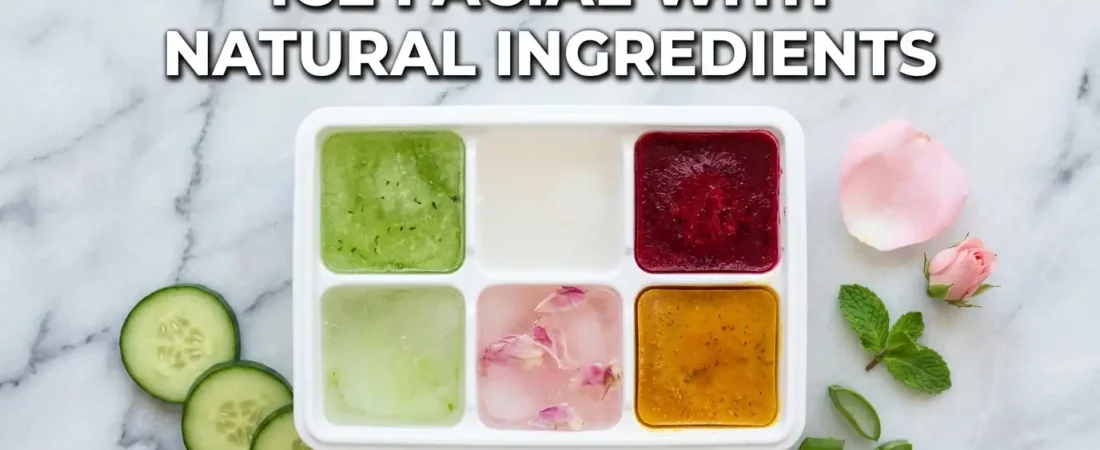
There is something deeply satisfying about a skincare ritual that costs almost nothing yet delivers results you can see within minutes. An ice facial with natural ingredients is exactly that kind of ritual, combining the cooling, depuffing power of ice with the targeted skin benefits of ingredients you likely already have in your kitchen. Instead of relying on a single frozen cube of plain water, this method freezes natural ingredients like cucumber, rice water, beetroot, aloe vera, rose, and turmeric into individual cubes, each one chosen for a specific skin benefit.
This approach has become especially popular because it merges two trends people already love: the simplicity of DIY skincare and the proven effectiveness of cold therapy on the skin. Rather than buying a separate product for brightening, another for soothing, and another for reducing puffiness, an ice facial lets you rotate through several natural ingredients using one simple method and a basic ice cube tray.
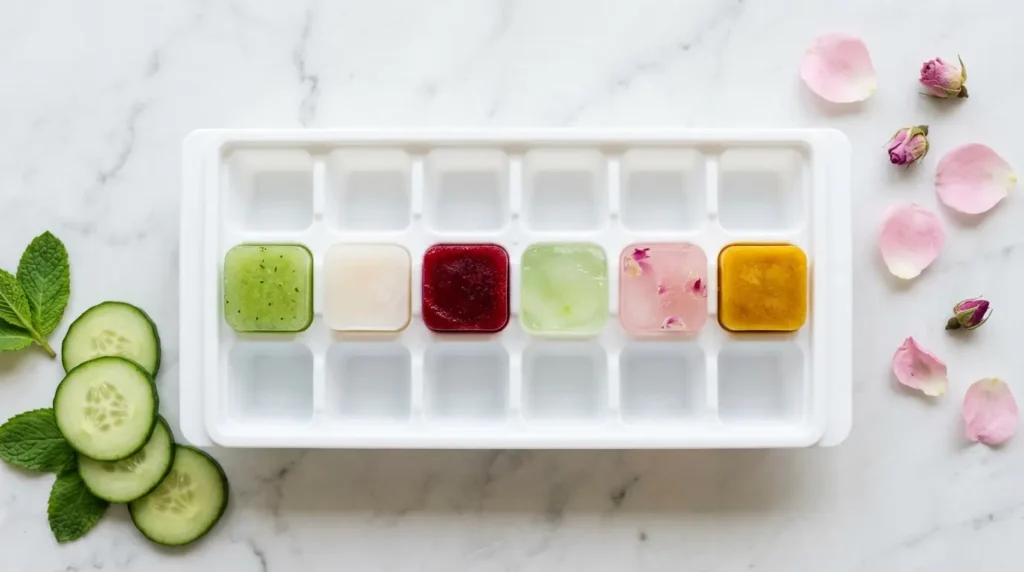
In this guide, we will cover exactly how to prepare an ice facial using six natural ingredients, what each one does for your skin, and how to use the cubes safely for the best results.
Table of Contents
Why Ice Facials Work
The core science behind any ice facial is the same principle behind ice rollers and cold compresses: cold temperatures cause vasoconstriction, a tightening of blood vessels near the surface of the skin. This temporarily reduces blood flow, which calms redness, minimizes the appearance of puffiness, and gives the skin a tighter, smoother look immediately after use.
When you freeze a natural ingredient into the ice cube rather than using plain water, you add a second layer of benefit. As the cube melts against your skin, it releases the active compounds from that ingredient directly onto the surface, allowing things like antioxidants, enzymes, and soothing compounds to be absorbed while the cold is simultaneously calming inflammation. This combination of cold therapy and natural active ingredients is what makes an ice facial more effective than ice alone.
Cucumber Reduces Puffiness and Soothes Skin
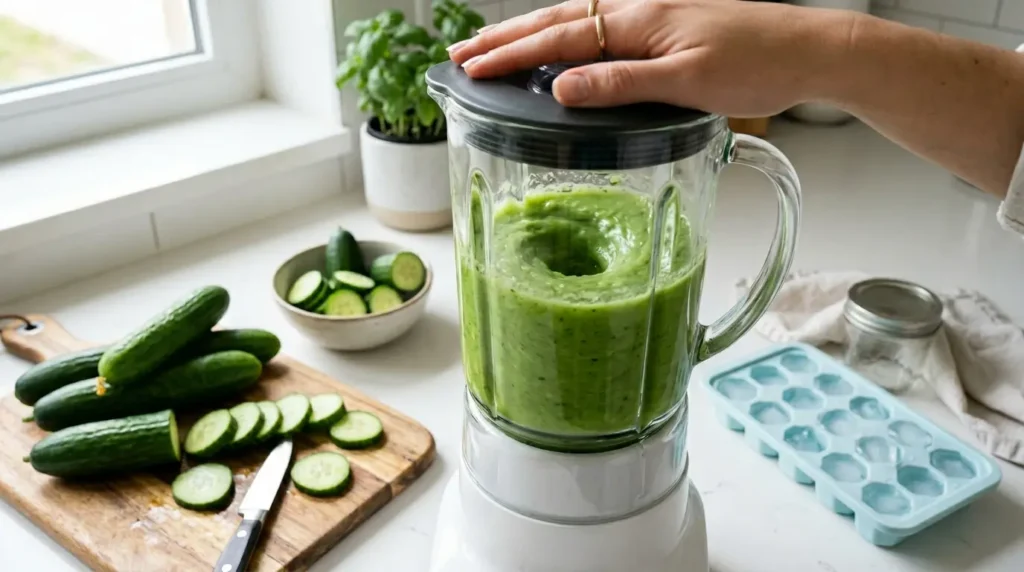
Cucumber is one of the most well-known natural ingredients for skincare, and for good reason. It is made up of roughly ninety-five percent water, which makes it naturally hydrating, while also containing antioxidants and a compound called cucurbitacin that has mild anti-inflammatory properties.
To prepare cucumber ice cubes, blend peeled cucumber into a smooth puree, strain out any large pulp if you prefer a cleaner texture, and pour the liquid into an ice cube tray. Once frozen, gently glide a cucumber cube across the under-eye area and cheeks to reduce puffiness and calm any redness, especially after a poor night of sleep or a long day in the sun.
Rice Water Brightens Complexion
Rice water has been used in traditional skincare routines for centuries, particularly across parts of Asia, where it is valued for its brightening and smoothing effects on the skin. It contains amino acids, vitamins, and antioxidants called ferulic acid that are believed to support a more even-looking skin tone over time.
To make rice water cubes, soak a half cup of uncooked rice in two cups of water for thirty minutes, then strain the liquid into your ice cube tray, discarding the rice itself. Once frozen, rub a rice water cube gently over the face in circular motions to help brighten dull-looking skin and support a smoother, more even complexion.
Beetroot Evens Skin Tone and Reduces Inflammation
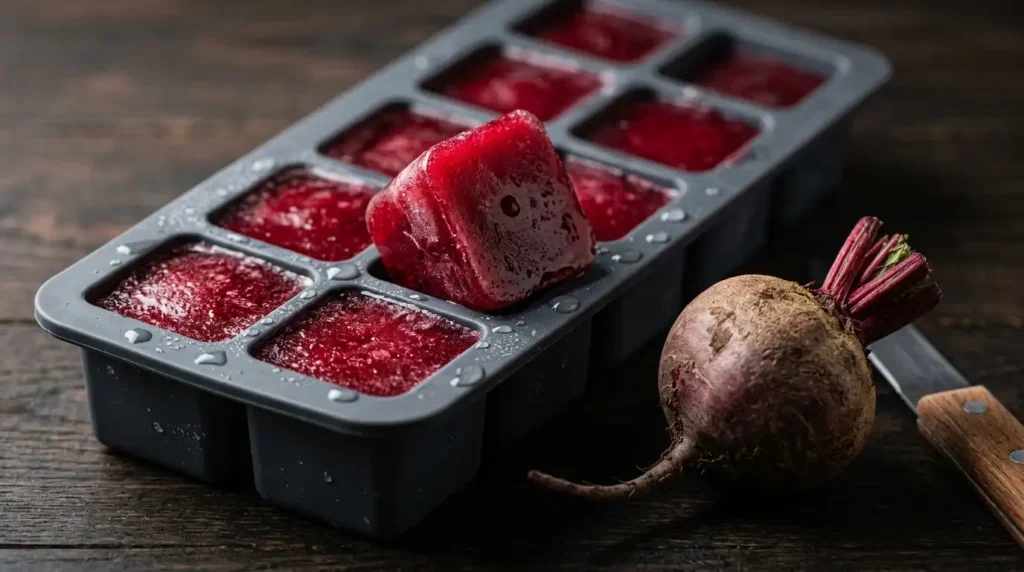
Beetroot is rich in betalains, natural pigments with strong antioxidant and anti-inflammatory properties, along with vitamin C, which supports a brighter, more even skin tone. Its naturally vibrant color also makes it a visually striking addition to an ice facial routine, though it is worth noting that beetroot can temporarily stain very fair skin, so a patch test is recommended before full use.
To prepare beetroot cubes, blend a small peeled beetroot with a few tablespoons of water until smooth, strain if needed, and freeze in your tray. Apply the cube to areas with uneven tone or mild redness, avoiding direct contact with the lips or any broken skin, since beetroot pigment can temporarily tint the skin if left on too long.
Aloe Vera Hydrates and Soothes Skin
Aloe vera is one of the most trusted natural ingredients for calming irritated or sensitive skin, thanks to its high water content and compounds that support hydration and soothe inflammation. It is commonly used after sun exposure for exactly this reason, and freezing it into an ice facial cube combines its soothing properties with the calming effect of cold therapy.
To make aloe vera cubes, scoop fresh aloe gel directly from the leaf, or use a pure, additive-free aloe vera gel if fresh leaves are not available, and freeze it directly in your ice cube tray without diluting. Glide an aloe vera cube gently across irritated or sun-exposed skin to provide a hydrating, soothing effect that calms redness almost immediately.
Rose Calms Redness and Irritation
Rose has long been associated with calming and soothing properties in traditional skincare, largely due to its mild anti-inflammatory compounds and pleasant aromatic qualities that also provide a sensory, spa-like element to the ice facial experience. Rose water in particular is gentle enough for most skin types, including sensitive skin prone to redness.
To prepare rose cubes, simply pour pure rose water into your ice cube tray and freeze. Once ready, apply a rose cube to areas prone to redness or sensitivity, allowing the gentle floral compounds combined with the cold temperature to calm the skin and reduce visible irritation.
Turmeric Brightens and Reduces Dark Spots
Turmeric contains curcumin, a powerful antioxidant and anti-inflammatory compound that has been studied for its potential to support a more even skin tone and reduce the appearance of dark spots over time. It has been used in skincare traditions for generations, often as part of brightening masks and treatments.
To make turmeric cubes, mix a small pinch of turmeric powder into water or plain yogurt for added hydration, then freeze the mixture in your ice cube tray. Because turmeric can temporarily stain the skin yellow if used in excess, it is best to use a very small amount and apply the cube briefly to dark spots or dull areas rather than the entire face, then rinse with water shortly after use.
How to Make an Ice Facial Tray at Home
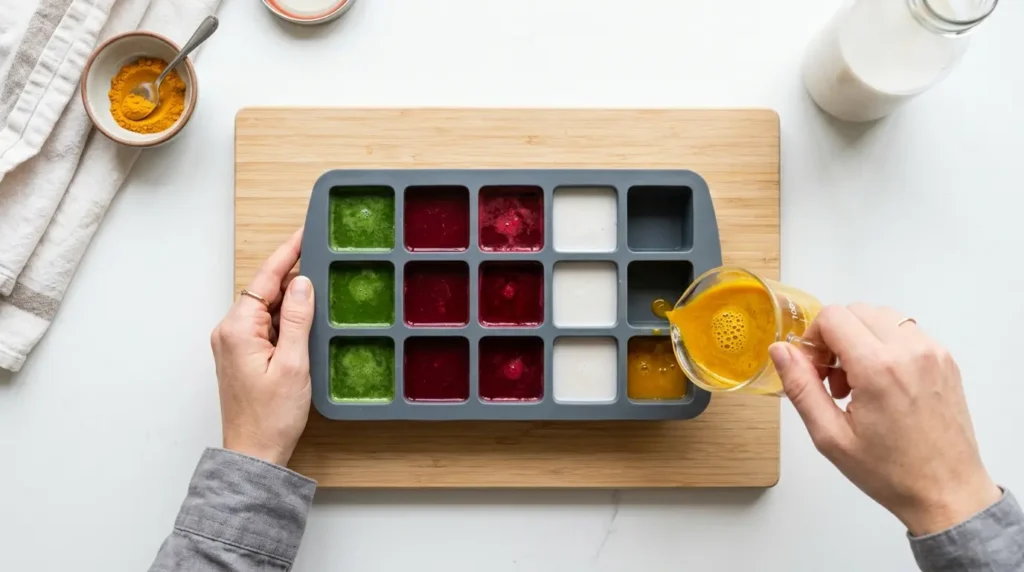
Creating a full ice facial tray with all six natural ingredients is simple and requires very little equipment. Start with a standard silicone ice cube tray, since silicone makes it easier to pop out the frozen cubes without breaking them. Prepare each ingredient separately, following the steps above, and pour each one into its own row or section of the tray so you can identify them once frozen.
Allow at least four hours for the cubes to freeze completely, though leaving them overnight ensures a fully solid texture. Once frozen, you can either use the cubes directly from the tray as needed or transfer them into a labeled freezer bag for longer storage and easier organization, especially if you are preparing multiple ingredients in a larger batch.
How to Use Ice Facial Cubes Properly
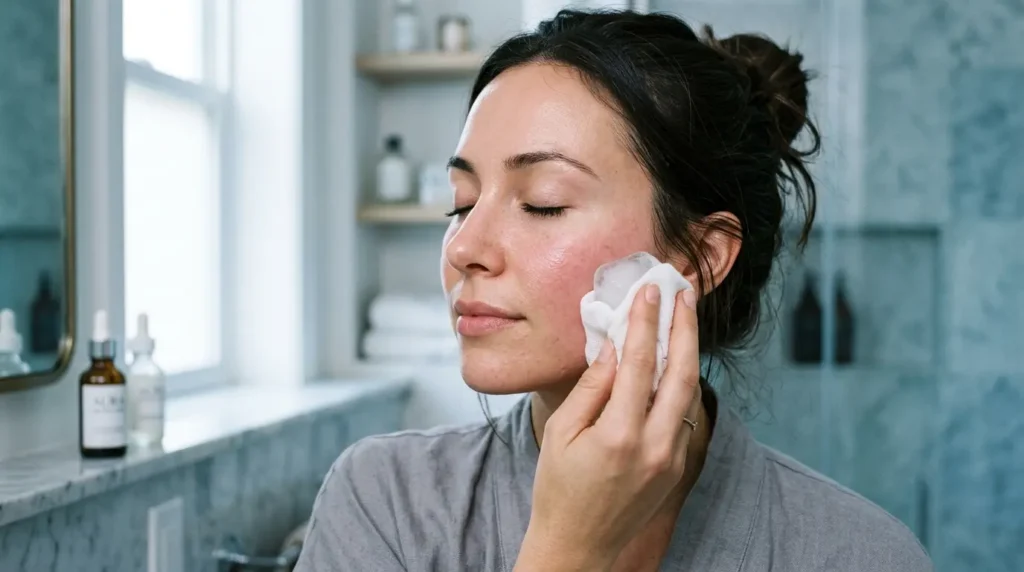
To get the most benefit from your ice facial cubes while protecting your skin, follow a few simple guidelines. Always wrap the ice cube in a thin cloth or paper towel rather than applying it directly to bare skin for extended periods, since direct prolonged contact with ice can cause cold burn or irritation in sensitive individuals.
Move the cube in gentle, circular motions across the face, spending no more than a few seconds in any single spot. Limit each session to five minutes total, and avoid going over the same area repeatedly within one session. Always perform a patch test on a small area of skin, such as the inner wrist, before trying a new ingredient for the first time, especially with ingredients like turmeric and beetroot that have a higher chance of causing a reaction in sensitive skin types.
Combining Ingredients for Targeted Concerns
While each ingredient works well on its own, some people prefer to combine two complementary ingredients into a single cube for a more targeted effect. Cucumber and aloe vera blend well together for an extra-hydrating, soothing cube ideal for sensitive or sun-exposed skin, since both ingredients share a calming, water-rich base.
Rice water and rose water can also be combined for a brightening cube with a more pleasant scent, which some people prefer for an evening routine where the calming aroma adds to the relaxing experience. When combining ingredients, it is best to mix them in roughly equal parts and still patch test the new combination before applying it to the full face, since combining two active ingredients can sometimes produce a different skin response than either one used alone.
It is generally not recommended to combine more than two active ingredients in a single cube, since this makes it harder to identify which ingredient might be responsible if any irritation occurs, and it can also dilute the concentration of each individual ingredient’s benefits.
Storing and Organizing Your Ice Facial Cubes
Proper storage keeps your ice facial cubes fresh and easy to use throughout the week. Once frozen solid, transfer the cubes from the tray into labeled freezer-safe bags, marking each bag with the ingredient name and the date it was made, since natural ingredient cubes are best used within two to three weeks for maximum freshness and potency.
Keeping separate bags for each ingredient, rather than mixing them all into one container, makes it much easier to grab exactly the cube you need based on how your skin feels that day. If you notice any unusual smell, discoloration, or freezer burn on a cube, it is best to discard that batch and prepare a fresh one rather than risk applying a degraded ingredient to your skin.
Many people find it convenient to prepare a fresh batch every two weeks, making just enough of each ingredient to fill one or two trays, which keeps the rotation fresh without requiring large amounts of prep work at any single time.
Best Time to Use an Ice Facial
Many people find that using an ice facial in the morning provides the most noticeable benefit, since it helps reduce overnight puffiness and creates a smoother base before applying makeup or sunscreen. Others prefer using it in the evening after cleansing, as a calming way to wind down the skin after a long day of sun exposure, pollution, or makeup wear.
There is no single correct time to use an ice facial, and many people incorporate it into both their morning and evening routines depending on how their skin feels that day. The flexibility of the method is part of what makes it such an easy addition to an existing skincare routine.
Who Should Be Cautious With Ice Facials
While natural ingredient ice facials are generally gentle, certain people should take extra care. Anyone with rosacea, eczema, or another condition involving highly reactive skin should introduce new ingredients one at a time and watch closely for any signs of irritation. Pregnant individuals or those with known sensitivities to specific ingredients like turmeric should consult a dermatologist before adding new natural ingredients to their skincare routine.
As with any natural remedy, individual skin reactions can vary, so starting slowly with one ingredient at a time rather than combining several new cubes in a single session is the safest approach, especially during the first few uses.
Final Thoughts
An ice facial with natural ingredients combines two of the most effective and accessible approaches in skincare: the proven calming power of cold therapy and the targeted benefits of real, natural ingredients. Whether you are reaching for cucumber to depuff tired eyes, rice water to brighten dull skin, or turmeric to fade dark spots, this simple at-home method offers a customizable, low-cost way to support healthier-looking skin using ingredients you likely already have on hand. With just a little preparation, you can build your own rotation of ice facial cubes and enjoy the benefits of a spa-quality treatment from the comfort of your own kitchen.

Sheikh Hassaan is a digital architect for small businesses and the founder of The Glow Up System. He writes about home decor, garden design, and outdoor living for real American homes – practical ideas that work in actual spaces without oversized budgets.