
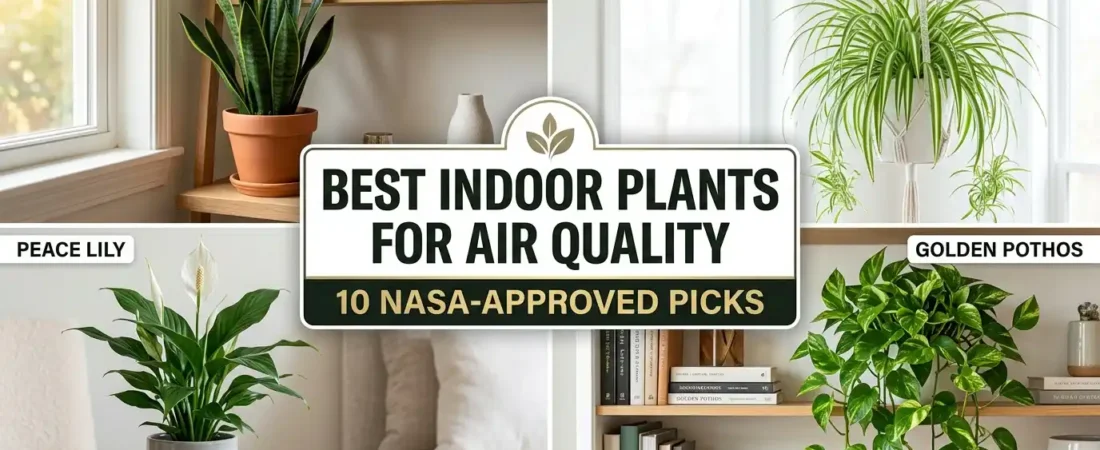
Did you know the air inside your home can be more polluted than the air outside? Everyday items like furniture, paint, carpets, and even cleaning products release volatile organic compounds (VOCs) such as formaldehyde, benzene, and trichloroethylene into the air we breathe. The good news is that nature offers a simple, beautiful solution: houseplants. The best indoor plants for air quality act as natural air filters, absorbing these pollutants and releasing fresh oxygen.
This guide covers ten of the best air-purifying plants, many of which were highlighted in the famous NASA Clean Air Study for their ability to remove toxins and improve the air you breathe. We’ve included essential care tips to help them thrive indoors.
Table of Contents
Why Your Indoor Air Needs Help
Most people spend up to 90% of their time indoors, where concentrations of pollutants can be two to five times higher than outdoors. These invisible toxins come from common sources like paints, adhesives, furniture, carpets, and synthetic materials. Over time, exposure to these chemicals can contribute to headaches, respiratory issues, and other health problems.
One of the most famous studies on this subject was NASA’s Clean Air Study, which was conducted in 1989 to find ways to purify the air in space stations. The researchers discovered that common houseplants are effective at absorbing harmful VOCs and converting them into harmless byproducts. This breakthrough has led to a greater appreciation for plants as a natural and sustainable complement to improving indoor air quality. While plants alone may not completely replace an air purifier, creating what some call a “green lung” in your home can significantly support your overall wellness.
1. Snake Plant: The Bedroom Oxygen Booster
✦ Best for: Bedrooms and low-light corners where you want a low-maintenance air purifier
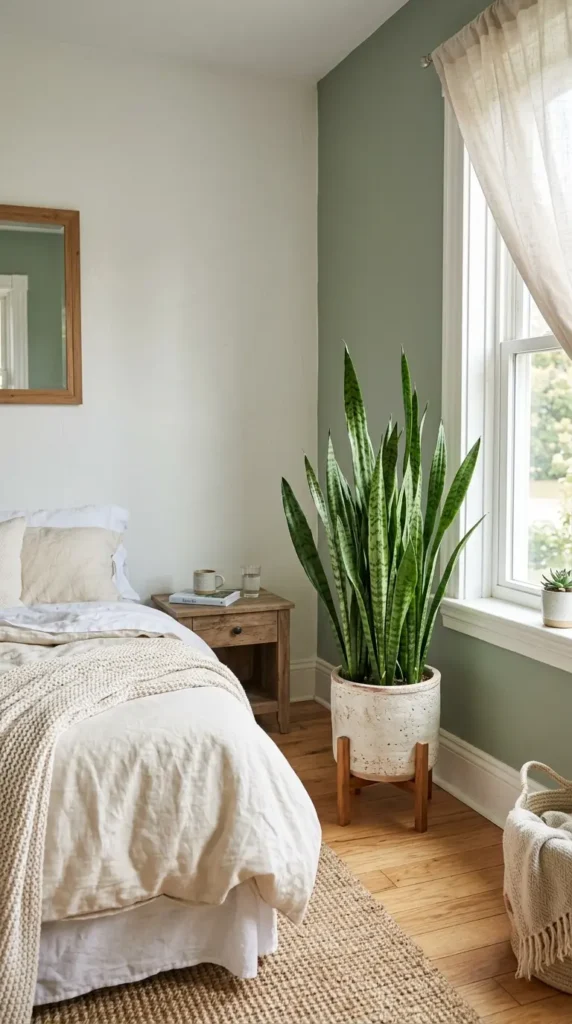
The snake plant is one of the most recommended plants for improving indoor air quality. It is celebrated for its hardiness and exceptional ability to remove toxins like formaldehyde, benzene, and xylene. What makes it truly unique is its ability to convert carbon dioxide into oxygen at night, making it a perfect choice for bedrooms to promote better sleep.
Care Tips: Snake plants are incredibly low-maintenance. They tolerate low light and infrequent watering, making them perfect for beginners or anyone who tends to forget about their plants. Water only when the soil has completely dried out.
2. Peace Lily: The Toxin-Absorbing Bloomer
✦ Best for: Low-light rooms where you want a flowering plant that thrives in shade
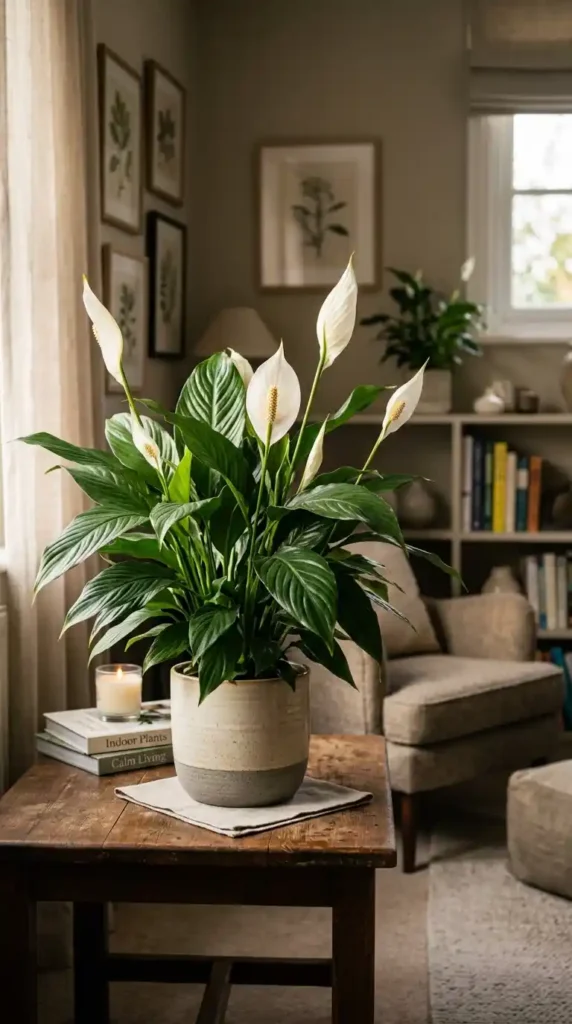
The peace lily is an elegant and versatile air purifier that survives in shade and produces white blooms year-round. It is a champion at removing ammonia, benzene, formaldehyde, and trichloroethylene from the air. Peace lilies are also known for their ability to boost humidity, which can be beneficial for respiratory health.
Care Tips: Peace lilies thrive in low to medium, indirect light. They are easy to care for and signal when they need water by drooping their leaves, making them a great indicator plant for beginners. Keep the soil consistently moist but not waterlogged.
3. Spider Plant: The Fast-Growing Favorite
✦ Best for: Hanging baskets and easy-care displays that are also pet-friendly
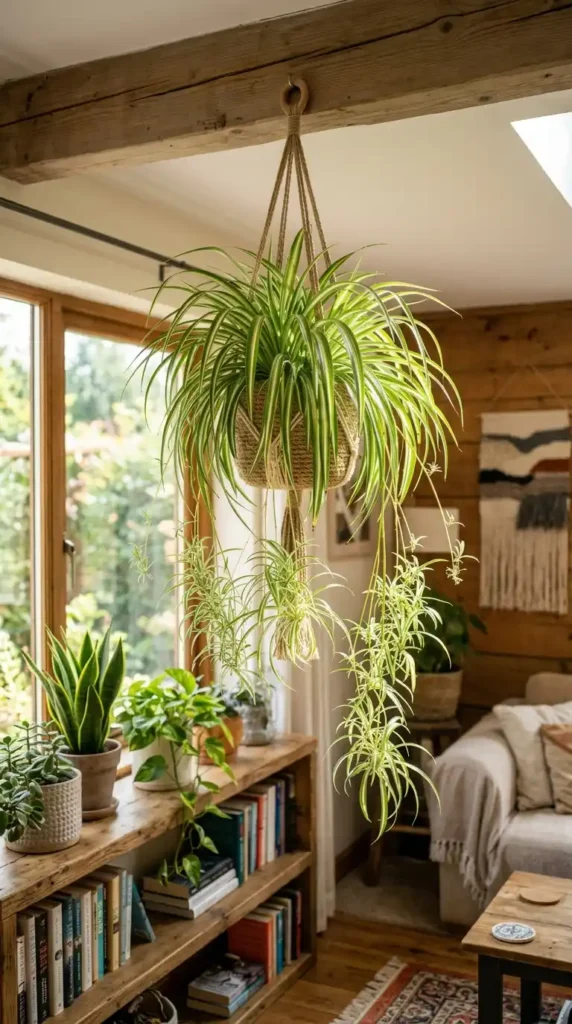
The spider plant is a classic, fast-growing favorite known for its ability to remove pollutants like formaldehyde and xylene. It was also recognized in recent research for its ability to reduce particulate matter, specifically PM2.5, from the air. A major bonus is that it is non-toxic to pets, making it a worry-free choice for households with cats and dogs.
Care Tips: Spider plants are easy to grow and thrive in bright, indirect light. They can tolerate lower light and do not need much water to survive, making them great for beginners. Keep the soil slightly moist, allowing it to dry out between waterings.
4. Aloe Vera: The Healing Succulent
✦ Best for: Bright windowsills where you want a plant that purifies and provides medicinal benefits
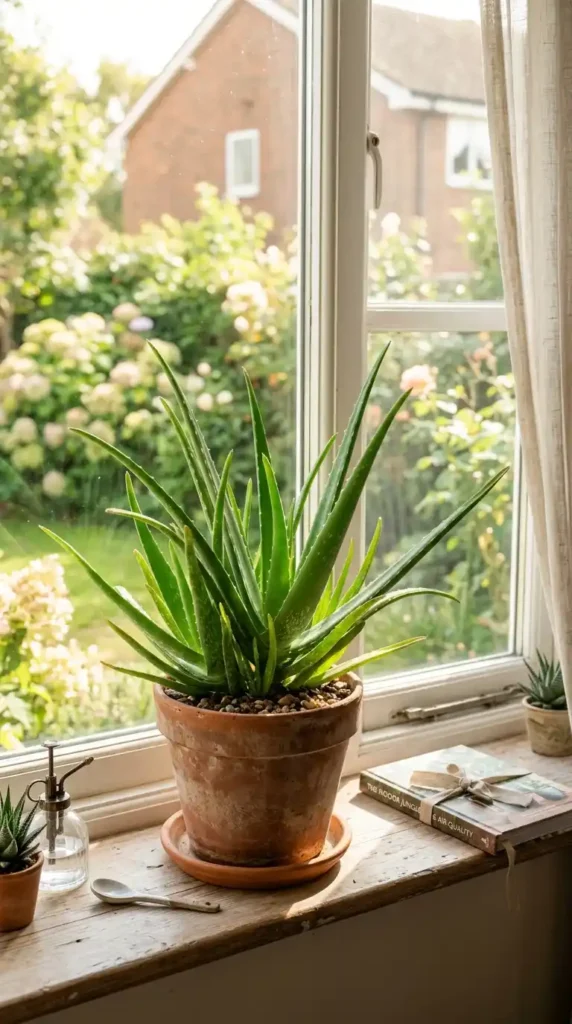
Aloe vera is a versatile succulent renowned for its healing qualities, but it also offers fantastic air-purifying benefits. It helps filter harmful compounds like formaldehyde and benzene from the air. Like the snake plant, aloe vera releases oxygen at night, contributing to a healthier environment while you sleep.
Care Tips: Aloe vera thrives in bright, indirect light. Water deeply but infrequently, allowing the soil to dry out completely between waterings. As a bonus, its soothing gel can be used to treat sunburn and minor cuts.
5. Boston Fern: The Humidity-Enhancing Natural Filter
✦ Best for: Bathrooms and humid spaces where other plants might struggle
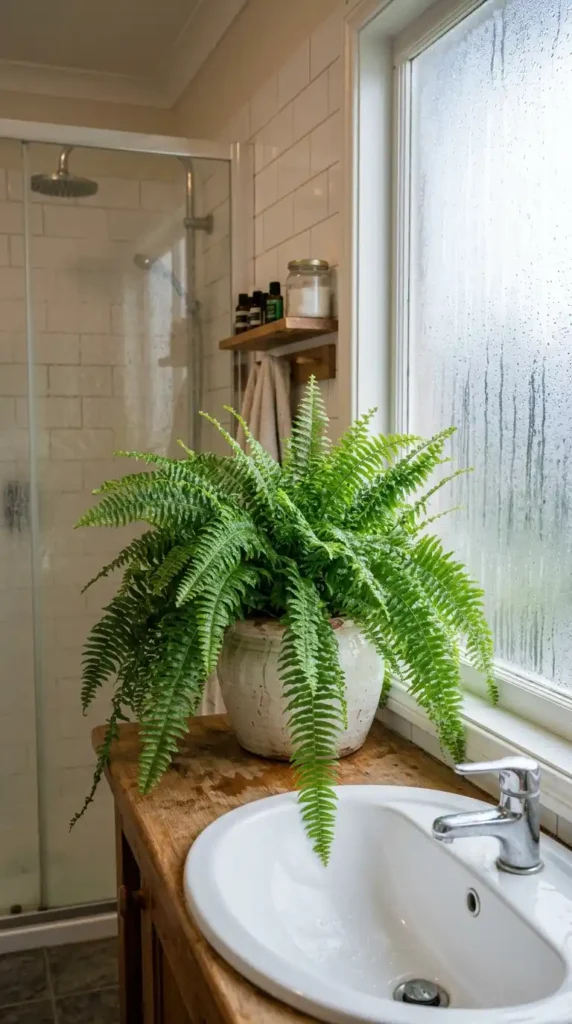
The Boston fern is not just a beautiful, old-fashioned favorite; it is a powerful air purifier. It is highly effective at removing pollutants like formaldehyde and xylene. It also acts as a natural humidifier, adding moisture to dry indoor air, which can be beneficial for respiratory health.
Care Tips: Boston ferns love humidity and indirect light. They require more attention than some plants, needing consistently moist soil and regular misting of their fronds, making them a great choice for bathrooms where they thrive.
6. Golden Pothos: The Unkillable Air Cleaner
✦ Best for: Any room where you want an easy-care, trailing vine that can tolerate neglect
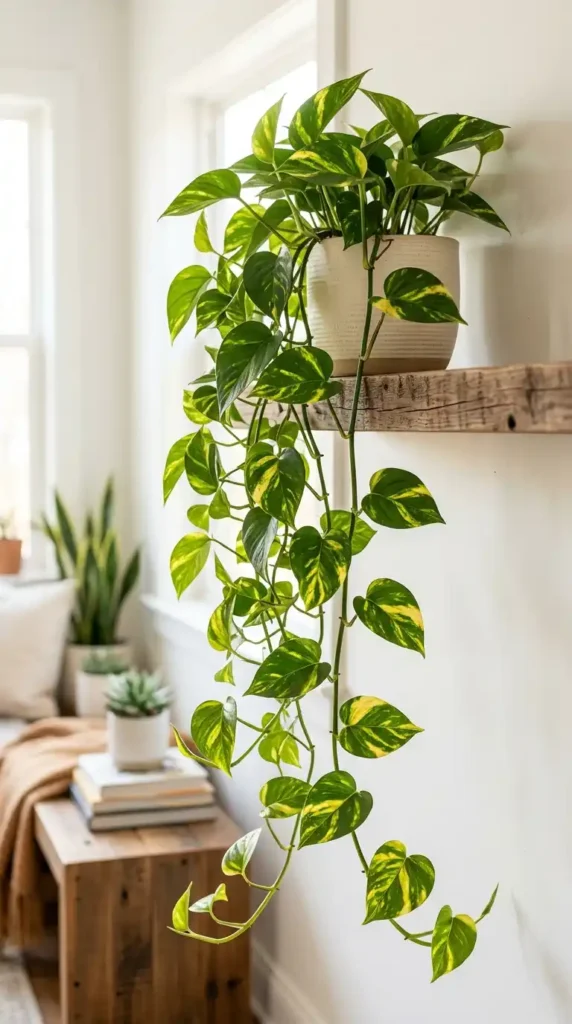
Golden pothos, also known as devil’s ivy, is renowned for being practically unkillable. It is also a champion at removing harmful toxins like benzene, formaldehyde, and xylene from the air. Recent research identified pothos as one of the top plants for reducing PM2.5, a fine particulate matter that can cause respiratory issues.
Care Tips: Pothos thrives in low to bright, indirect light and can be grown in soil or water. Allow the soil to dry out between waterings, making it a perfect choice for busy plant parents.
7. Areca Palm: The Natural Humidifier
✦ Best for: Bright, spacious rooms where you want to add humidity and a tropical feel
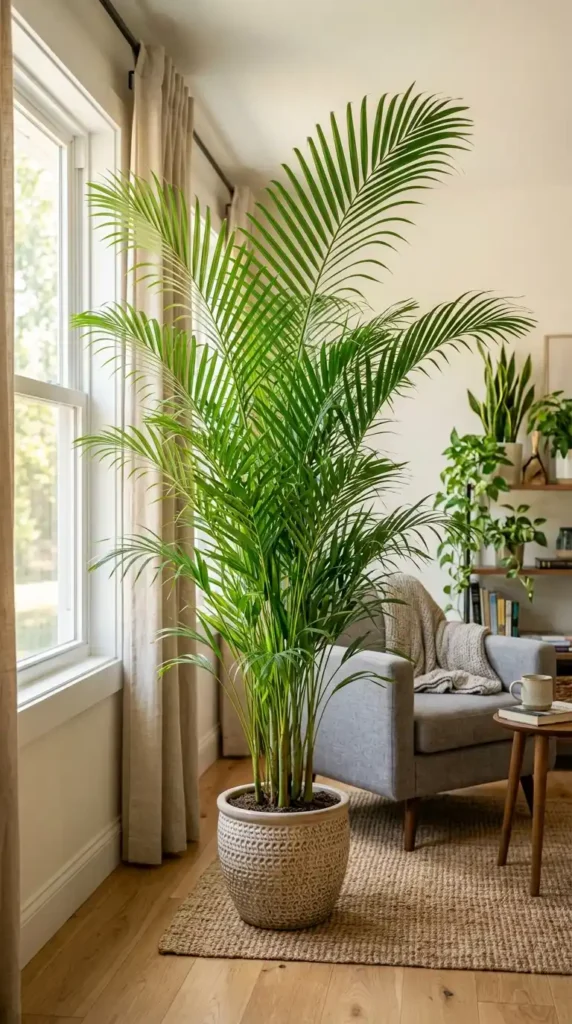
The Areca palm is a beautiful indoor plant that acts as an effective natural humidifier and air purifier. It is excellent at removing airborne toxins like formaldehyde and xylene, and by releasing moisture into the air, it can help soothe dry skin and respiratory irritation.
Care Tips: Areca palms prefer bright, indirect light. Keep the soil consistently moist, but avoid overwatering. Their lush tropical appearance makes them a stunning addition to any room.
8. Dracaena: The Low-Maintenance Toxin Filter
✦ Best for: Low-light areas where you need a low-maintenance plant that targets a wide range of toxins
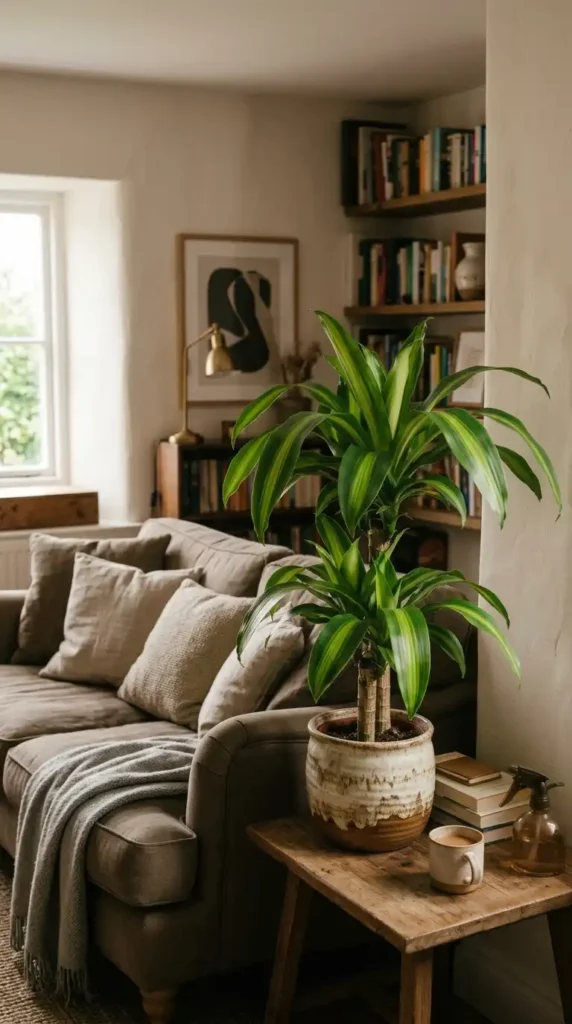
Dracaenas are a large group of plants (including the corn plant and Janet Craig) that are highly effective at filtering a wide range of pollutants. They work to remove toxins like benzene, formaldehyde, trichloroethylene, and xylene from the air. Recent studies have also highlighted their ability to remove benzene in indoor environments.
Care Tips: Dracaenas are low-maintenance and can thrive in low to bright, indirect light. Allow the soil to dry out slightly between waterings.
9. Rubber Plant: The Large-Leaf Filter
✦ Best for: Making a statement in any room while filtering out airborne toxins
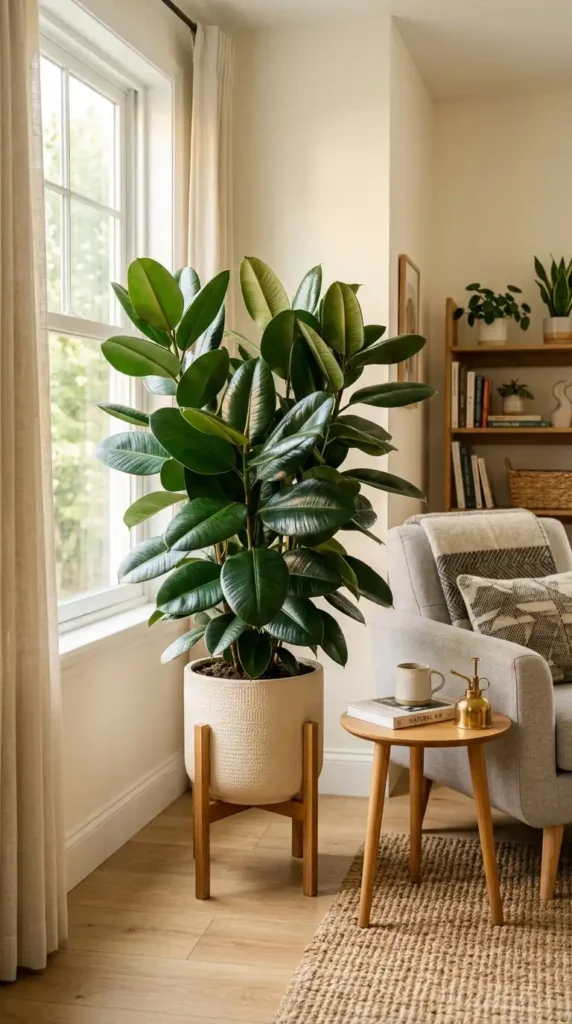
The rubber plant is a popular choice for its large, glossy leaves and impressive air-purifying capabilities. It is particularly effective at removing formaldehyde from the air, making it a great choice for a living room or study. They thrive for decades with proper care.
Care Tips: Rubber plants prefer bright, indirect light. Keep the soil moist but not soggy, allowing it to dry out slightly between waterings.
10. English Ivy: The Mold Spore Reducer
✦ Best for: Reducing airborne mold spores in homes with moisture issues
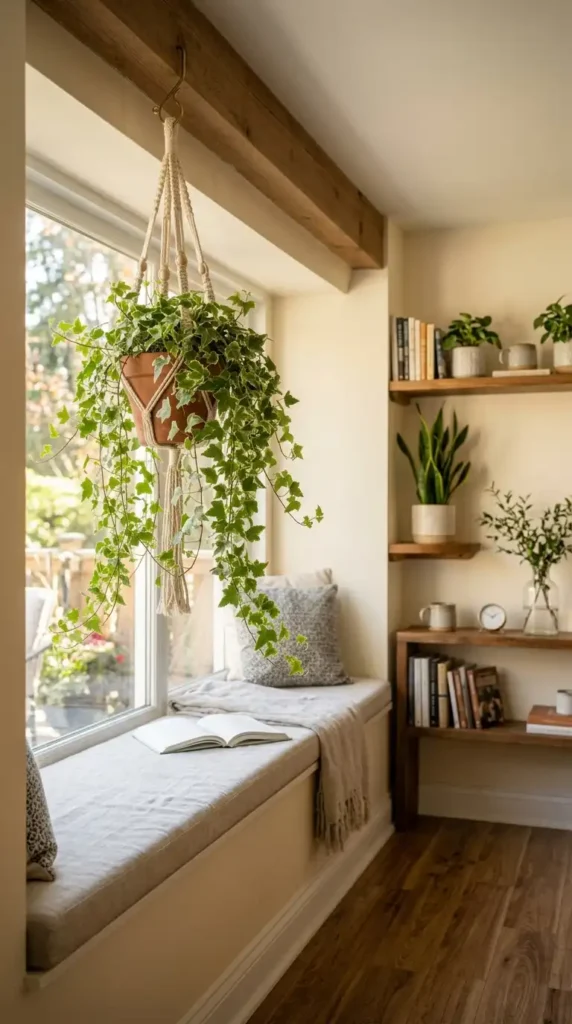
English ivy is a versatile, low-maintenance plant known for its ability to reduce airborne mold. It also works to filter out toxins like benzene, formaldehyde, and trichloroethylene, improving overall indoor air quality.
Care Tips: English ivy is easy to care for and looks beautiful in hanging baskets or on shelves. Give it bright, indirect light and water when the top inch of soil feels dry.
How Many Plants Do You Need?
While the NASA Clean Air Study demonstrated that houseplants absorb VOCs in sealed chambers, it is important to note that a single plant will not solve all your air quality problems. To make a meaningful impact in a normally ventilated home, you would need a significant number of plants.
However, the benefits of houseplants extend beyond just filtering VOCs. They also:
- Increase humidity, which soothes dry airways and skin.
- Absorb carbon dioxide and release oxygen.
- Provide stress relief and improve mental well-being.
Think of them as one part of a holistic approach to creating a healthier home environment, alongside good ventilation and reducing the use of chemical products.
Frequently Asked Questions About Best Indoor Plants for Air Quality
1. What are the best indoor plants for air quality?
The best indoor plants for air quality include snake plants, peace lilies, spider plants, aloe vera, Boston ferns, golden pothos, areca palms, dracaenas, rubber plants, and English ivy. These plants are known for their ability to filter pollutants like formaldehyde, benzene, and xylene.
2. How many plants do I need to improve air quality?
Estimates suggest you would need 100 to 1,000 plants per 100 square meters to have a measurable effect on VOC levels in a normally ventilated room. However, even a few plants can increase humidity, reduce stress, and contribute to a sense of well-being.
3. What is the NASA Clean Air Study?
The NASA Clean Air Study was a 1989 study that researched how to clean air in space stations. It discovered that common houseplants absorb and break down harmful indoor pollutants like benzene, formaldehyde, and trichloroethylene.
4. Can indoor plants reduce mold?
Yes, certain plants like English ivy and peace lilies are known to absorb mold spores, improving air quality in damp or humid environments.
Related Articles
Best Garden Hose: 7 Top Picks for Every Yard
The Best Low Light Indoor Plants for a Greener Home
13 Cozy Backyard Shed Ideas For Summer
20 Creative Garden Rock Art Ideas
Houseplants do more than just look good; they actively work to purify the air you breathe. By choosing the best indoor plants for air quality, you can create a healthier, more vibrant home for you and your family.

Sheikh Hassaan is a digital architect for small businesses and the founder of The Glow Up System. He writes about home decor, garden design, and outdoor living for real American homes – practical ideas that work in actual spaces without oversized budgets.