
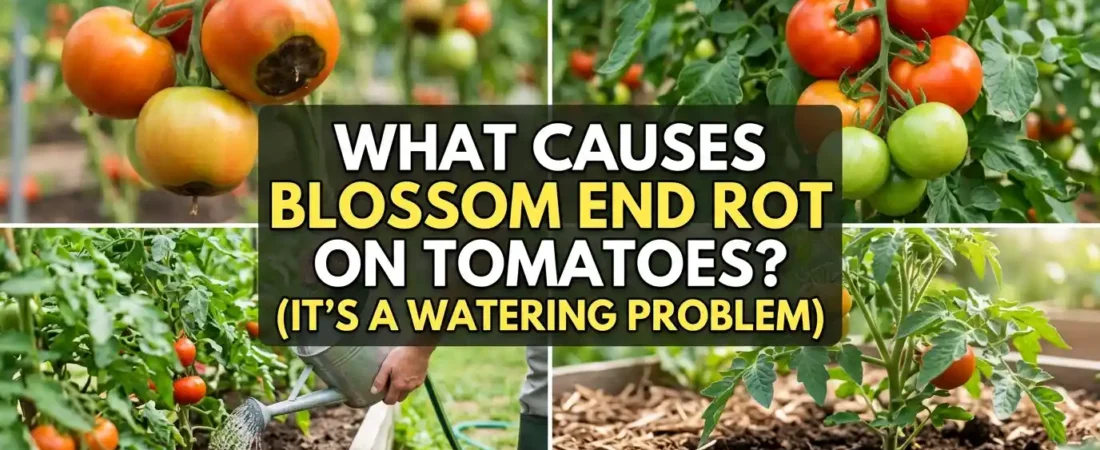
There is nothing more disappointing for a gardener than watching your tomato plants thrive, only to discover a black, sunken patch on the bottom of your fruit. You have watered them, fed them, and protected them from pests. Then, just as they are ripening, you flip one over and find that ugly, leathery spot. That is blossom end rot, and it is one of the most common tomato problems in home gardens.
The good news is that blossom end rot is not a disease, and it is not permanent. It is a physiological disorder caused by a calcium deficiency in the developing fruit. But here is the crucial part: the deficiency is almost always caused by inconsistent watering, not by a lack of calcium in the soil. In this article, we will explain exactly what causes blossom end rot, how to fix it, and how to prevent it from ruining your tomato harvest next year.
Table of Contents
What Does Blossom End Rot Look Like?
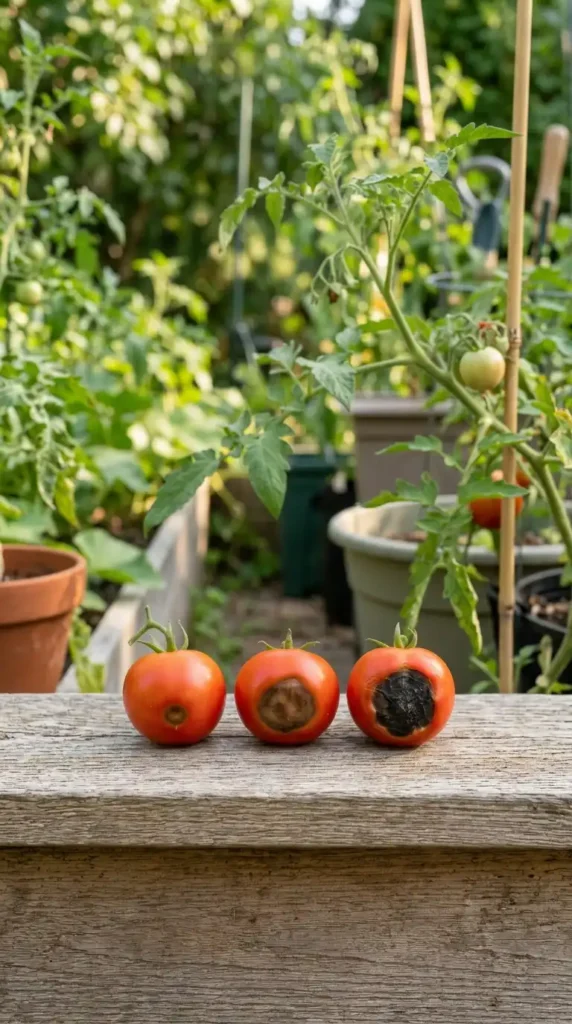
Blossom end rot is easy to identify once you know what to look for. It typically appears on the bottom (blossom end) of the tomato fruit, often when the fruit is about half to two-thirds of its mature size. The first sign is a small, water-soaked spot that looks like a wet patch on the skin. Over time, this spot enlarges and darkens, becoming a brown or black, sunken, leathery patch.
The affected area may also start to rot, becoming mushy and inviting secondary infections. In severe cases, the entire bottom of the fruit can become black and crusty, making the tomato inedible. The top of the tomato may look perfectly fine, which is why many gardeners do not notice the problem until they harvest their fruit.
While tomatoes are the most common victim, blossom end rot can also affect peppers, eggplants, squash, cucumbers, and melons. The symptoms are similar across all these plants.
The Real Cause: Calcium Deficiency, Not a Disease
Many gardeners mistakenly believe that blossom end rot is a disease or a pest problem. It is neither. Blossom end rot is a physiological disorder caused by a calcium deficiency in the developing fruit. Calcium is an essential nutrient for plants. It plays a critical role in cell wall structure, cell division, and overall plant health. When a developing fruit does not receive enough calcium, the cells in the blossom end start to break down, leading to the characteristic rot.
Calcium is primarily transported through the plant via water. It moves from the roots, through the xylem, and into the leaves and fruit. However, calcium is not a mobile nutrient. Once it is deposited in a leaf, it stays there. It cannot be easily redistributed to other parts of the plant. This immobility means that the developing fruit must receive a steady supply of calcium directly from the soil through the roots.
Here is the crucial point: a calcium deficiency at the fruit level usually does not mean your soil is lacking calcium. Most garden soils have plenty of calcium. The problem is that the plant is unable to move the calcium from the soil to the fruit. The culprit is almost always inconsistent watering.
Why Inconsistent Watering Is the Number One Cause
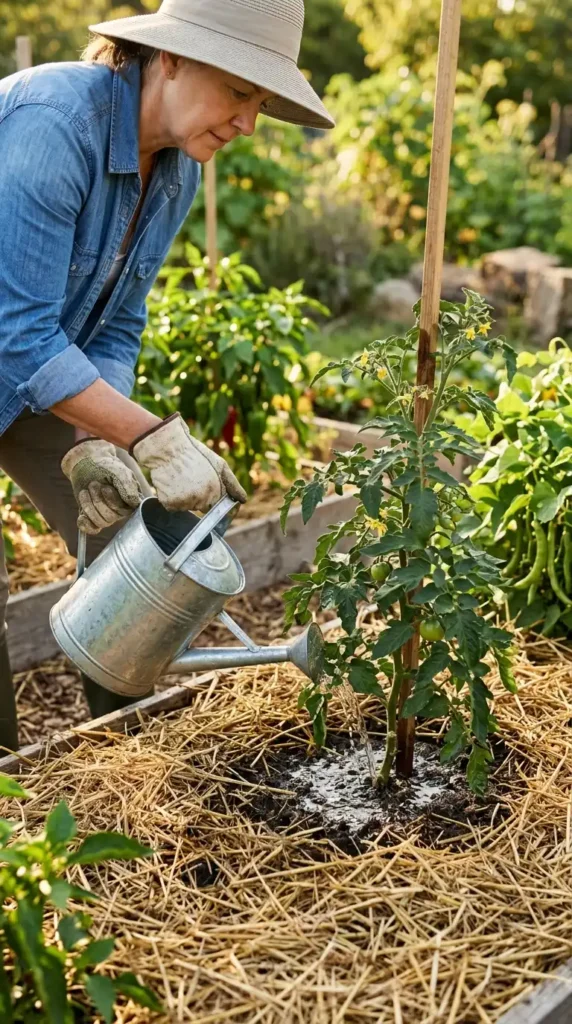
Water is the vehicle that carries calcium from the soil into the plant. Without consistent moisture, calcium cannot be absorbed by the roots and transported to the developing fruit. When the soil is too dry, the plant cannot take up water, and calcium transport stalls. When the soil is waterlogged, the roots are starved of oxygen, which also inhibits water and nutrient uptake.
Fluctuating soil moisture, alternating between bone dry and completely saturated, is the biggest contributor to blossom end rot. This is especially common in hot climates where soil dries out quickly, or in gardens that rely on irregular watering schedules. Container gardens are particularly vulnerable because pots dry out much faster than garden beds.
When moisture levels fluctuate, the plant cannot maintain a steady flow of calcium to the fruit. The result is blossom end rot on the tomatoes that are actively developing at that time.
Other Contributing Factors
While inconsistent watering is the primary cause, several other factors can increase the risk of blossom end rot.
- Excess Nitrogen: Applying too much nitrogen fertilizer, especially in the form of ammonia, can promote rapid vegetative growth. The plant puts all its energy into leaves and stems, competing with the fruit for calcium.
- Root Damage: Damaged roots from cultivation, transplant shock, or pest activity can reduce the plant’s ability to absorb water and nutrients, including calcium.
- Soil pH Imbalance: If your soil is highly acidic or highly alkaline, calcium may be present but not available to the plant. The ideal soil pH for tomatoes is between 6.0 and 6.8.
- Drought Stress: During periods of drought, the plant conserves water by closing its stomata. This reduces transpiration, which in turn reduces calcium uptake.
- Salty Soil or Water: High salt levels in the soil or irrigation water can interfere with calcium absorption.
How to Fix Blossom End Rot
If you already have blossom end rot on your tomatoes, you cannot reverse the damage on the affected fruit. The brown, leathery patches will not heal. However, you can take immediate steps to prevent it from ruining the rest of your harvest.
1. Adjust Your Watering Routine
The most effective fix is to get your watering under control. Water your tomatoes consistently, providing about 1 to 1.5 inches of water per week during the growing season. In hot, dry weather, you may need to water more frequently. The goal is to keep the soil evenly moist, not waterlogged.
Water deeply, allowing moisture to penetrate several inches into the soil. This encourages deep root growth and helps the plant withstand dry spells. Avoid frequent, shallow watering, which only wets the surface and promotes shallow roots.
2. Apply Mulch
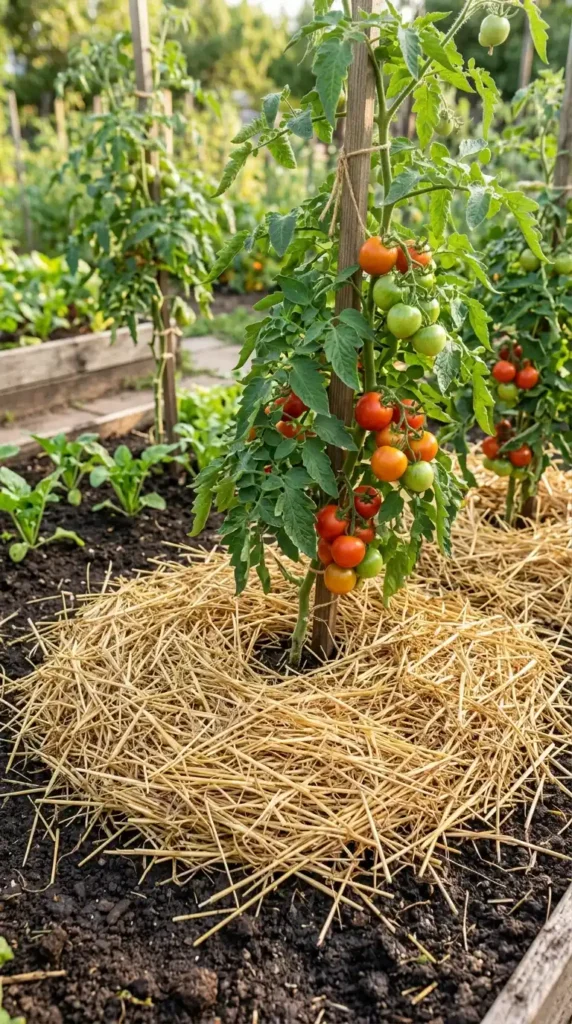
Mulch is a game-changer for preventing blossom end rot. A thick layer of organic mulch around the base of your tomato plants helps retain soil moisture, prevents the soil from drying out too quickly, and keeps the roots cool. Use materials like straw, shredded leaves, or grass clippings.
3. Check Container Plants
If you are growing tomatoes in containers, you will need to water them more frequently than garden beds. Pots dry out much faster, especially in hot weather. Check the soil daily and water when the top inch feels dry. Ensure your pots have drainage holes to prevent waterlogging.
4. Remove Affected Fruit
Remove the tomatoes that already have blossom end rot. The affected fruit will not recover, and leaving it on the plant only wastes energy that could be used to produce healthy fruit. Dispose of the affected fruit, and do not compost it, as this can spread diseases.
How to Prevent Blossom End Rot for Good
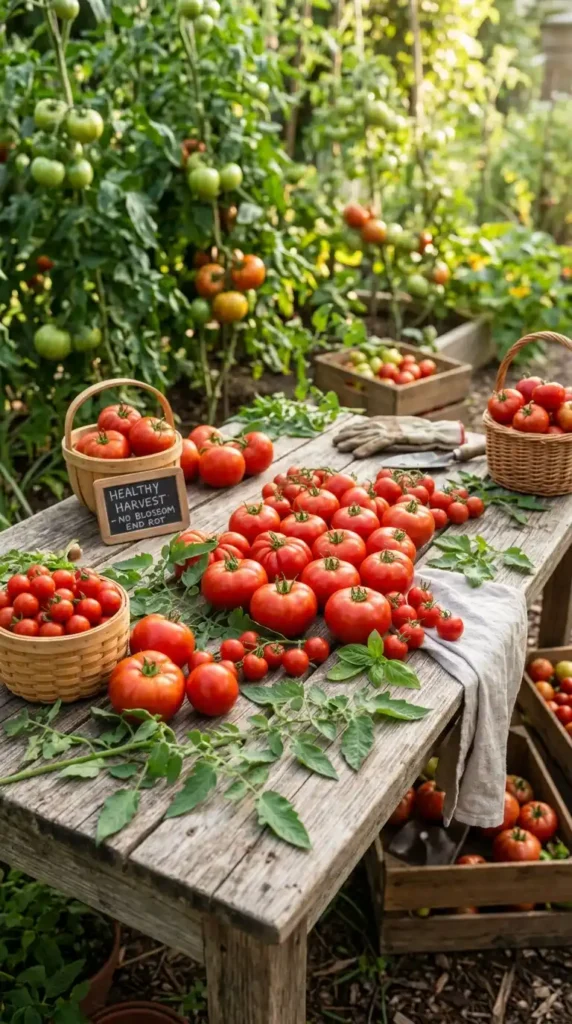
Prevention is much easier than cure. By following these practices, you can avoid blossom end rot in your garden entirely.
1. Maintain Consistent Soil Moisture
This is the most important step. Stick to a regular watering schedule, and adjust it based on weather conditions. Water deeply and less frequently rather than shallowly and often. Use a rain gauge to measure rainfall and supplement with irrigation when needed.
2. Mulch, Mulch, Mulch
A layer of organic mulch is your best defense against soil moisture fluctuation. It also suppresses weeds, which compete with your plants for water and nutrients.
3. Choose Appropriate Varieties
Some tomato varieties are more prone to blossom end rot than others. Paste tomatoes and Roma tomatoes are particularly susceptible. If you have a history of blossom end rot, choose resistant varieties, or try growing cherry or grape tomatoes, which are less prone to the problem.
4. Avoid Over-Fertilizing
Test your soil to determine its nutrient needs. Avoid using high-nitrogen fertilizers that promote leaf growth at the expense of fruit development. Instead, use a balanced fertilizer or one formulated for tomatoes.
5. Water Container Plants Regularly
Container plants dry out quickly, so pay extra attention to them. Consider using self-watering containers or adding water-absorbing crystals to the potting mix to help maintain consistent moisture.
6. Lime the Soil Carefully
If your soil test shows a calcium deficiency, you can add agricultural lime or gypsum to the soil. However, this is rarely necessary in most gardens. The key is to incorporate the lime well before planting, as it takes time to break down and become available to plants.
Frequently Asked Questions About Blossom End Rot
1. Is blossom end rot a disease?
No, blossom end rot is not a disease. It is a physiological disorder caused by a calcium deficiency in the developing fruit. It cannot spread from plant to plant.
2. Do I need to add calcium to my soil?
Probably not. Most garden soils have plenty of calcium. Adding more calcium will not help if inconsistent watering is the underlying problem. Focus on consistent watering first.
3. Should I pick the affected tomatoes?
Yes, remove the affected fruit so the plant does not waste energy on it. The tomato will not recover, and leaving it can encourage secondary infections.
4. Will blossom end rot affect all my tomatoes?
Not necessarily. It typically affects the first set of fruit that develops. Once you address the watering issue, later fruit is often unaffected.
5. Can blossom end rot be prevented?
Yes, consistent watering is the key. Mulch around plants, water deeply and regularly, and avoid over-fertilizing.
6. Does blossom end rot affect other vegetables?
Yes, blossom end rot can also affect peppers, eggplants, squash, cucumbers, and melons.
Blossom end rot is preventable. Consistent watering is the key to growing perfect tomatoes. Focus on steady moisture, and your harvest will thank you.

Sheikh Hassaan is a digital architect for small businesses and the founder of The Glow Up System. He writes about home decor, garden design, and outdoor living for real American homes – practical ideas that work in actual spaces without oversized budgets.