
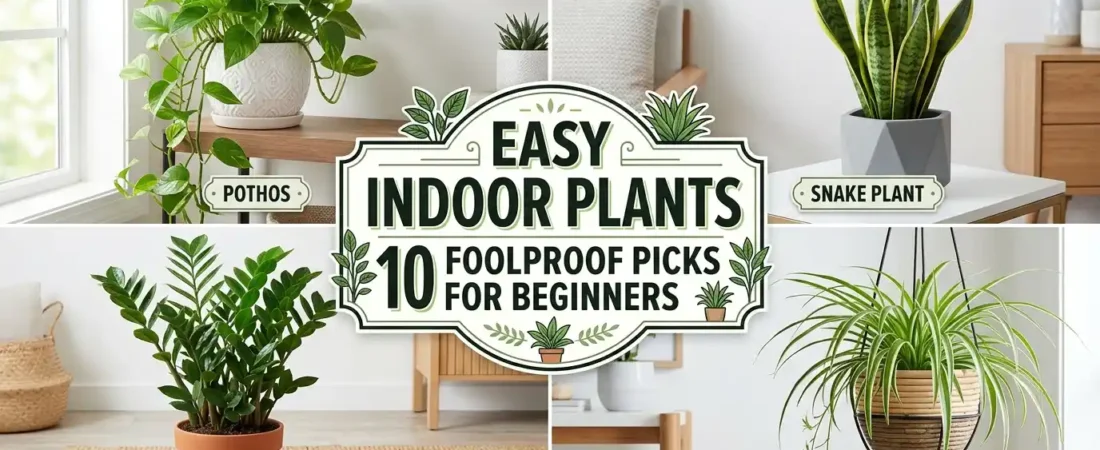
If you think you have a “brown thumb” or struggle to keep plants alive, you are not alone. The key to success is choosing plants that practically thrive on neglect. Easy indoor plants are forgiving, adaptable, and can survive a little forgetfulness when it comes to watering.
This guide covers ten of the easiest indoor plants that are almost impossible to kill. Every suggestion includes specific care tips, light requirements, and watering advice. No fussy plants. No complicated routines. Just reliable greenery that makes you look like a plant pro.
Table of Contents
Why Some Plants Are Easier Than Others
Easy indoor plants share several key traits. They tolerate a wide range of light levels, especially low light, and can survive despite inconsistent watering. They tolerate low humidity and still look good, and they remain healthy and attractive despite minimal care.
Many of the most forgiving plants are native to tropical or arid regions where they have adapted to survive periods of drought. They store water in their leaves, stems, or roots. They are also slow-growing, so they do not need frequent repotting or fertilizing.
Here are ten of the easiest indoor plants that are perfect for beginners.
1. Snake Plant: The Unkillable Favorite
✦ Best for: Any room where you want a dramatic, architectural plant that tolerates neglect
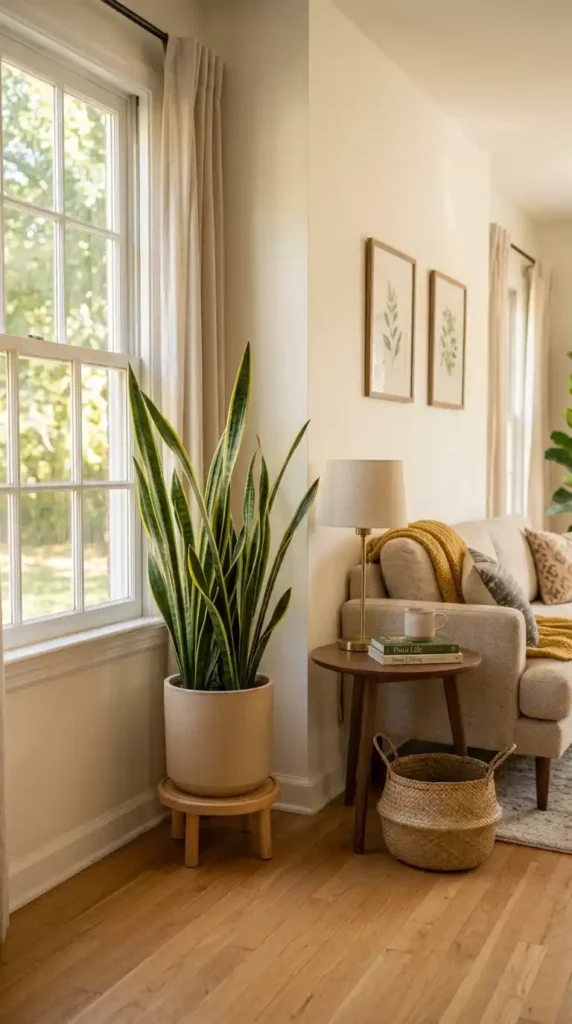
The snake plant is often at the top of suggested plant lists for good reason. These tall, slender-leaved plants will tolerate adverse conditions, need infrequent watering, and seldom need repotting. Like many houseplants, overwatering is their main enemy.
Snake plants grow in almost any environment. They tolerate low to bright light and prefer warm temperatures and low humidity. The only way to kill this plant is to overwater it.
Care Tips: Water only when the soil is completely dry, which could be every two to four weeks. Place in low to bright indirect light. Dust leaves occasionally.
2. Pothos: The Trailing Favorite
✦ Best for: Hanging baskets, shelves, and anywhere you want a fast-growing, forgiving vine
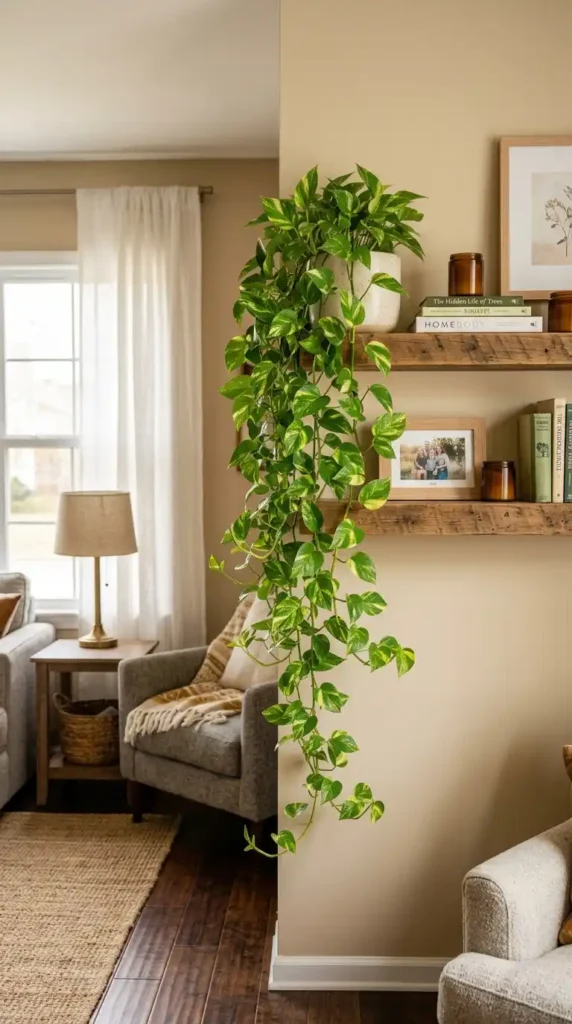
Pothos, also called Devil’s ivy, is one of the easiest and most forgiving houseplants you can grow. It resembles philodendron but has smooth-textured, ridged stems. Plants have a trailing or climbing habit and can be grown and trained on a trellis or allowed to cascade from the side of the container.
Pothos can grow in low to moderate light and adapts well to various conditions. It is also known to have air-purifying qualities. It grows in water or soil and is fast-growing.
Care Tips: Allow soil to dry moderately between waterings. Pinch tips to promote fullness. Plants root quickly from stem cuttings.
3. ZZ Plant: The Low-Light Champion
✦ Best for: Offices, bedrooms, and corners with minimal natural light
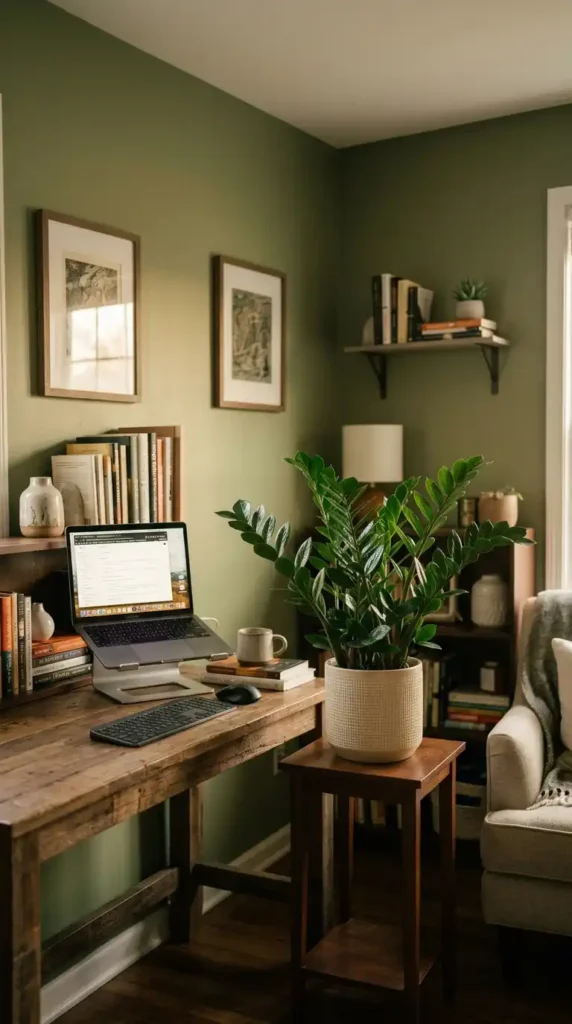
The ZZ plant is hailed as being almost indestructible. Native to Africa, it has deep, green glossy leaves and is able to survive long periods without water. The reason the Zanzibar gem is so hardy is due to its ability to store water in its potato-like tuber.
ZZ plants do exceptionally well in low light and are very tolerant of dry conditions and low humidity. This tolerance makes it nearly indestructible. They can survive for months without water, though they prefer watering every two to three weeks.
Care Tips: Water when the soil has dried out completely, typically every two to three weeks. Keep out of direct sunlight as the plant can burn. Repot when roots start to bulge.
4. Spider Plant: The Pet-Safe Cascader
✦ Best for: Hanging baskets and households with pets
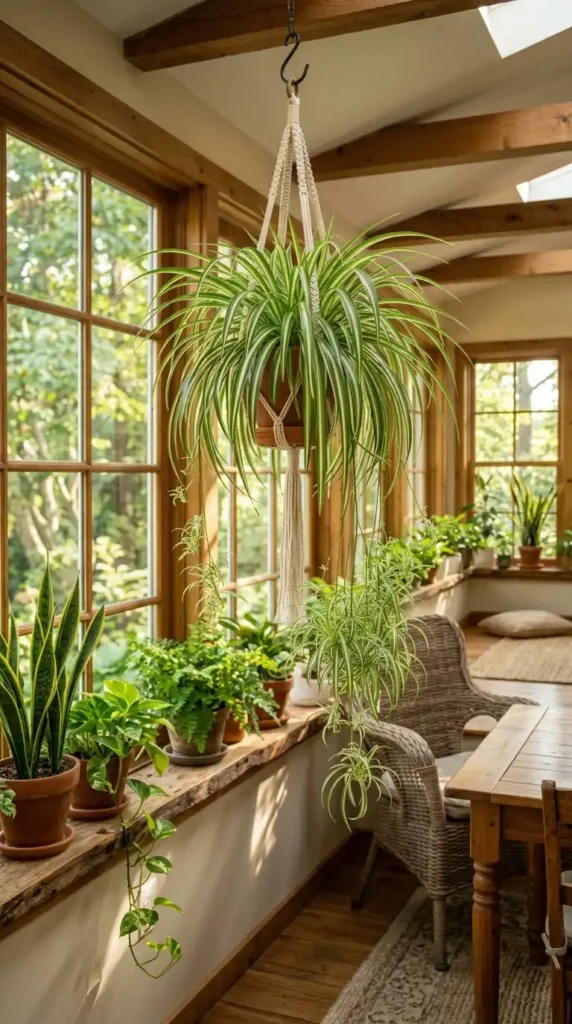
Spider plants are one of the easiest houseplants to grow, making them one of the most popular. They have grass-like leaves that can be green or variegated with white or yellow. They often produce cascading stems with small plantlets.
Spider plants are attractive in hanging baskets and are adaptable to various environmental conditions. They prefer indirect light, average moisture, and temperature levels. Small plantlets can be removed and potted to produce additional plants.
Care Tips: Water when the top inch or two of soil feels dry. Place in bright to moderate indirect light. Trim off brown tips if they appear.
5. Peace Lily: The Elegant Dramatic
✦ Best for: Low-light rooms where you want white blooms and a clear watering signal
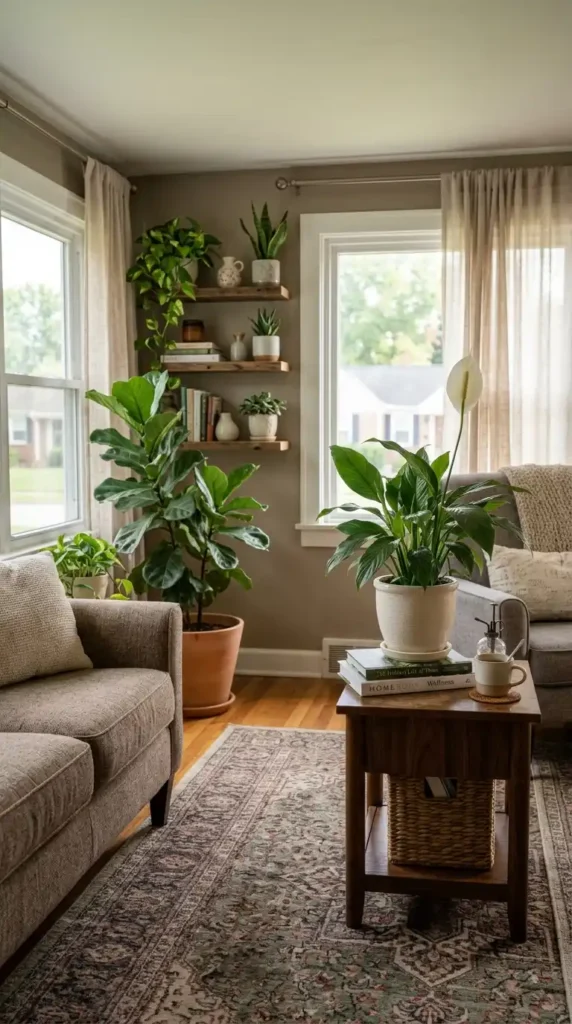
The peace lily is a classic choice that prefers consistent moisture and is famous for being dramatic. When it needs water, it collapses, only to perk up within hours of being watered. This makes it an excellent teacher for learning about plants.
Peace lilies are very tolerant plants that grow in low light but flower best in indirect sunlight. Leaves will wilt when plants are dry but will revive after watering. They are easily propagated by division.
Care Tips: Keep soil moist but not waterlogged. Place in low to medium indirect light. Wipe leaves occasionally to remove dust.
6. Cast Iron Plant: The Victorian Survivor
✦ Best for: Very dark corners and rooms where other plants struggle
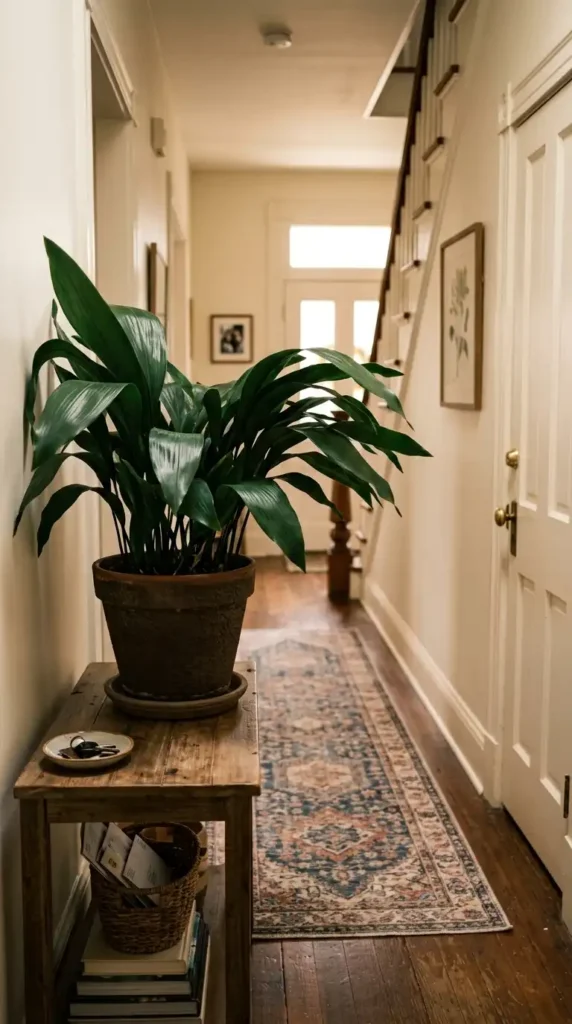
The cast iron plant is known to be tough, much like cast iron. It is also called a barroom plant because it can live in a bar. Masses of arching, broad, glossy, green leaves grow up to 18 inches in length.
Cast iron plants endure heat, dust, low light, and lack of water better than most other houseplants. They are harmed by frequent repotting, so divide and repot infrequently.
Care Tips: Water sparingly, allowing soil to dry between waterings. Place in low to bright indirect light. Dust leaves occasionally. They thrive on neglect.
7. Jade Plant: The Lucky Succulent
✦ Best for: Sunny windowsills and people who forget to water
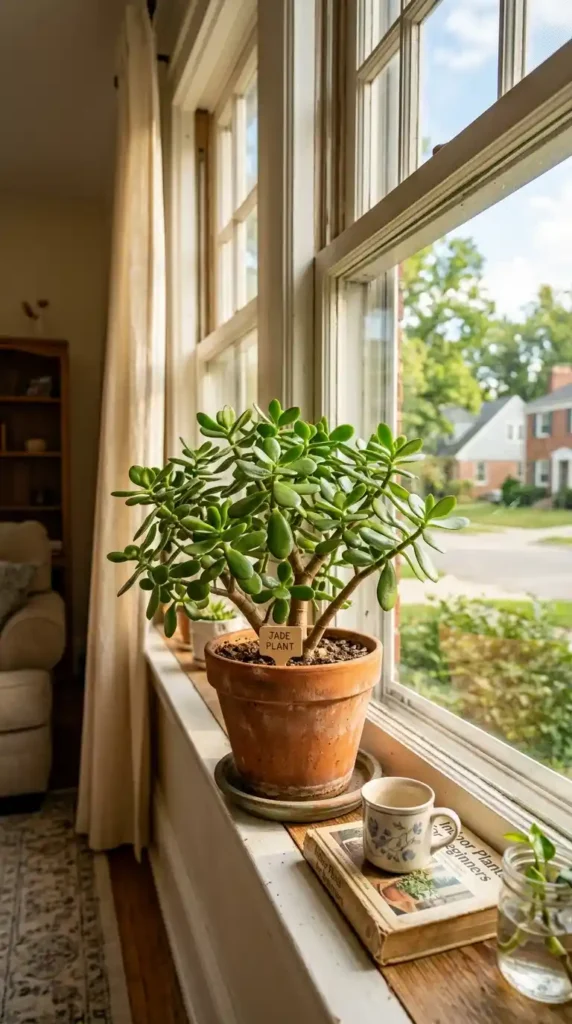
Jade plants are popular, easy-to-grow succulents that store water in their leaves, stems, and roots. They need more light than other easy-to-grow species but are tolerant of neglect and like warm, dry conditions typical of many indoor settings.
If light is too low, plants will be darker in color and stems may droop, but they will survive. Well-drained soil mixes intended for succulents and cacti are best. They can live for decades with proper care.
Care Tips: Place in bright light, ideally a sunny windowsill. Water sparingly, allowing soil to dry completely between waterings. Use well-draining succulent soil.
8. Heartleaf Philodendron: The Tropical Viner
✦ Best for: Adding a tropical vibe to desks, shelves, and hanging baskets
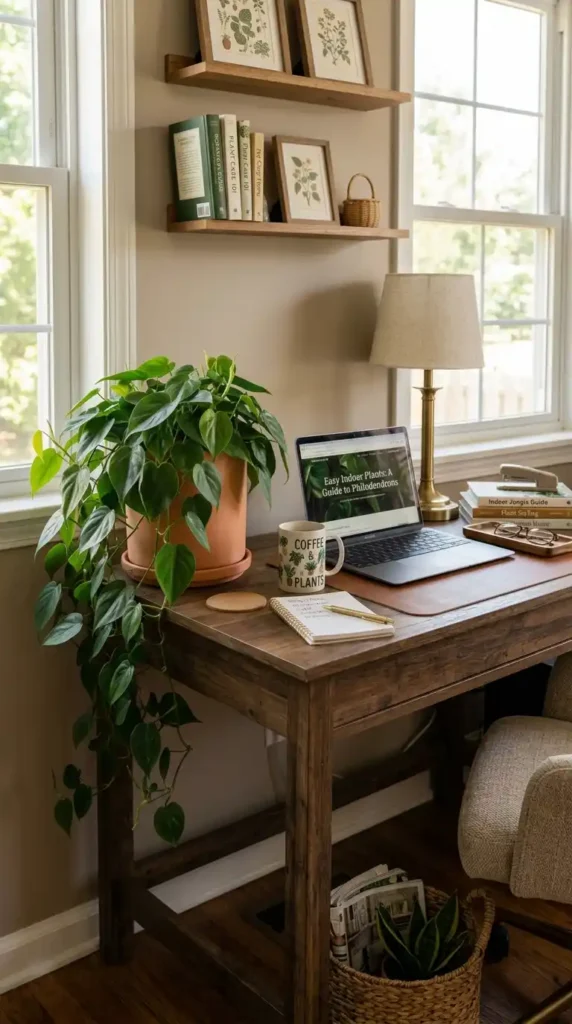
Heartleaf philodendron is a trailing plant with heart-shaped leaves. They are known for being easy to care for, as they tolerate low-light areas for long periods of time. You only need to water them once the top layer of soil has dried.
Keep plants evenly moist and grow in areas with low to indirect light, warm temperatures, and low humidity levels. Wash leaves occasionally to remove dust. When plants grow too long, cut back the stem to encourage new branches.
Care Tips: Water when the top inch of soil feels dry. Place in low to bright indirect light. Trim back long vines to maintain shape.
9. Ponytail Palm: The Unique Survivor
✦ Best for: Adding architectural interest to bright rooms without much care
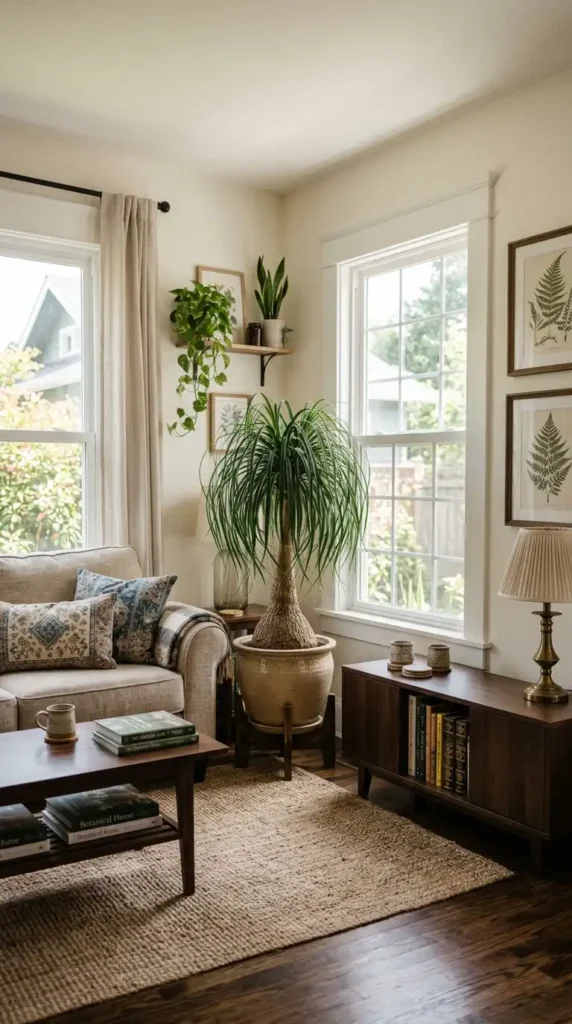
The ponytail palm is not a palm at all—it just resembles one. Plants are slow-growing, with an enlarged bulb-like base and a plume of stiff, dark-green, strap-like leaves. Leaves can grow from 2 to 5 feet in length.
Ponytail palms grow best in direct light but will tolerate lower light levels. They also thrive in the low humidity that many homes have. Because the bulbous base stores water, this plant tolerates dry conditions.
Care Tips: Place in bright light. Water sparingly, allowing soil to dry completely. Avoid overwatering, as the bulbous base stores water.
10. Chinese Evergreen: The Colorful Foliage Plant
✦ Best for: Adding color and pattern to low-light rooms
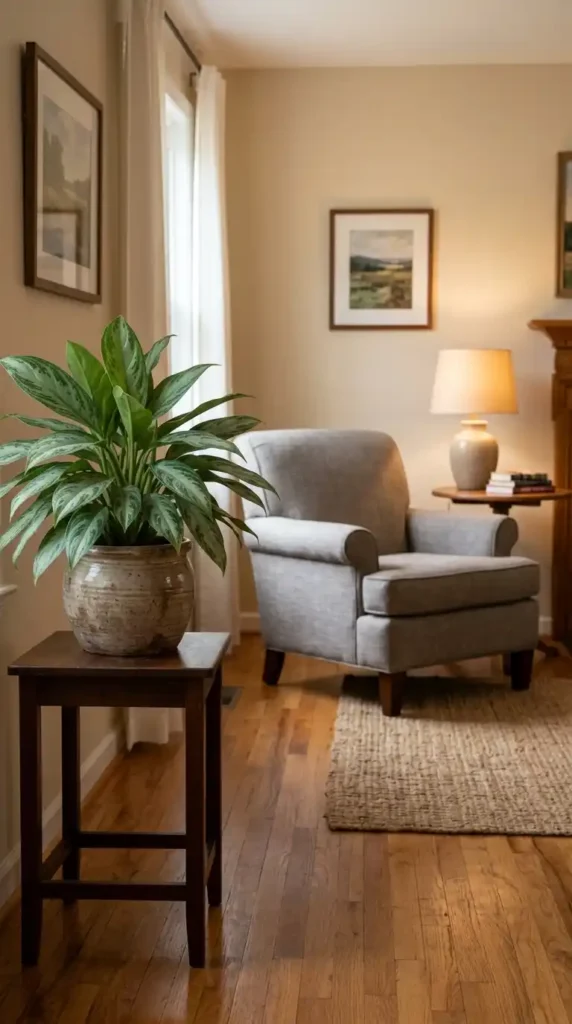
Chinese evergreens come in a wonderful range of colors and patterns that will add fresh vibrance to your indoor spaces. It is ideal to keep the mix moist, although you can let it almost dry out in between waterings since it is prone to fungus gnats.
Chinese evergreens are one of the easiest houseplants to care for, thriving on neglect and low light. They prefer low to medium light and moist, well-draining soil.
Care Tips: Water when the soil begins to dry. Place in low to medium indirect light. Wipe leaves occasionally to remove dust.
Frequently Asked Questions About Easy Indoor Plants
1. What are the easiest indoor plants for beginners?
Snake plants, pothos, ZZ plants, spider plants, and peace lilies are among the easiest indoor plants for beginners. These plants tolerate neglect, low light, and infrequent watering.
2. How often should I water easy indoor plants?
Most easy indoor plants prefer to dry out between waterings. Water when the top inch or two of soil feels dry. Overwatering is the most common mistake.
3. Can easy indoor plants survive in low light?
Yes, many easy indoor plants tolerate low light. Snake plants, ZZ plants, pothos, and cast-iron plants are particularly well-suited for low-light conditions.
4. Which easy indoor plants are safe for pets?
Spider plants, cast iron plants, parlor palms, and peperomias are non-toxic to pets. Avoid snake plants, pothos, ZZ plants, and peace lilies, which are toxic to cats and dogs.
Related Articles
Large Indoor Plants That Make a Statement in Any Room
Best Indoor Plants for Air Quality: 10 NASA-Approved Picks
The Best Low Light Indoor Plants for a Greener Home
Best Indoor Plants for Low Light That Thrive in Dim Rooms
Growing indoor plants does not have to be complicated. Start with these easy varieties, and you will be amazed at how quickly your confidence grows along with your green thumb.

Sheikh Hassaan is a digital architect for small businesses and the founder of The Glow Up System. He writes about home decor, garden design, and outdoor living for real American homes – practical ideas that work in actual spaces without oversized budgets.