
Your bedroom should be your personal retreat, a place where you can unwind, recharge, and escape from the demands of daily life. But creating a space that is both stylish and calming takes more than just buying a few nice pieces. The difference between a pleasant room and a cohesive, beautifully decorated space comes down to careful planning.
This guide breaks down the bedroom decorating process into seven simple steps. From choosing your style and color palette to layering textures and adding finishing touches, you will learn how to create a bedroom that is both beautiful and functional.
Table of Contents
1. Define Your Style and Create a Vision
Before you buy a single item, decide on a style. This is your starting point from which all decisions will flow. Picture a bedroom that you have visited and that took your breath away, a friend’s guest room, a hotel room, or an image from a magazine. Driven by a mixture of your own personal taste, take these ideas and work to emulate them in your own home.
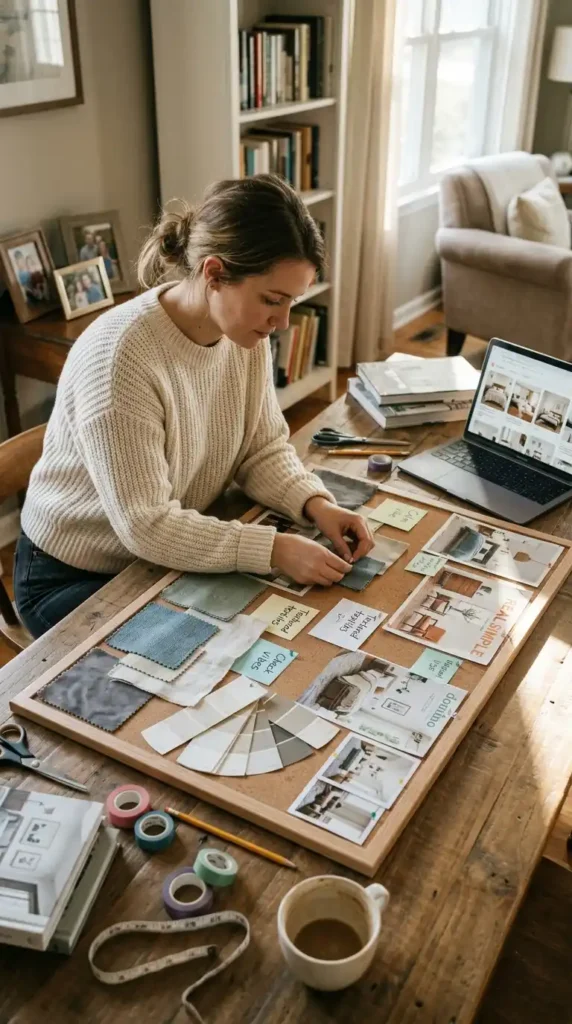
Once you have a general idea, build a mood board. This is a powerful tool in creating the ultimate interior space. Add inspirational images, photos, tear-sheets from magazines, and fabric swatches. Your mood board will act as a reference when you are making decisions on everything from your color scheme to the finishing touches.
2. Choose a Calming Color Palette
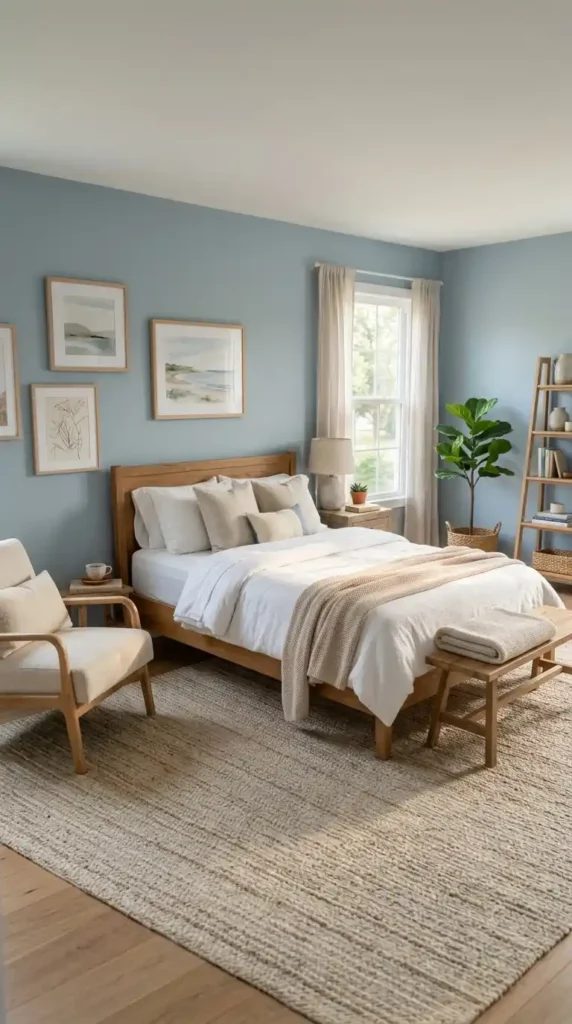
Color is crucial to creating the right atmosphere in your bedroom. Soft, neutral tones will produce a peaceful atmosphere, while vivid colors add a more dramatic feel. For a restful bedroom, start with larger items, such as your chosen wall color or an upholstered bedhead. Consider the tones of your flooring as this is something that is fixed.
Some colors are known to promote a good night’s sleep. Light blues, greens, and shades of mauve support good sleep, inducing feelings of escapism and calm. Avoid overly stimulating colors like bright reds and yellows, or choose soft pastels instead. If you prefer a white color scheme, add texture and accent colors with your bedding and accessories to prevent the room from feeling clinical.
Design Tip: Do not be afraid to mix rich and soft shades to create a gorgeous boudoir you will never want to leave.
3. Plan Your Layout Around the Bed
The bed is the focal point of any bedroom, so position it wisely. If possible, place it centrally on the longest wall to create symmetry and a sense of balance. In a small space, placing the bed against the longest wall frees up valuable floor space, but centralizing it if possible creates calm and order. Ensure you leave at least 60cm of space around the bed for easy movement and access to other furniture.
4. Layer Your Lighting
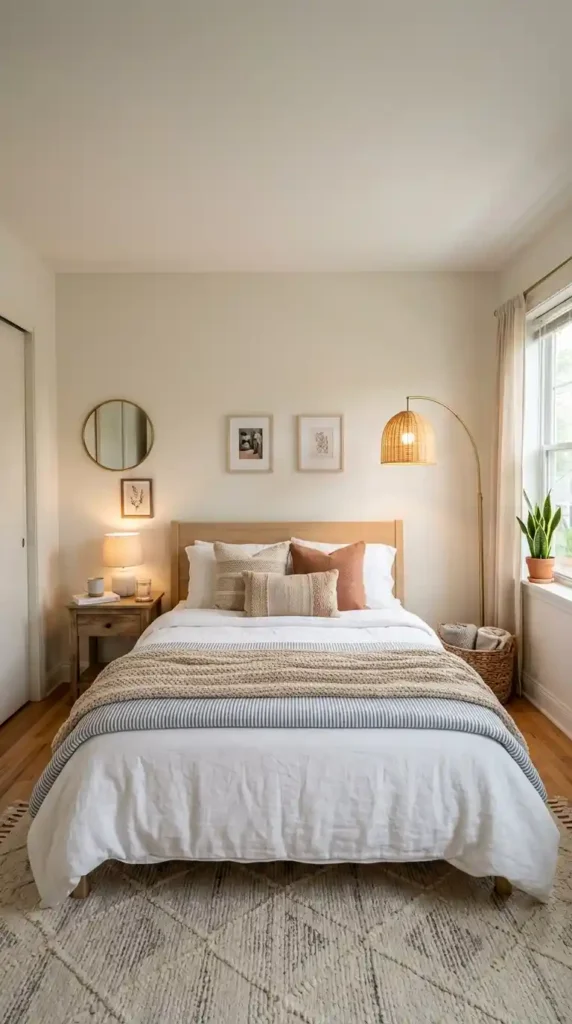
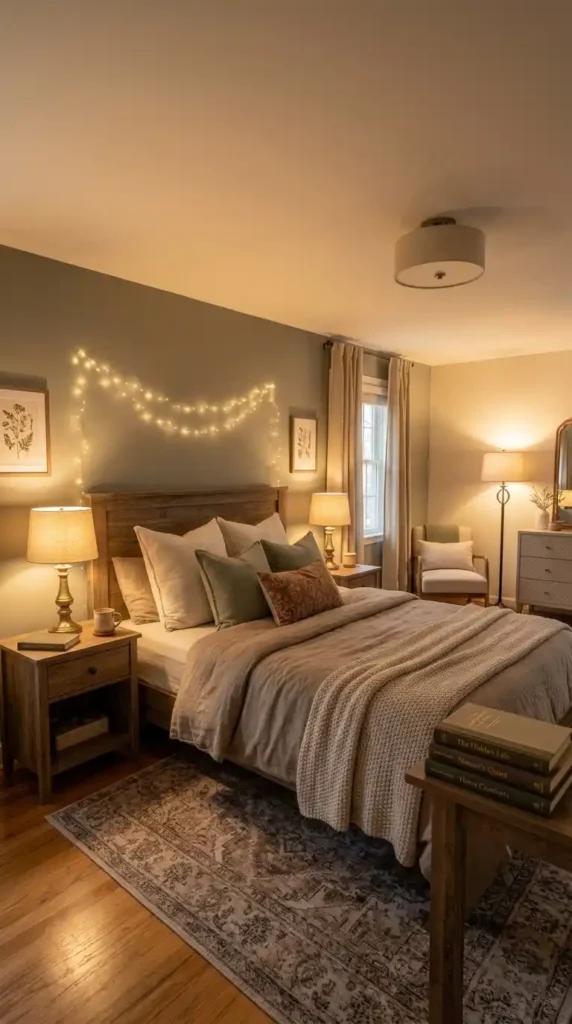
Lighting can completely transform the mood of a bedroom. It is one of the most important elements of interior design. Layer different light sources, ambient, task, and accent, to provide both form and function, and allow full control over mood and practicality.
- Ambient Lighting: The main source of illumination, typically overhead ceiling lights or recessed lighting.
- Task Lighting: Concentrates light on a specific area, like bedside lamps for reading.
- Accent Lighting: Adds sophistication and creates a mood; think wall sconces, table lamps, or fairy lights.
Expert Tip: Use warm bulbs around 2700K for a cozy, hotel-like glow. For a truly polished look, consider adding a plug-in dimmer for lights by the bedside.
5. Layer Your Bedding for Comfort and Style
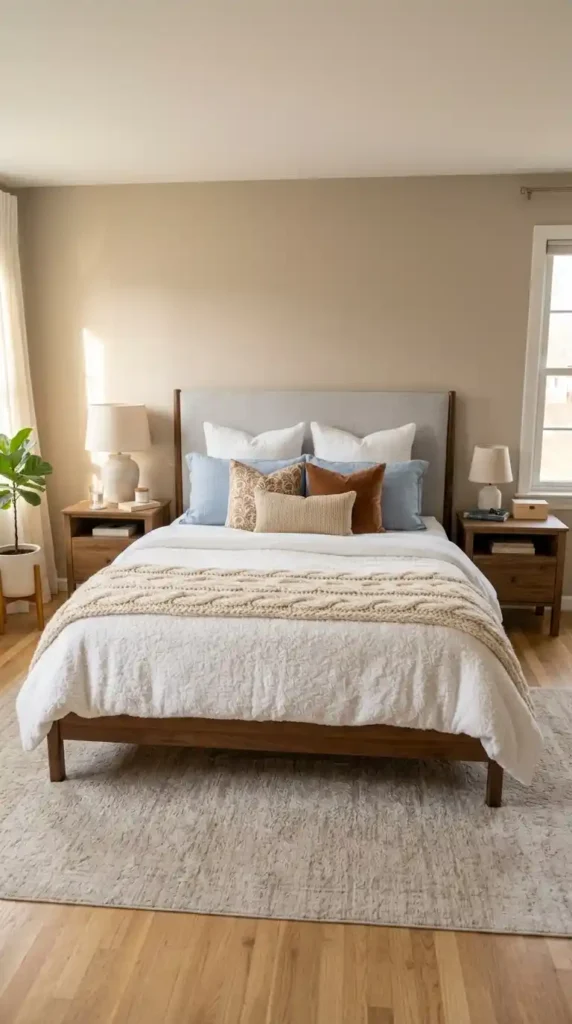
Surround yourself with layers of beautiful textures and calming hues in your choice of bed linen. Choose the best quality sheets you can afford, then layer with blankets, coverlets, and throws that bring in different textures and a mixture of patterns and plains. Soft textures like cotton, fleece, or knitted blankets add warmth without the price tag.
This layered, hotel-like effect makes your bed look inviting and instantly elevates the entire room.
6. Add Smart Storage
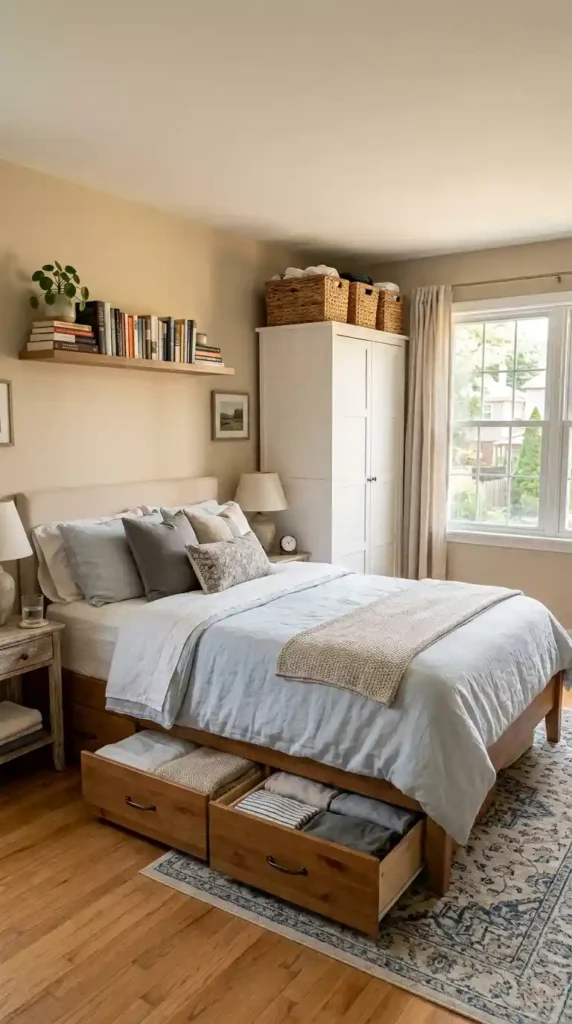
Clutter is the number one reason small rooms feel smaller. A bedroom should be a peaceful sanctuary, not a storage unit. Use clever storage solutions to keep things tidy.
- Under-Bed Storage: Use plastic boxes, vintage trunks, or rolling storage bins under the bed for items not in daily use.
- Multi-Functional Furniture: Invest in a bed with built-in drawers or an ottoman, or choose furniture that doubles as storage, like a large chest of drawers serving as a bedside table.
- Vertical Storage: Use tall wardrobes and floating shelves to make use of vertical wall space.
7. Add the Finishing Touches
Once the larger pieces are in place, add personality with thoughtful accents.
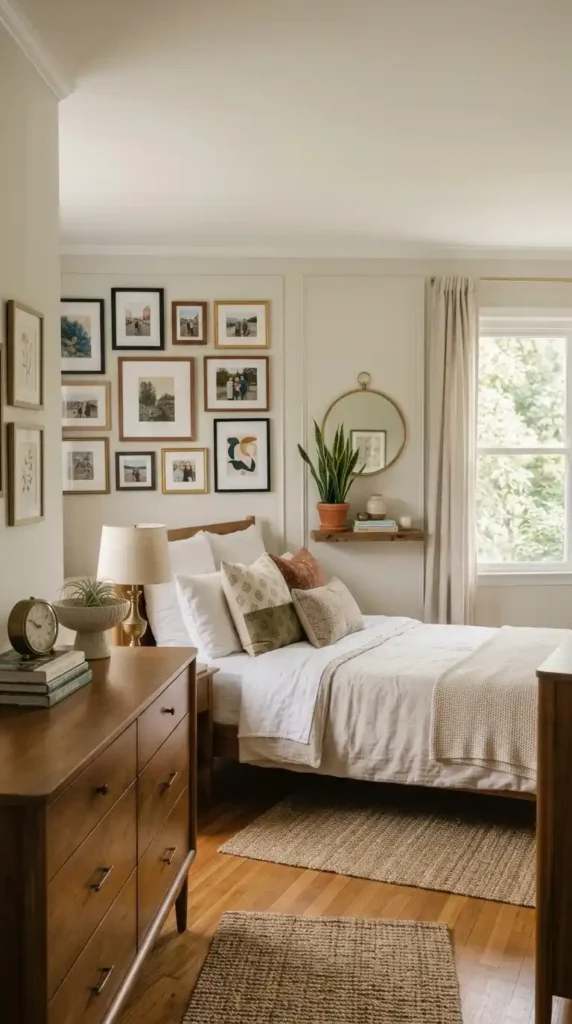
- Mirrors: A large mirror opposite a window will reflect light and create the illusion of more space.
- Plants: Even a small potted plant or succulent can make a room feel fresher and more inviting. Low-maintenance options like snake plants or spider plants are easy to care for.
- Wall Art: You do not need expensive pieces to decorate your walls. Framed photos, sketches, canvases, or a gallery wall of meaningful prints add a personal touch.
- Declutter: Finally, step back and look at the end result. Do not be afraid to remove elements that do not work. Be firm in your original idea and keep coming back to it. A few impactful pieces allow each one to shine and make the room feel calmer and more considered.
Frequently Asked Questions About How to Decorate a Bedroom
1. What is the first thing to consider when decorating a bedroom?
Start by defining your style and creating a mood board. This will guide all your decorating decisions, from color to furniture.
2. What is the best color for a bedroom?
Soft, neutral tones like light blues, greens, and mauve are calming and promote good sleep. You can also use warm whites and add texture and color through your bedding and accessories to avoid a clinical look.
3. How do you decorate a small bedroom?
Use light colors to reflect light, choose multifunctional furniture with storage, and make use of vertical space with tall wardrobes and floating shelves. Place mirrors opposite windows to create depth.
4. How can I decorate my bedroom on a budget?
Start by rearranging furniture and repurposing what you already own. A fresh coat of paint is a low-cost game-changer. DIY projects like creating wall art or using fairy lights add personality without breaking the bank. Look for affordable accessories like throw pillows and plants to refresh the room.
5. What lighting is best for a bedroom?
Layer ambient, task, and accent lighting. Use warm bulbs around 2700K for a cozy glow and consider dimmers for bedside lights.
Related Articles
Best Plants for Bedroom Spaces to Help You Sleep Better
Organic Modern Bedroom Ideas That Feel Calm and Cozy
Teen Bedroom Ideas That Actually Reflect Who They Are
Girls Bedroom Ideas That Grow With Her Style
Decorating a bedroom is not just about choosing pretty things. It is about creating a calm, functional, and personal space that helps you rest and recharge. Start with a plan, focus on comfort, and add personal touches that make it feel like you.

Sheikh Hassaan is a digital architect for small businesses and the founder of The Glow Up System. He writes about home decor, garden design, and outdoor living for real American homes – practical ideas that work in actual spaces without oversized budgets.