
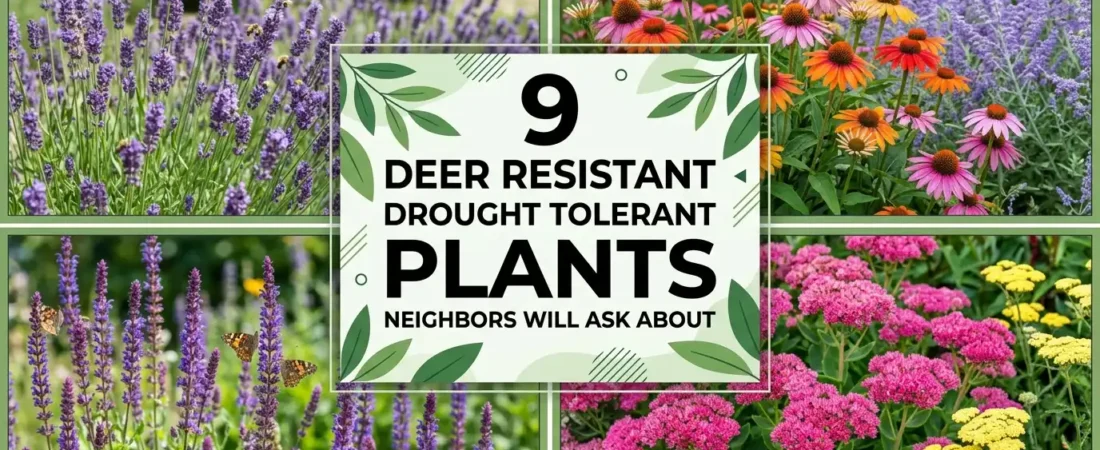
Deer resistant drought tolerant plants are the combination most suburban American gardeners eventually realize they need but spend years finding. Deer pressure alone is frustrating enough. Add a dry summer on top of it and most gardens end up with bare patches where the plants used to be.
I learned this the hard way after planting a border that looked beautiful in May and was stripped to stubs by July. Not by drought. By deer. The plants that survived that summer taught me more about garden planning than anything else I have tried.
Table of Contents
Why Deer Resistant Drought Tolerant Plants Solve Two Problems at Once
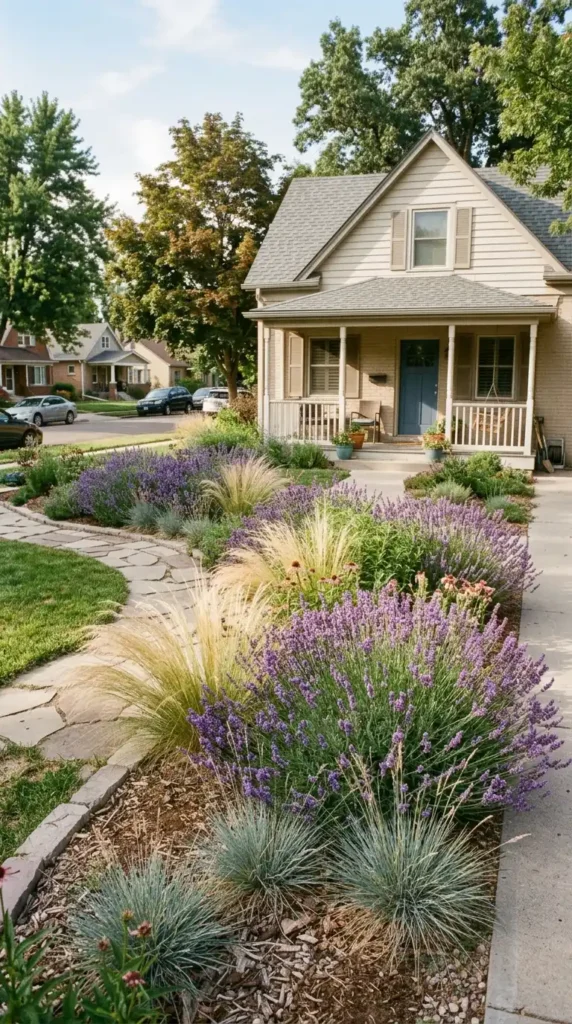
Deer avoid plants for two main reasons: strong scent and texture. Aromatic plants like lavender and sage contain volatile oils that deer find unpleasant. Fuzzy, spiny, or coarse-textured plants are physically uncomfortable to browse.
The good news is that these same characteristics overlap almost perfectly with drought tolerance. Aromatic Mediterranean plants evolved in dry rocky soils. Fuzzy leaf surfaces reduce water loss. Spiny plants like agave store water internally.
This overlap is why the plants on this list do double duty so effectively. You are not compromising on one problem to solve the other. The same characteristics that make them drought tolerant often make them deer resistant too. If you are just starting to build a garden from scratch our best plants for beginners guide covers which of these are the most forgiving choices for a first-time gardener.
1. Lavender for Fragrance, Drought Tolerance, and Deer Resistance
✦ Best for: sunny borders and front yards where fragrance, drought tolerance, and deer resistance all matter
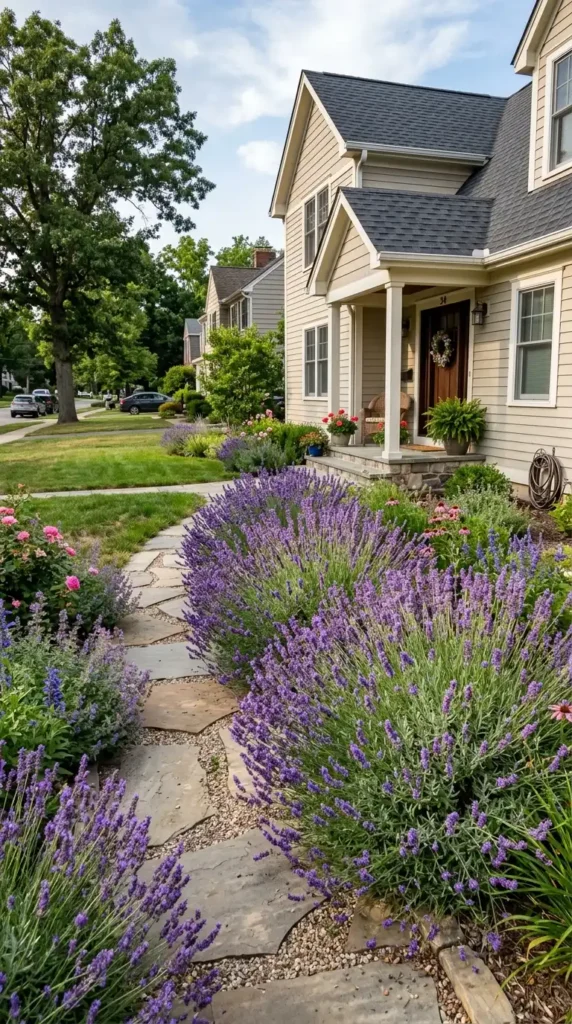
Lavender is the plant I put at the top of every deer resistant drought tolerant plants list because it delivers on both counts completely. The aromatic oils that make it smell wonderful to humans are exactly what deer find repellent. I have never lost a lavender plant to deer in any garden I have planted it in.
Once established lavender needs no supplemental watering in most US climates. It evolved in the dry rocky hillsides of the Mediterranean and performs best in conditions that would stress most garden plants. Poor soil, full sun, and good drainage are what it wants.
For US gardens: Hidcote and Munstead are the most cold-hardy varieties, surviving to zone 5. Phenomenal lavender is the best choice for humid southeastern states where standard lavender often struggles with moisture. Cut back by one third after flowering to keep plants compact and productive for years.
2. Russian Sage for Tall Airy Color That Deer Never Touch
✦ Best for: back of border planting where height, soft blue color, and zero deer browsing are all needed
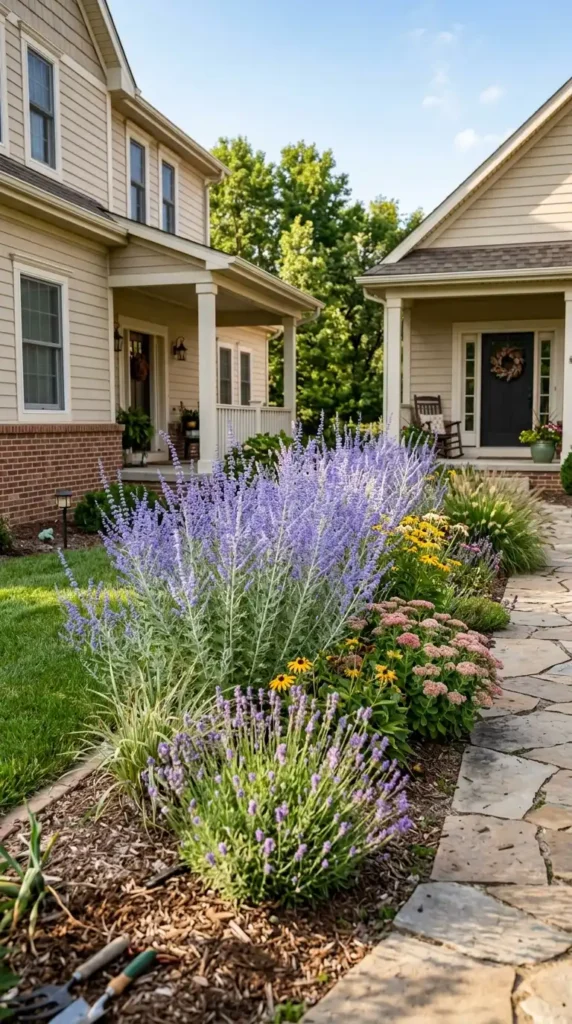
Russian sage is one of the most reliable deer resistant drought tolerant plants for American gardens. Deer consistently avoid it because of the strong aromatic scent of the silver-gray stems and leaves. I have seen it growing untouched directly beside hostas that were completely stripped.
It grows 3 to 5 feet tall with soft lavender-blue flower spikes from July through October. The silvery stems remain attractive through winter. Plant it at the back of a border where the height works and the late season color fills the gap left by earlier-blooming perennials.
Hardy to zone 4, drought tolerant once established, and requiring full sun and well-drained soil. Cut to 6 inches in early spring. That is the complete care requirement for a plant that blooms for four months and never gets browsed.
3. Salvia for Continuous Color With Near-Zero Deer Interest
✦ Best for: mixed borders and foundation plantings where reliable deer-resistant color from spring to frost is needed
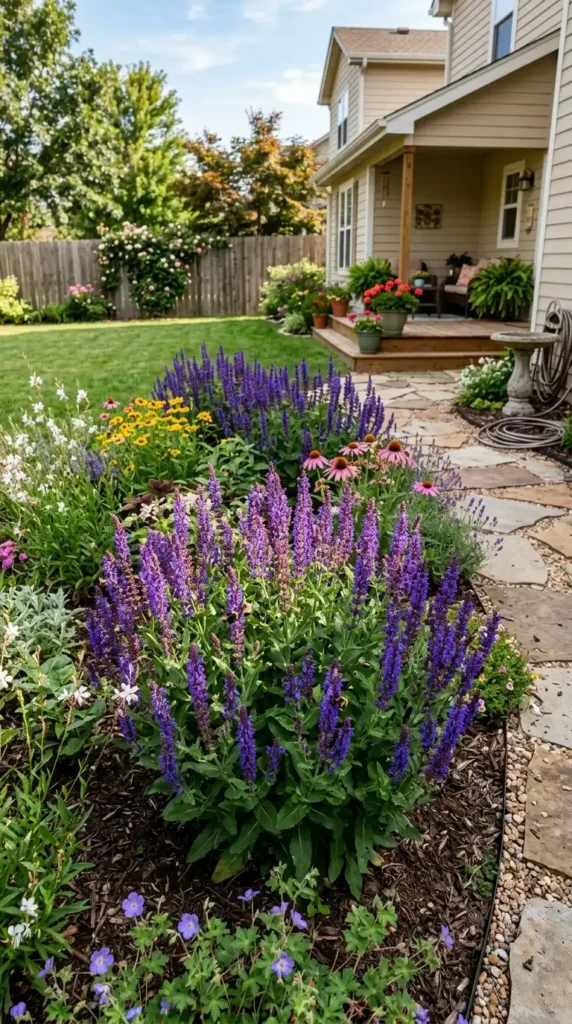
Salvia is the deer resistant drought tolerant perennial I recommend most for foundation plantings and mixed borders because it combines continuous color from late spring through frost with the kind of low maintenance that most homeowners actually want.
The aromatic foliage is what keeps deer away. They brush it, smell it, and move on. I have planted salvia as a border around more vulnerable plants specifically to create an aromatic barrier that deer learn to associate with an unpleasant experience.
May Night and Caradonna are the most widely recommended perennial salvias for US gardens. Both are hardy to zone 4, bloom prolifically, and rebloom after deadheading. May Night produces deep indigo spikes. Caradonna has distinctive black stems that look architectural even when not in flower.
4. Ornamental Grasses for Structural Deer Resistance
✦ Best for: adding structure, movement, and year-round presence that deer genuinely leave alone
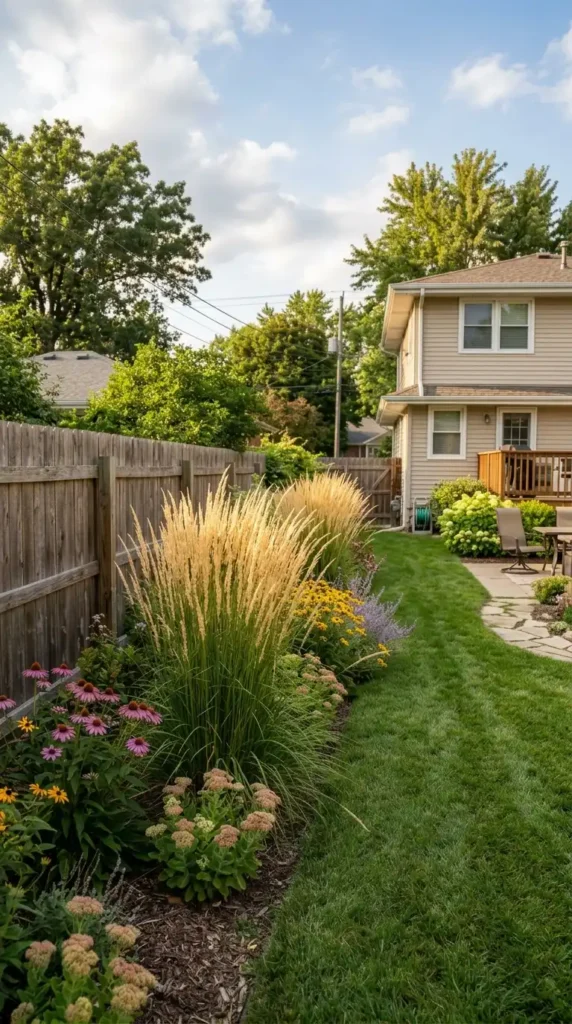
Ornamental grasses are reliably deer resistant because the sharp silica-edged leaves cut the soft tissue in deer mouths. Deer learn quickly which plants cause discomfort and avoid them consistently after one or two unpleasant encounters.
Karl Foerster feather reed grass is my first recommendation for most American gardens. It is upright and architectural at 5 to 6 feet, emerges early in spring, produces feathery plumes by July, and stands through winter providing structure when everything else has died back.
Panicum virgatum (switchgrass) is the best native grass option for deer resistance and drought tolerance. If you are building a full privacy border with grasses as part of the structure our plant screening for privacy guide covers how to combine grasses with evergreens for year-round coverage. Blue Heaven and Shenandoah are the varieties with the most garden merit. Both turn red in autumn and handle the widest range of soil conditions including heavy clay.
5. Catmint for Low-Growing Deer Resistant Border Edging
✦ Best for: border edging and pathway planting where a low mounding aromatic plant keeps deer out
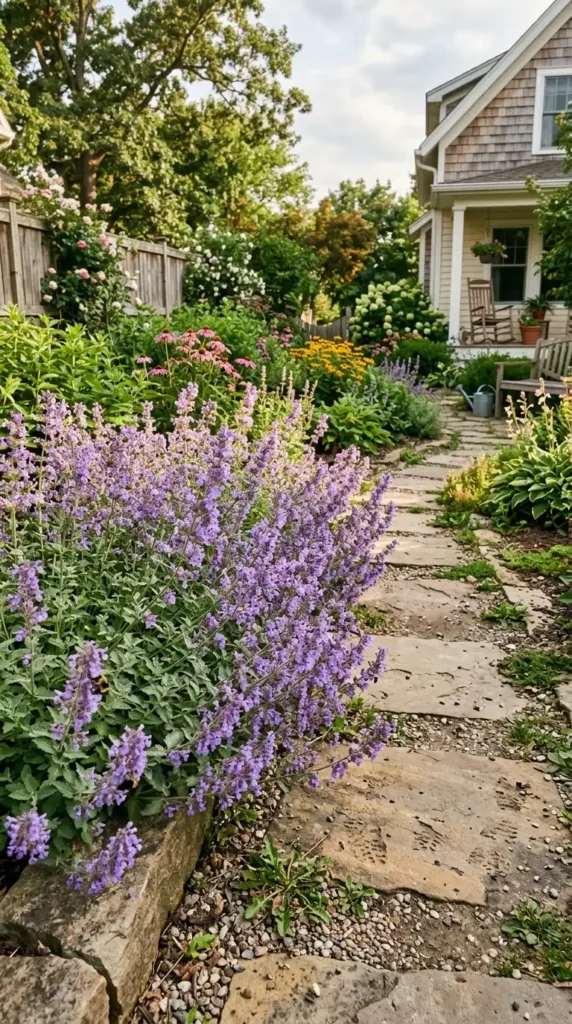
Catmint (Nepeta) is the low-growing deer resistant drought tolerant plant I use most at border edges and along pathways. The soft mounding form, lavender-blue flower spikes, and gray-green aromatic foliage make it genuinely beautiful as well as genuinely functional.
Walker’s Low is the most widely available and most recommended variety. Despite its name it grows 18 to 24 inches tall and wide. It blooms from May through July, shear it back by half after the first flowering and it reblooms through September.
Plant catmint in full sun to partial shade in well-drained soil. It tolerates poor dry soil once established and never needs fertilizing. A plant that has been in the ground for two full seasons requires no supplemental irrigation in most US climates outside of extreme drought.
6. Agave for Maximum Deer Resistance in Hot Dry Climates
✦ Best for: Southwest and Southern gardens where an architectural plant completely immune to deer browsing is needed
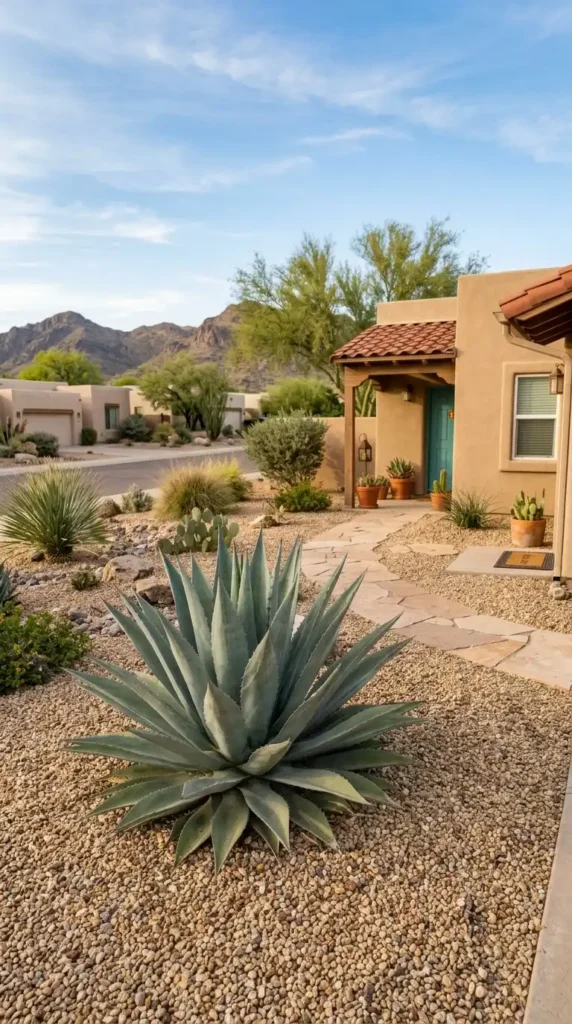
No deer eats agave. The terminal spines on every leaf tip are sharp enough to cause genuine injury to a browsing animal and deer learn to avoid the plant entirely after one encounter. It is the most physically impenetrable plant available for a residential garden.
Combined with extreme drought tolerance — agave survives on natural rainfall alone in climates as dry as Arizona and New Mexico — it is the definitive deer resistant drought tolerant plant for hot dry regions. Plant it once and it asks for nothing in return.
Position carefully. The spines cause real injury if someone brushes against them. Keep agave away from paths, play areas, and anywhere that requires reaching past it. In the right position with adequate space it is genuinely one of the most impressive plants in American residential landscaping.
7. Yarrow for Wildflower Color Deer Consistently Ignore
✦ Best for: naturalistic and cottage gardens where wildflower-style color and complete deer resistance are both needed
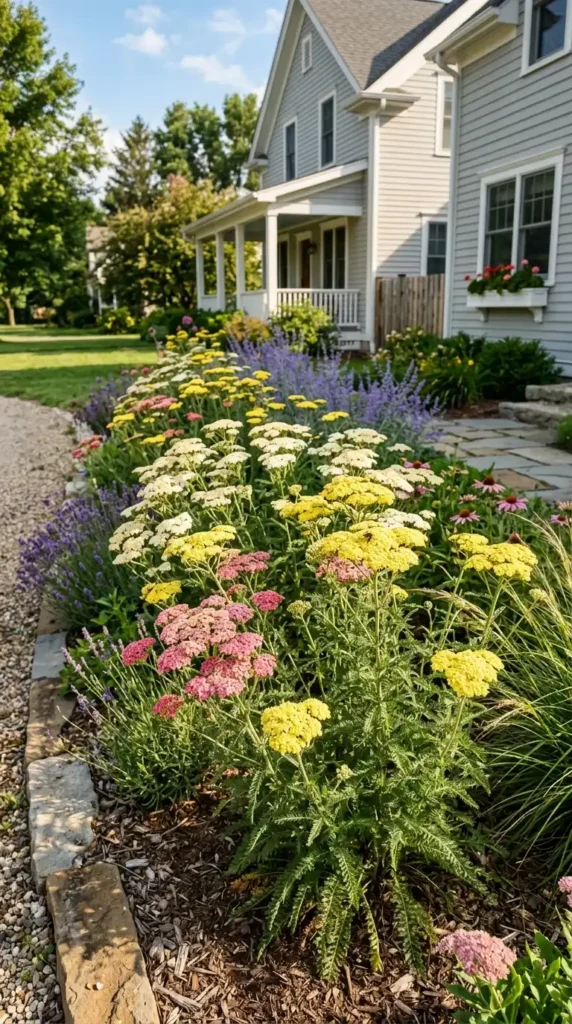
Yarrow is one of those plants that handles every difficult garden condition simultaneously. Deer resistant because of its strongly aromatic foliage. Drought tolerant because of its deep taproot that accesses moisture far below the surface. Heat tolerant, cold hardy to zone 3, and pollinator-friendly on top of all that.
The flat-topped flower clusters come in yellow, white, pink, and red depending on the variety. Moonshine yarrow in clear yellow is the most widely planted and most reliably drought tolerant. Summer Pastels produces a mix of soft cream, pink, and lavender that suits cottage garden styles particularly well.
Plant in full sun and poor to average well-drained soil. For more plants that thrive in tough dry conditions see our guide to drought tolerant plants succulents which covers nine options that handle neglect even better than yarrow does. Rich moist soil causes yarrow to flop and require staking. In the lean dry conditions it prefers it stands perfectly upright and blooms prolifically from June through September.
8. Coneflower (Echinacea) for Native Deer Resistance and Drought Tolerance
✦ Best for: gardens across all US climate zones where a native perennial handles drought and moderate deer pressure
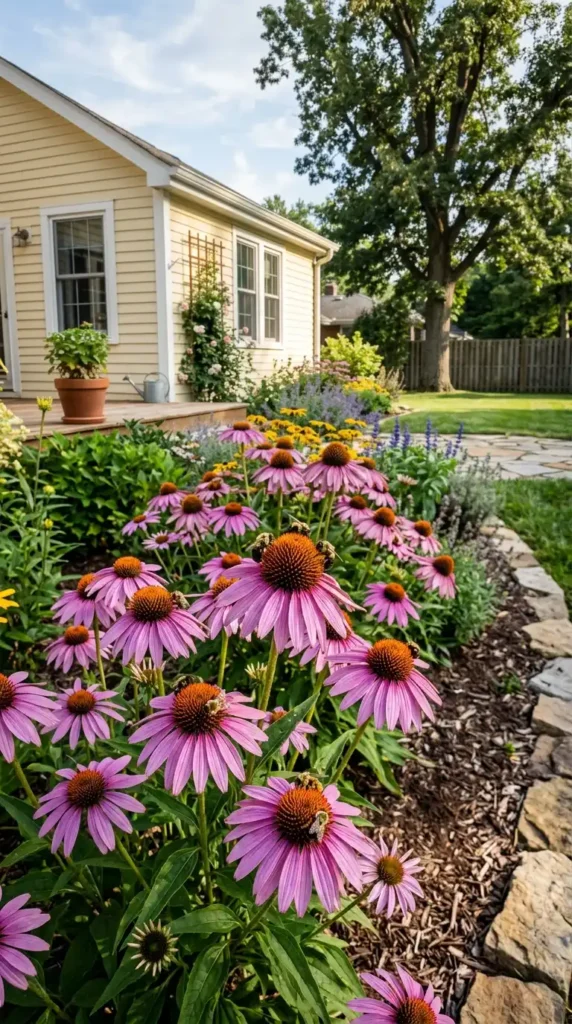
Coneflower is not completely deer proof in the way that lavender or agave are. In high deer pressure areas where herds are large and food is scarce deer will occasionally browse it. But in most suburban situations with moderate deer pressure coneflower holds up well because the coarse prickly texture of the flower heads and leaves is unpleasant to browse.
The drought tolerance is genuine. Native to the dry prairies of the American Midwest, coneflower develops a deep taproot that accesses subsoil moisture through dry periods. I have had it survive two-week dry spells in July without visible stress.
Leave the seed heads standing through winter. They are one of the most important winter food sources for goldfinches and other seed-eating birds. The structural dried heads also look genuinely attractive in a winter garden in a way that cut-back perennials do not.
9. Sedum (Stonecrop) for Ground-Level Deer Resistance
✦ Best for: low border edging, rock gardens, and container planting where ground-level deer resistance and drought tolerance are needed
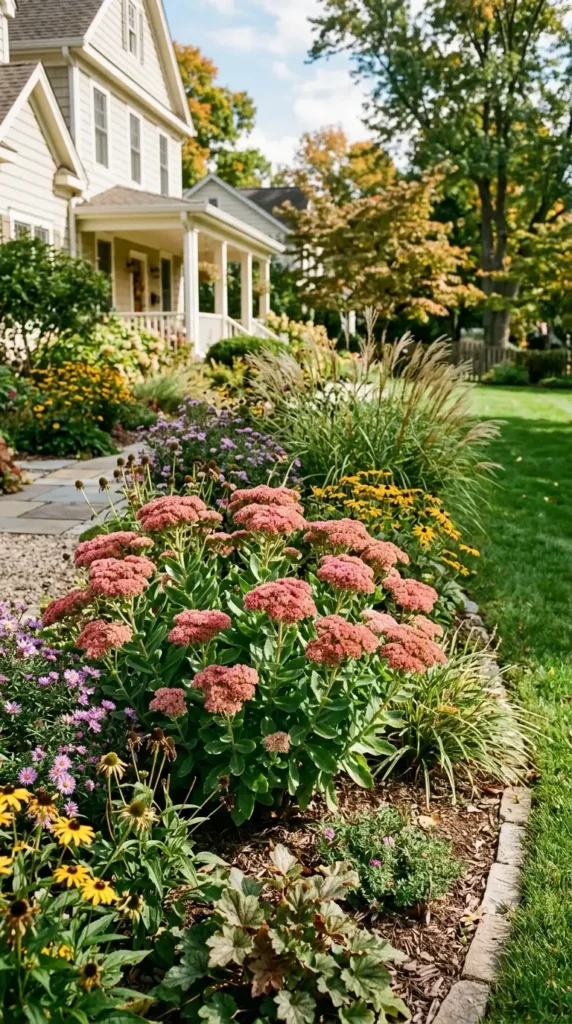
Sedum is one of the most reliably deer resistant plants available for American gardens. The thick waxy leaves contain bitter compounds that deer find unpalatable. Unlike some plants that deer occasionally sample before avoiding, sedum is consistently left alone even in high deer pressure areas.
Autumn Joy is the variety I recommend most. It grows 18 to 24 inches tall with flat-topped pink flower heads that turn rust and copper as temperatures drop in fall. The dried seed heads stand through winter providing structure and bird food simultaneously.
For ground-level coverage try Sedum rupestre Angelina. The bright chartreuse foliage spreads as a dense mat, tolerates foot traffic, requires zero irrigation once established, and turns orange in cold weather. It is one of the best low-maintenance ground covers available for a sunny dry spot in any American garden.
Frequently Asked Questions
What are the most deer resistant drought tolerant plants?
Lavender, Russian sage, agave, and catmint are the most reliable options for American gardens. All four are rated Rarely Damaged in high deer pressure areas according to the Rutgers deer resistance database.
Do deer resistant plants need less water?
Many do. The overlap is strongest in aromatic Mediterranean plants like lavender, salvia, and catmint which evolved in dry conditions and produce the oils deer dislike as a byproduct.
Will deer eat plants if they are hungry enough?
Yes. No plant is completely deer proof when food is scarce in late winter. The plants on this list perform well under typical suburban deer pressure but nothing is guaranteed in extreme conditions.
What smells keep deer away from plants?
Strong aromatic oils from lavender, sage, rosemary, catmint, and yarrow. Planting these at the border edge creates a scent barrier that deters deer from entering the space entirely.
Build Your Border Around These Plants First
The most effective approach I have found is to use deer resistant drought tolerant plants as the structural backbone of a border and fill in with more vulnerable plants toward the center where deer are less likely to reach.
Lavender and catmint at the front edge create an aromatic barrier. Russian sage and ornamental grasses at the back provide height and structure. Salvia and yarrow fill the middle. That combination covers spring through late autumn with color, handles drought without irrigation, and loses nothing to deer.
It took me two summers of deer damage to arrive at this planting strategy. You can skip both of those summers.
More Plant and Garden Ideas
→ 9 Drought Tolerant Plants Succulents That Thrive on Neglect
→ 7 Privacy Plants That Block Neighbors and Look Beautiful Doing It
→ Best Plants for Beginners That Are Almost Impossible to Kill
→ Garden Border Ideas That Make Every Bed Look Designed
The most effective approach I have found is to use deer resistant drought tolerant plants as the structural backbone of a border and fill in with more vulnerable plants toward the center where deer are less likely to reach.
Lavender and catmint at the front edge create an aromatic barrier. Russian sage and ornamental grasses at the back provide height and structure. Salvia and yarrow fill the middle. That combination covers spring through late autumn with color, handles drought without irrigation, and loses nothing to deer.
It took me two summers of deer damage to arrive at this planting strategy. You can skip both of those summers.

Sheikh Hassaan is a digital architect for small businesses and the founder of The Glow Up System. He writes about home decor, garden design, and outdoor living for real American homes – practical ideas that work in actual spaces without oversized budgets.