
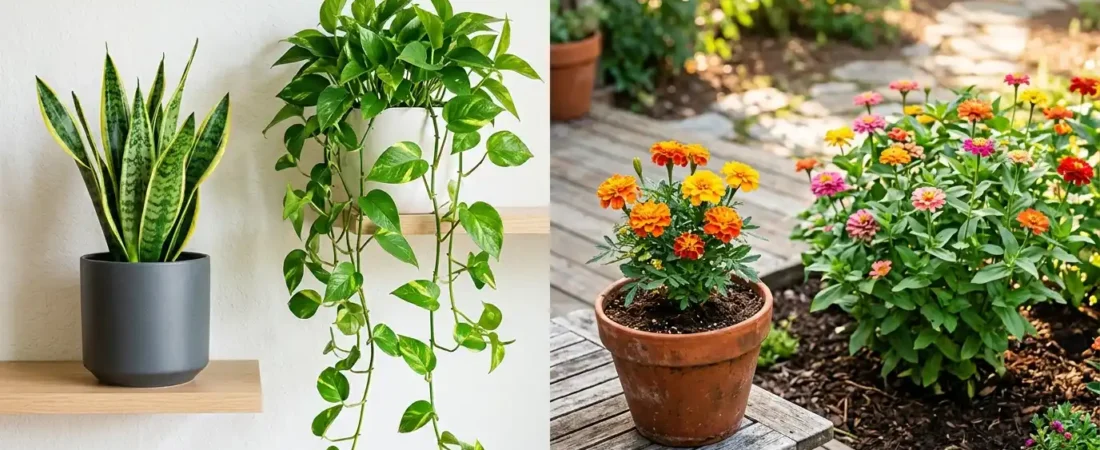
Most people kill their first plant. I did too. The problem is almost never neglect — it is choosing the wrong plant for your experience level and then overwatering it out of guilt when it starts to look unhappy.
The best plants for beginners are not just low maintenance. They actively signal what they need, bounce back from mistakes, and reward you with visible growth quickly enough to keep you motivated.
Below are seven plants I recommend to anyone just starting out — four for indoors and three for the yard, with honest notes on what they actually need and where beginners most often go wrong with each one.
Table of Contents
What Makes a Plant Beginner-Friendly?
A beginner-friendly plant does three things well. It tolerates irregular watering without dying. It grows visibly enough that you know it is alive and thriving. And it tells you when something is wrong before it is too late to fix.
The peace lily droops dramatically when thirsty. Pothos leaves go slightly limp. Snake plants show no distress for weeks, which is the whole point. These plants communicate in ways that are easy to read even when you have no experience reading them.
I also look for plants that are forgiving of overwatering mistakes. That is the number one beginner error and it kills more plants than neglect does.
1. Snake Plant: The Indestructible Houseplant
✦ Best for: Any room with any light condition, especially if you forget to water
I have had a snake plant in a windowless bathroom for two years. It has not just survived — it has produced three new leaves. That tells you everything you need to know about this plant.
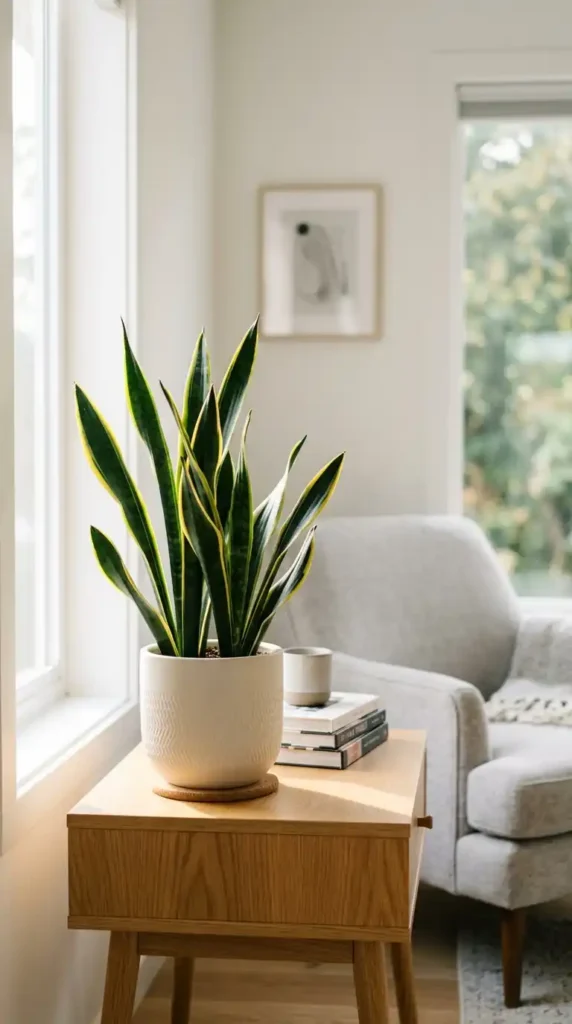
The snake plant is widely considered the most forgiving houseplant for beginners . Its stiff, sword-like leaves can survive in any light condition, from a sunny windowsill to a dark corner . It only needs watering every 2 to 4 weeks, making it almost impossible to kill .
Snake plants are also excellent air purifiers. Their thick leaves store water, allowing them to survive weeks without irrigation . Overwatering is the only sure way to kill this plant, so let the soil dry out completely between waterings . This is one of the best plants for beginners who travel frequently .
2. Pothos (Devil’s Ivy): The Trailing Favorite
✦ Best for: Hanging baskets, shelves, and anywhere you want a fast-growing trailing plant
Pothos was the first plant I ever propagated successfully and I did it by accident — a stem broke off and I stuck it in a glass of water and it rooted in ten days. That is the kind of plant this is.
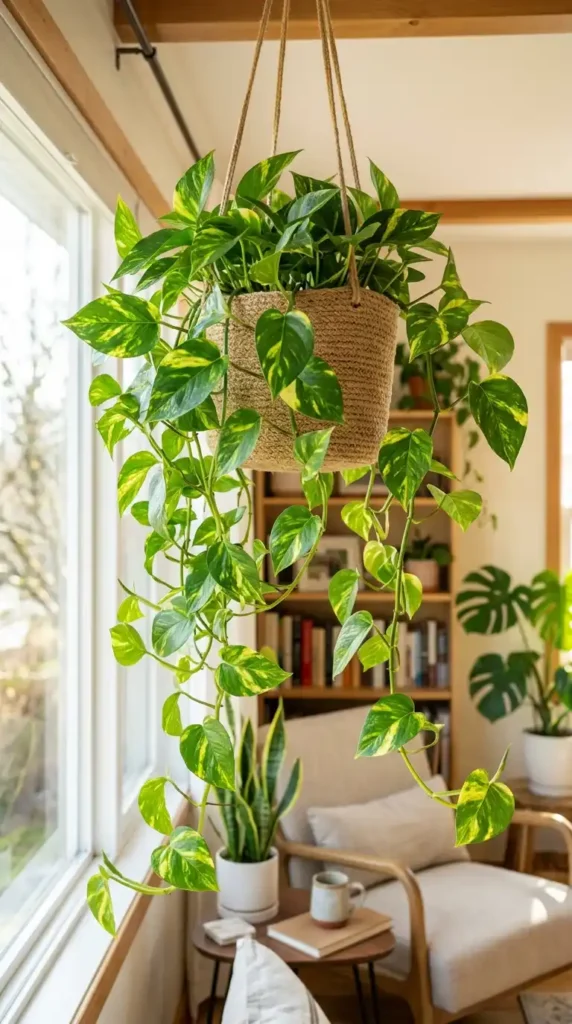
Pothos is one of the easiest and fastest-growing houseplants available . It adapts to almost any indoor environment and signals watering needs clearly by slightly drooping leaves . Water it when the top inch of soil feels dry, and it will thrive .
Pothos grows well in hanging baskets or on shelves, and its vines can trail several feet . It tolerates low light but grows faster in brighter conditions . Pothos also has air-purifying qualities, making it a popular choice for homes and offices . It is very easy to propagate in water , giving you free plants to share.
3. ZZ Plant: The Low-Light Champion
✦ Best for: Offices, bedrooms, and corners far from windows with minimal natural light
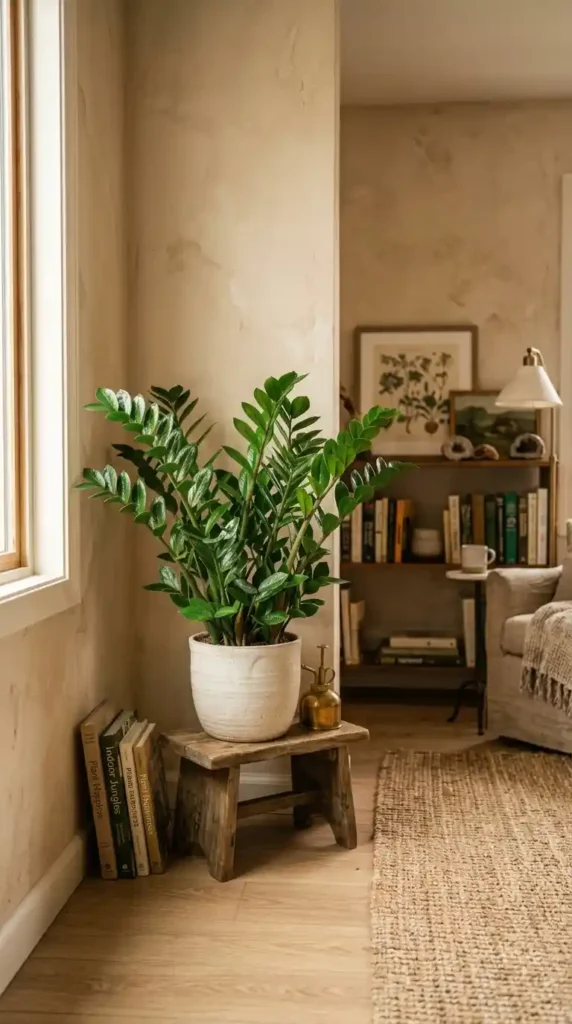
The ZZ plant is hailed as being “almost indestructible” . Native to Africa, it can survive months without water due to its ability to store water in potato-like tubers . It thrives in low light, making it perfect for offices and apartments with limited sunlight .
Water a ZZ plant only when the soil dries out completely, about every 3 to 4 weeks . It can tolerate even longer dry periods without issue . This plant is one of the best beginner plants for those who travel frequently or simply forget to water .
4. Marigolds: The Cheerful Outdoor Annual
✦ Best for: Garden beds, borders, and containers where bright, long-lasting color is wanted
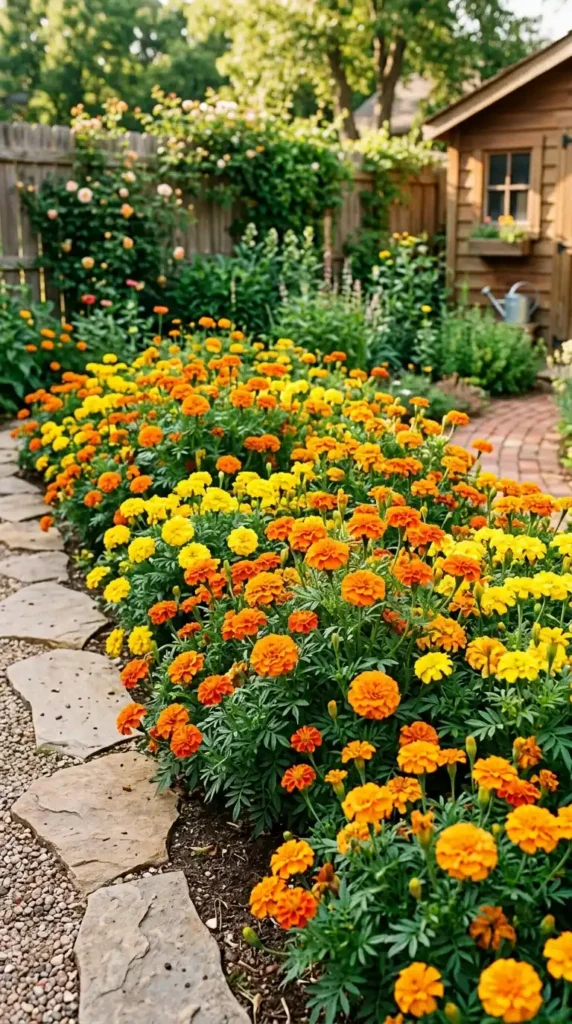
Marigolds are one of the easiest flowers for beginners to grow . They are bright, cheerful, and bloom for a long time with minimal care . They thrive in full sun, tolerate heat well, and don’t need much water .
Marigolds also help keep pests away from your garden, making them a valuable companion plant . Remove dead blossoms to keep new buds coming throughout the season . They grow quickly from seeds, giving beginners fast results and a sense of accomplishment .
5. Zinnias: The Colorful Cut-Flower Favorite
✦ Best for: Cutting gardens, borders, and sunny beds where you want non-stop color
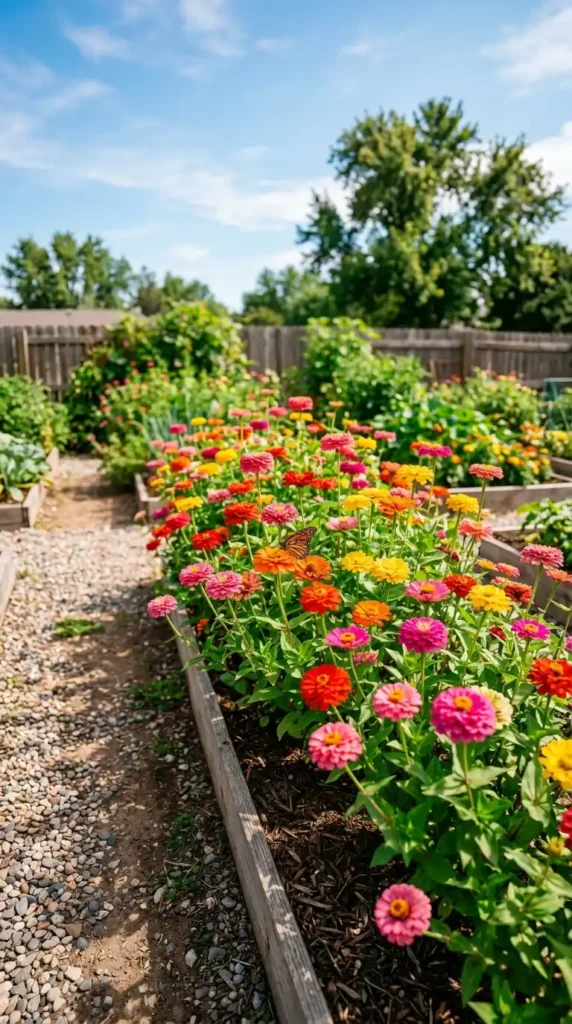
Zinnias are easy-to-grow annuals that produce long-lasting, colorful flowers with minimal care . They grow quickly from seed and can bloom in their first year . They thrive in full sun and well-drained soil and are drought-tolerant once established .
Tall varieties may need staking, but shorter varieties are perfect for borders and containers . Pinch off dead blooms to encourage continuous flowering . Zinnias are also excellent cut flowers and attract butterflies to your garden. They are one of the best plants for beginners who want quick, colorful results.
6. Salvia: The Easiest Perennial
✦ Best for: Sunny borders and garden beds where you want reliable color that returns every year
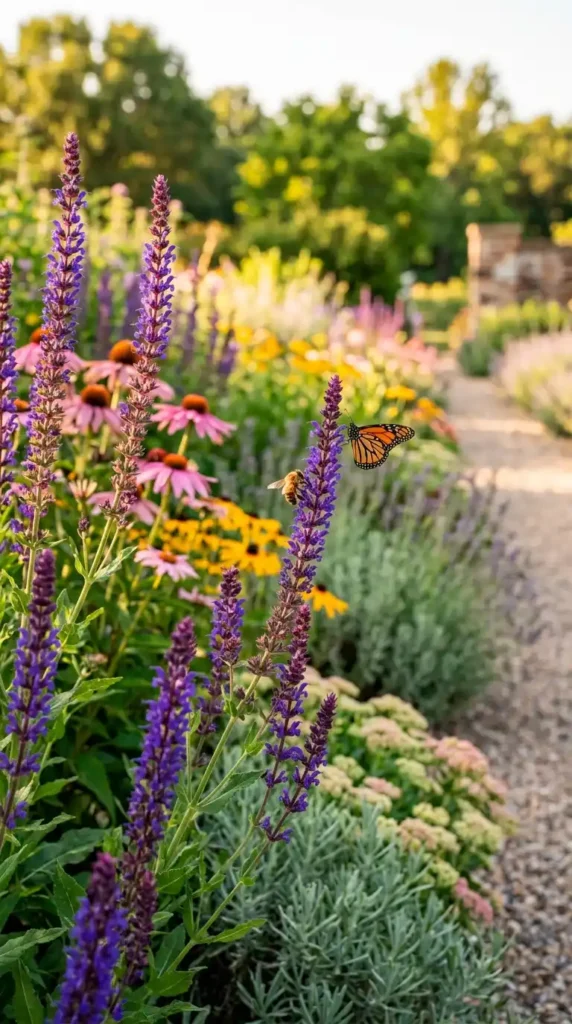
According to garden experts, salvia is the easiest perennial for beginners to maintain . It reliably returns each year and stays colorful until frost with several re-flushes of blooms . Salvia shrugs off heat, cold, and drought while offering vivid color and natural deer resistance .
Katie Rotella, gardening expert for Ball Horticultural Company, says, “This perennial reliably pops back up in my garden each spring and stays colorful until the frost with several re-flushes of blooms” . As a bonus, many salvia varieties develop coveted deep blue flowers, which are hard to find in other perennials . Their drought-resistant nature and low maintenance make them a perfect choice for an easy-care garden .
7. Coneflower (Echinacea): The Native Powerhouse
✦ Best for: Sunny borders and wildflower gardens where you want drought-tolerant perennials that return every year
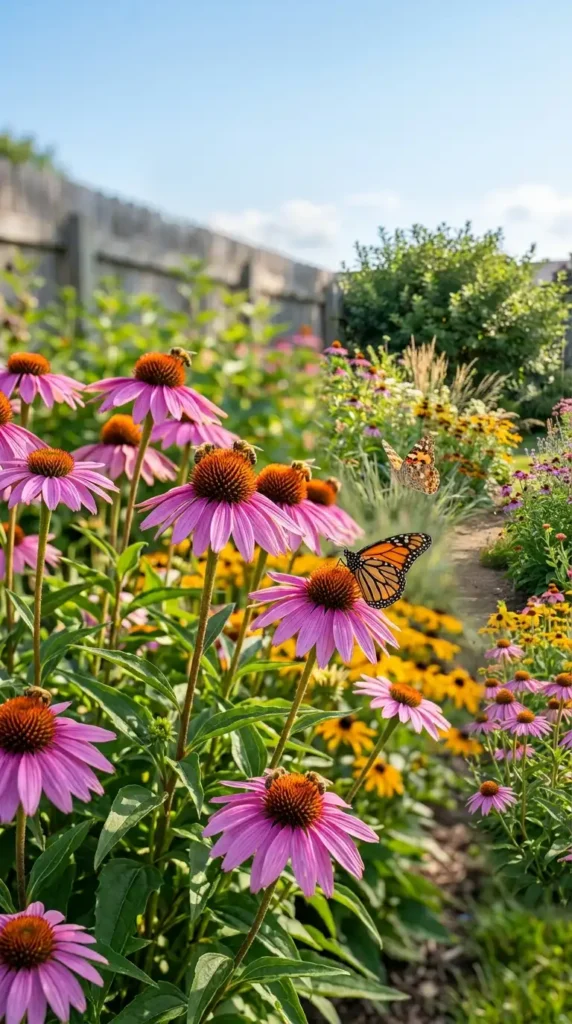
Coneflowers are among the most beloved perennials for beginners . They are tough, drought-tolerant, and bloom from summer into fall with daisy-like flowers in shades of purple, pink, red, orange, yellow, and white . They are native to North America and adapt to many climates.
Coneflowers are super easy to grow and attract pollinators like bees and goldfinches . They thrive in full sun and are drought-tolerant once established . They prefer well-draining, slightly sandy soil and benefit from deadheading to encourage continuous blooms through the summer . They are hardy in USDA zones 3 through 10, making them suitable for most American gardens.
Quick Care Tips for Beginner Plant Parents
Don’t overwater: The most common mistake beginners make is overwatering . Check the soil with your finger before watering . Most beginner plants prefer to dry out between waterings .
Drainage is key: Always use pots with drainage holes so excess water can escape . Soggy soil leads to root rot, the biggest killer of houseplants.
Observe your plants: Look at your plants every week, checking for new growth or yellow leaves . This helps you catch problems early.
Match plants to your space: Choose plants that fit your light conditions and lifestyle . If you travel often, choose drought-tolerant plants like snake plants or ZZ plants .
Frequently Asked Questions About Best Plants for Beginners
What are the easiest houseplants for beginners?
Snake plants, pothos, and ZZ plants are the most forgiving. They tolerate low light, irregular watering, and recover quickly from minor mistakes.
What outdoor plants are best for beginners?
Marigolds, zinnias, and coneflowers are the easiest to start with. All three are drought tolerant once established and produce results quickly enough to keep you motivated.
What are the easiest vegetables for beginners?
Leaf lettuce, radishes, and basil are among the easiest vegetables and herbs for beginners . Radishes mature in about three weeks, providing fast results . Leaf lettuce grows well in containers and provides continuous harvests .
What is the number one mistake beginners make with plants?
Overwatering. Most beginner-friendly plants want to dry out between waterings, and adding more water when a plant looks unhappy usually makes the problem worse.
How do I choose the right plant for my space?
Match the plant to your light first, then your schedule. Low light and a busy lifestyle points to a ZZ plant or snake plant. A sunny window and some free time opens up almost everything on this list.
Related Articles
Plants That Attract Dragonflies and Keep Mosquitoes Away
Plants That Attract Butterflies Every Gardener Should Grow
Flowers That Grow in Shade and Thrive Without Full Sun
Flowers That Are Safe for Cats and Beautiful for You
If I had to pick just one plant to start with it would be a pothos. It grows fast enough to show you it is happy, trails beautifully anywhere you put it, and is nearly impossible to kill even with inconsistent care.
For outdoors, start with marigolds from seed. They germinate in under a week, bloom within two months, and the whole process from seed packet to flower teaches you more about gardening than any guide can.
Pick one plant from this list, get it established, and add the next one once you feel confident. Building a collection slowly is how you actually develop the instincts that make gardening feel easy.

Sheikh Hassaan is a digital architect for small businesses and the founder of The Glow Up System. He writes about home decor, garden design, and outdoor living for real American homes – practical ideas that work in actual spaces without oversized budgets.