
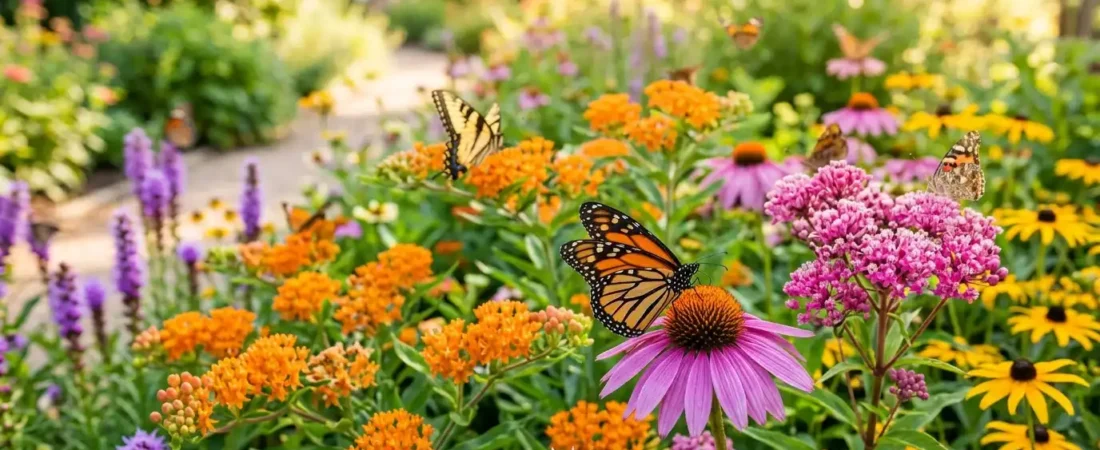
There is something magical about watching a butterfly flutter through your garden. The delicate wings, the vibrant colors, the graceful dance from flower to flower. These beautiful insects are not just a joy to watch. They are also essential pollinators that help your garden thrive. The right plants that attract butterflies can turn your yard into a living, fluttering paradise.
That is what makes plants that attract butterflies so valuable for American gardens, bringing color, movement, and life to your outdoor space from spring through fall.
This article covers ten of the best butterfly-attracting plants for American gardens, from native wildflowers to fragrant shrubs. Every suggestion includes growing zones, light requirements, and practical care tips. No vague recommendations. No unrealistic expectations. Just beautiful, nectar-rich plants that butterflies cannot resist.
Table of Contents
Why Some Plants Attract Butterflies
Butterflies are not just beautiful to look at. They are also important pollinators that help plants reproduce. They are attracted to flowers for two main reasons: nectar for food and host plants for laying eggs. Nectar plants provide the sugar-rich fuel that adult butterflies need for energy. Host plants are where butterflies lay their eggs, and their caterpillars feed on the leaves.
Butterflies are particularly drawn to brightly colored flowers in shades of red, orange, yellow, purple, and pink. They prefer flowers with a landing platform, such as flat-topped clusters or daisy-like blooms where they can perch while feeding. They also prefer simple, open flowers where they can easily access the nectar.
Native plants are often the best choice for attracting butterflies because they have co-evolved with local butterfly species. By planting a mix of nectar plants and host plants, you can support butterflies throughout their entire life cycle.
1. Butterfly Bush (Buddleia): The Classic Choice
✦ Best for: Sunny borders where you want a fast-growing shrub that produces abundant fragrant flowers
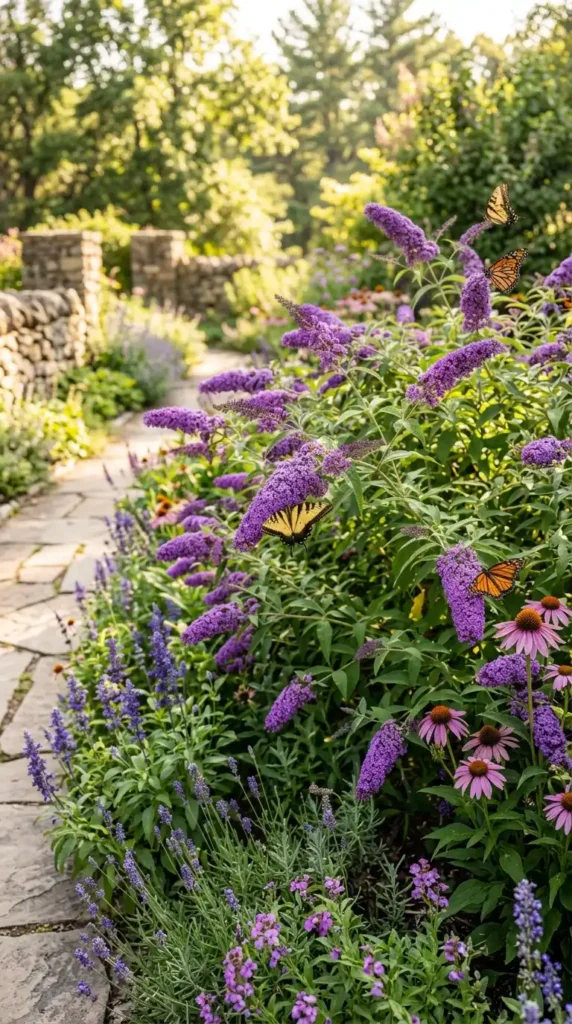
Butterfly bush is the ultimate butterfly magnet. Its fragrant, cone-shaped flower clusters produce an abundance of nectar that butterflies find irresistible. The plant lives up to its name, drawing in swarms of butterflies from summer through fall.
Buddleia grows quickly and can reach 5 to 10 feet tall, depending on the variety. For smaller gardens, choose compact varieties like ‘Pugster’ or ‘Miss Ruby’ that stay under 5 feet. Buddleia is deer-resistant, drought-tolerant once established, and requires full sun and well-drained soil. Prune back hard in early spring for the best flower production.
To limit self-seeding, deadhead spent flowers or choose sterile varieties.
2. Coneflower (Echinacea): The Native Powerhouse
✦ Best for: Sunny borders and wildflower gardens where long-blooming, drought-tolerant color is wanted
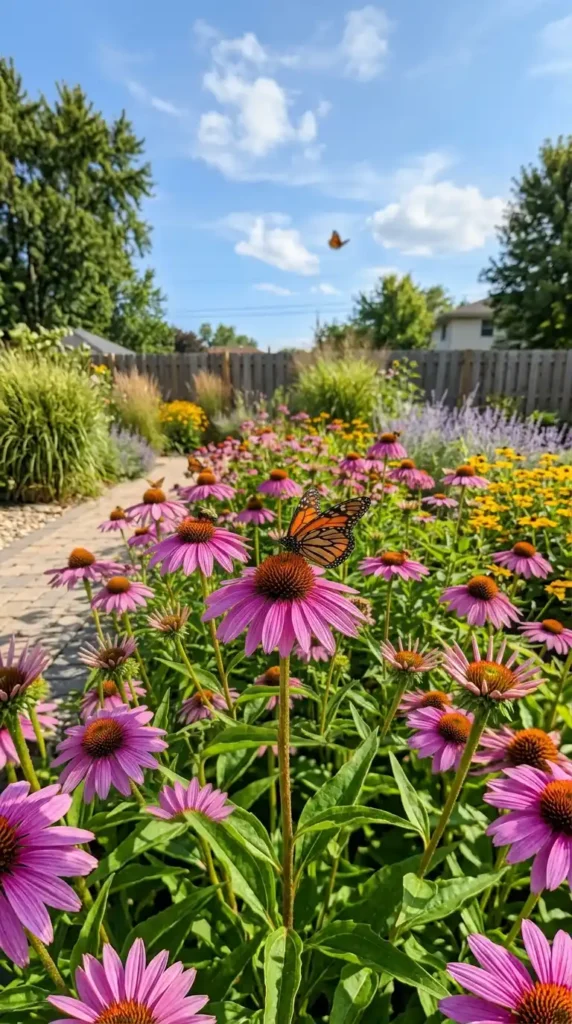
Coneflowers are one of the best plants for attracting butterflies in North America. Their large, daisy-like flowers with raised centers provide a perfect landing pad and abundant nectar. They bloom from summer through fall, providing a long season of color.
Echinacea is a native perennial that is hardy in USDA zones 3 through 9. It is drought-tolerant, deer-resistant, and low-maintenance. Coneflowers come in shades of purple, pink, white, red, orange, and yellow. ‘Magnus’ is a classic variety with large rosy blooms, while ‘PowWow Wild Berry’ is a compact choice for smaller gardens.
Leave spent flower heads on the plant in winter to provide seeds for birds and a resting place for insects.
3. Milkweed (Asclepias): The Monarch Host Plant
✦ Best for: Naturalized gardens and meadows where you want to support monarch butterfly populations
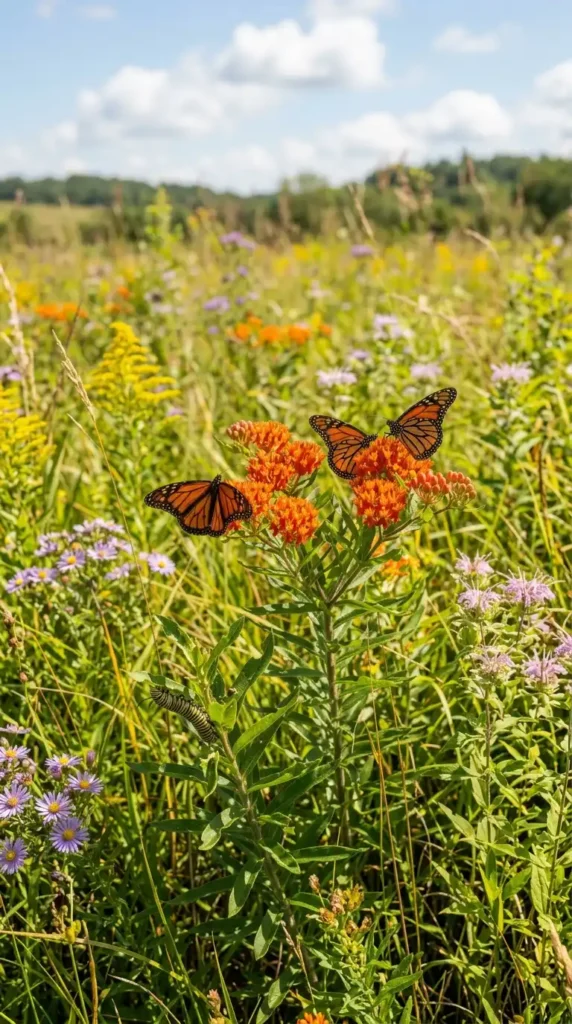
Milkweed is essential for monarch butterflies. It is the only plant that monarch caterpillars eat, making it a critical host plant for their survival. The flowers produce abundant nectar that butterflies love, and they provide a place to lay eggs and a food source for growing caterpillars.
There are many varieties of milkweed native to North America. Butterfly weed (Asclepias tuberosa) has bright orange flowers and is more garden-friendly than common milkweed. Swamp milkweed (Asclepias incarnata) prefers moist soil and has beautiful pink flowers.
Milkweed requires full sun and well-drained soil. It is hardy in USDA zones 3 through 9. It is important to plant enough milkweed to support a breeding population.
4. Lavender: Fragrant and Butterfly-Friendly
✦ Best for: Sunny, dry spots where you want fragrance and drought-tolerant blooms that attract butterflies
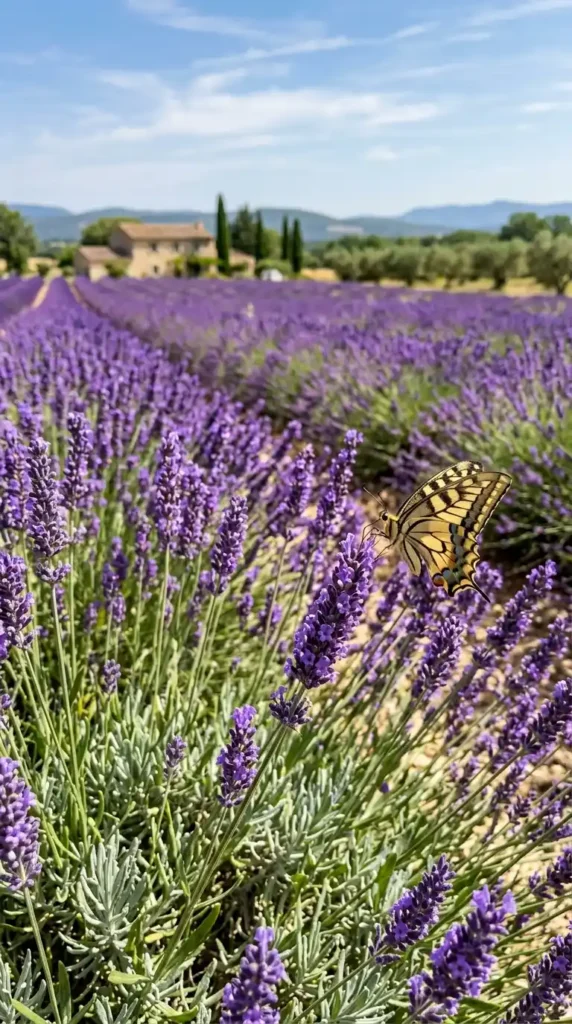
Lavender is not just for aromatherapy. It is also a powerful butterfly magnet. Its fragrant purple, blue, or white flower spikes are rich in nectar and attract a wide range of butterflies and bees.
Lavandula is a Mediterranean native that thrives in full sun and well-drained, dry soil. It is drought-tolerant once established and deer-resistant. Lavender is hardy in USDA zones 5 through 9. Prune regularly to encourage new growth and to keep its shape.
Choose varieties like ‘Phenomenal’ or ‘Hidcote’ for exceptional fragrance and flower production. Plant lavender in mass for the most dramatic effect.
5. Black-Eyed Susan: Cheerful Summer Color
✦ Best for: Full-sun spots where you want bright yellow flowers that attract butterflies from summer through fall
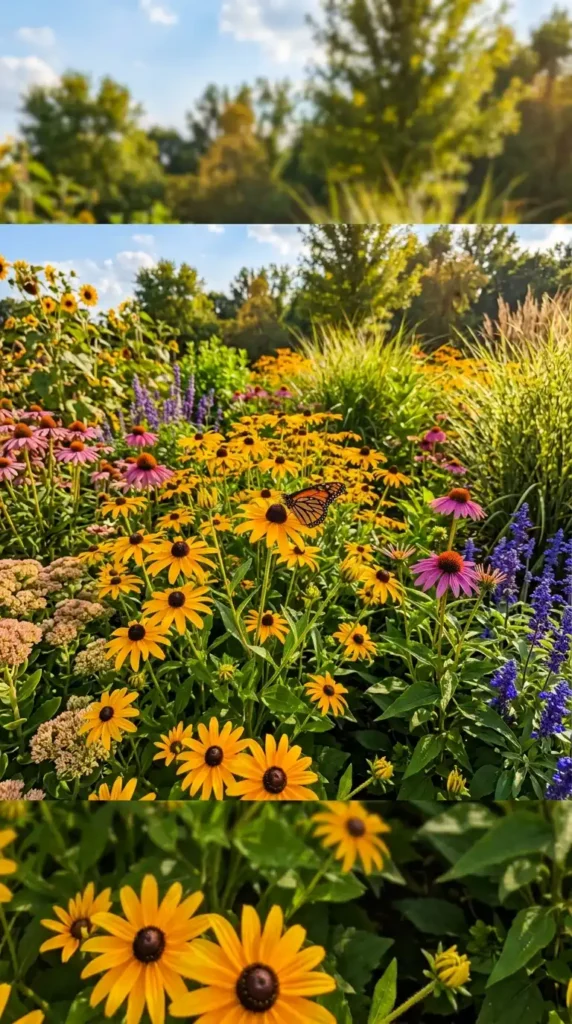
Black-eyed Susans are a staple of American gardens for their cheerful yellow petals and dark chocolate centers. They bring sunshine to any garden and are a favorite nectar source for butterflies.
Rudbeckia is a native perennial that is hardy in USDA zones 3 through 9. It blooms from summer through fall, providing a long season of color. Black-eyed Susans are tough, drought-tolerant, and low-maintenance.
Plant black-eyed Susans in full sun with well-drained soil. Pair them with coneflowers, butterfly bush, and salvia for a stunning butterfly garden.
6. Bee Balm (Monarda): The Hummingbird Favorite
✦ Best for: Sunny to partially shaded gardens where you want to attract butterflies, hummingbirds, and bees
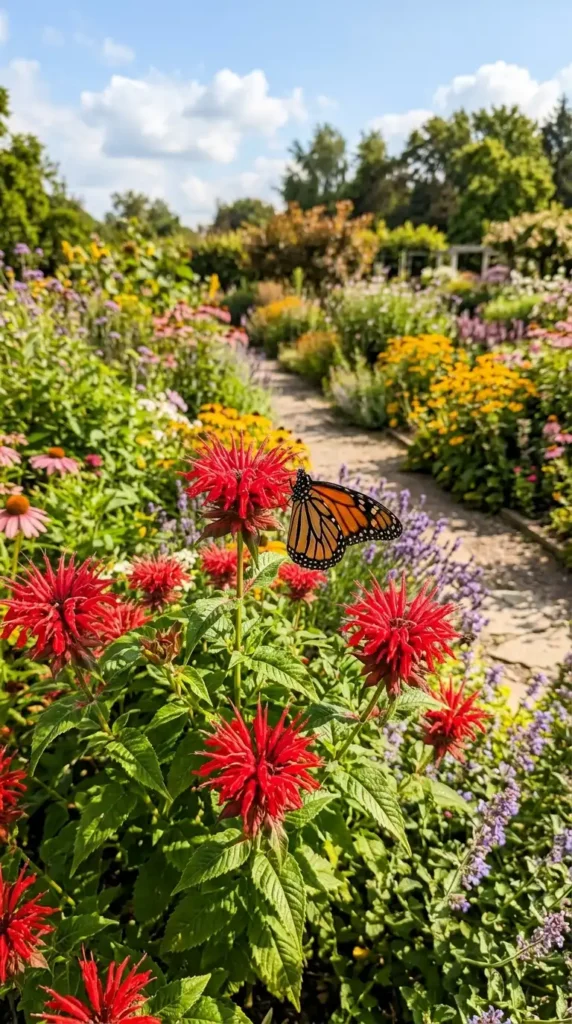
Bee balm is a fantastic plant for attracting butterflies. Its bright, colorful blooms are rich in nectar and bloom in mid-summer, a critical time for pollinators.
Monarda is a North American native that is hardy in USDA zones 3 through 9. It comes in shades of red, pink, purple, and white. ‘Jacob Cline’ is a popular red variety, while ‘Raspberry Wine’ is a stunning dark pink.
Bee balm prefers full sun to partial shade and moist, well-drained soil. It can spread quickly, so divide clumps every 2 to 3 years. It is prone to powdery mildew, so ensure good air circulation.
7. Phlox: Fragrant and Colorful
✦ Best for: Sunny borders where you want fragrant, colorful flowers that attract butterflies in summer
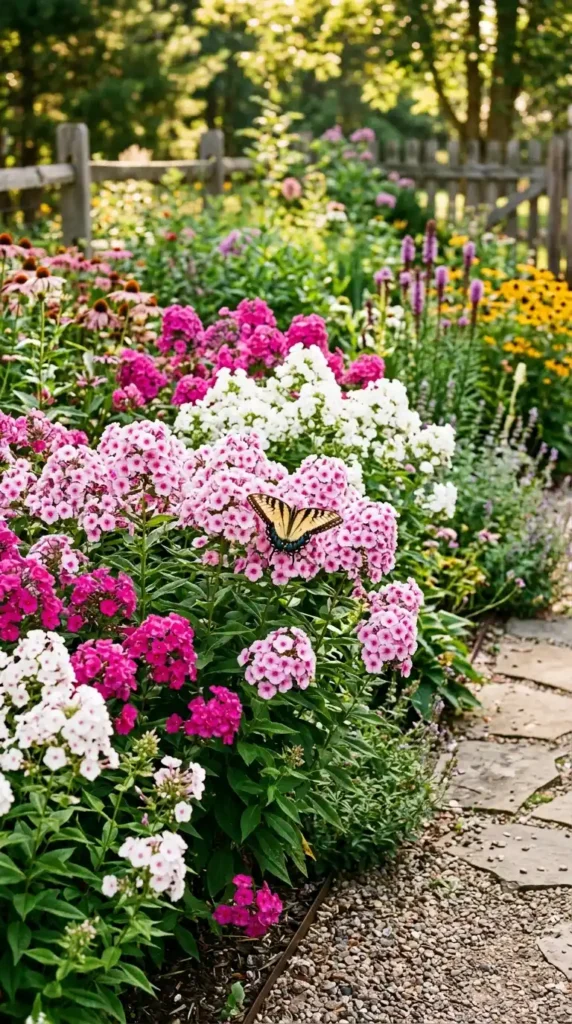
Garden phlox is a classic perennial that produces large, fragrant flower clusters in shades of pink, red, purple, white, and orange. Its bright colors and abundant nectar make it a favorite of butterflies and gardeners alike.
Phlox paniculata is hardy in USDA zones 4 through 8 and blooms from mid-summer through fall. It prefers full sun and well-drained soil. Regular deadheading encourages continuous blooms.
Choose mildew-resistant varieties like ‘David’ or ‘Flame’ series for better performance in humid climates.
8. Coreopsis: Tickseed Sunshine
✦ Best for: Sunny, dry spots where you want long-blooming, cheerful yellow flowers
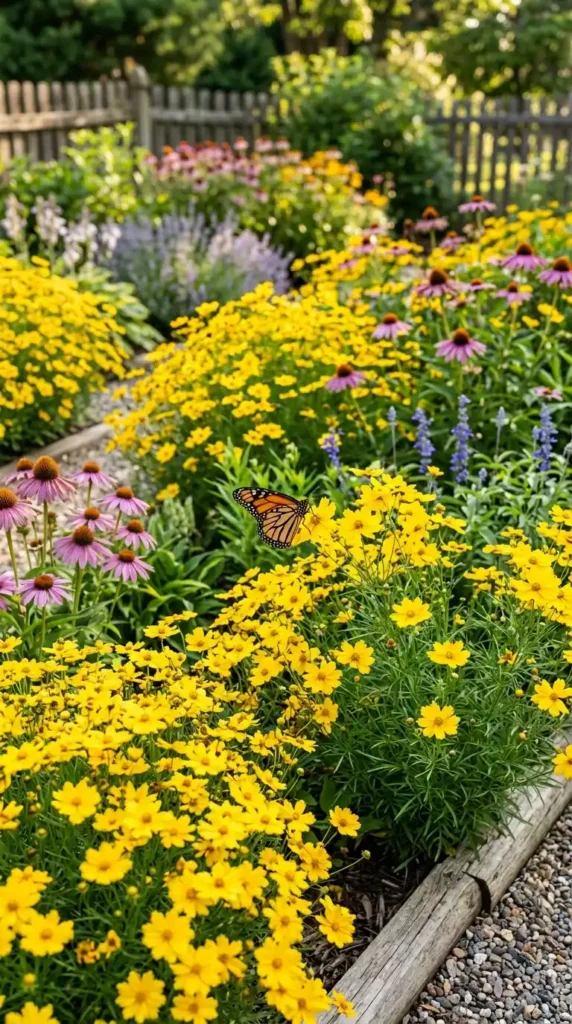
Coreopsis, also known as tickseed, is a cheerful perennial that produces masses of bright yellow, orange, or red flowers from summer through fall. Its abundant nectar is a favorite of butterflies and bees.
Coreopsis is a North American native that is drought-tolerant, deer-resistant, and low-maintenance. It is hardy in USDA zones 3 through 9 and prefers full sun with well-drained soil.
Varieties like ‘Creme Brulee’ and ‘Shasta’ are excellent choices for sunny borders and butterfly gardens.
9. Zinnias: The Annual Favorite
✦ Best for: Annual beds and containers where you want non-stop color that butterflies love
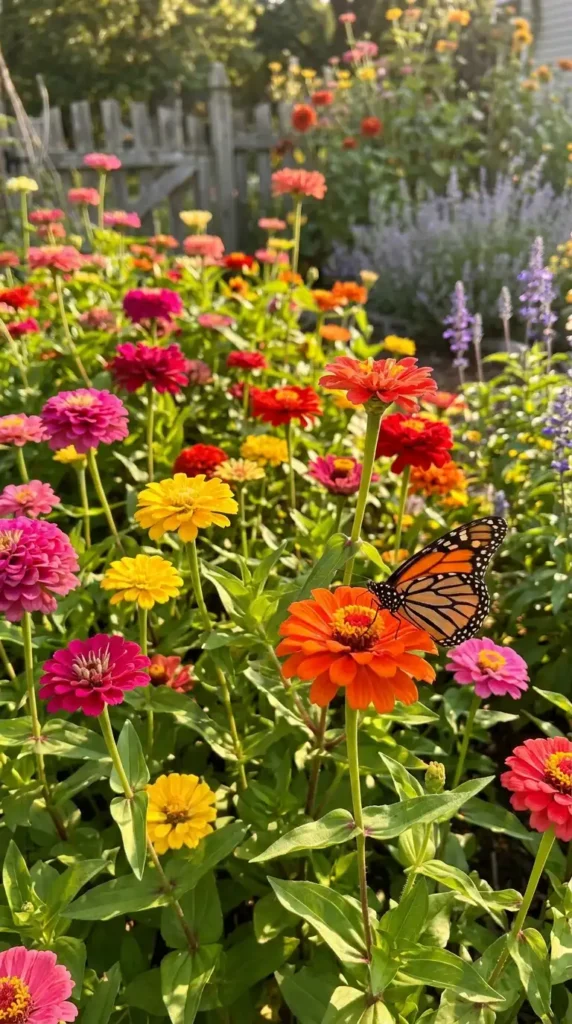
Zinnias are one of the best annuals for attracting butterflies. Their bright, daisy-like blooms are rich in nectar and bloom from summer until the first frost.
Zinnias are easy to grow from seed and come in an incredible range of colors, shapes, and sizes. They prefer full sun and well-drained soil. Regular deadheading encourages continuous blooms.
Zinnia ‘California Giant’ and ‘Benary’s Giant’ are favorites for cutting gardens and butterfly gardens.
10. Salvia: The Pollinator Magnet
✦ Best for: Sunny gardens where you want long-blooming, deer-resistant color that butterflies and bees love
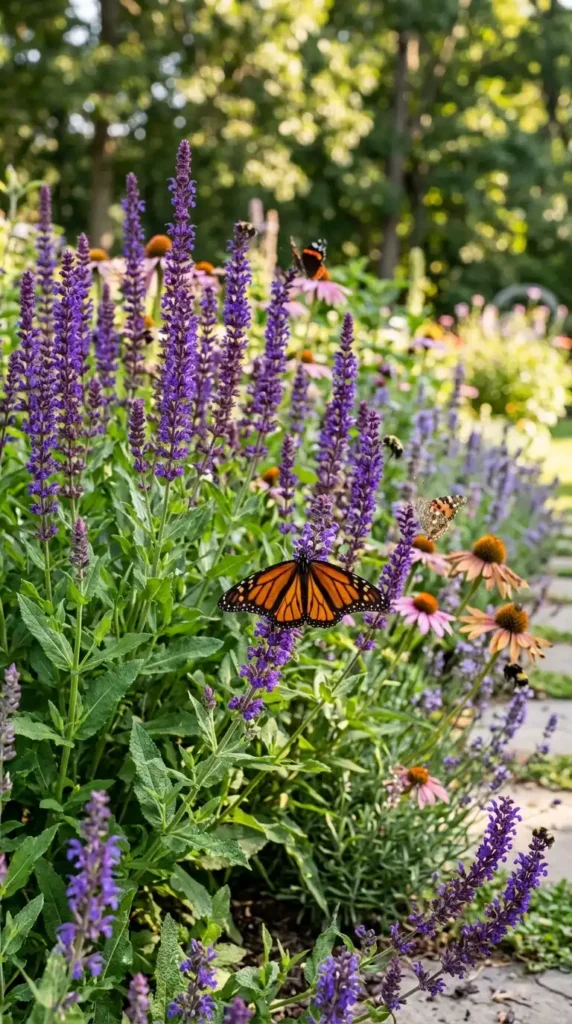
Salvia is a fantastic plant for attracting butterflies and bees. Its tall spikes of tubular flowers produce abundant nectar that pollinators find irresistible.
Salvia is hardy in USDA zones 4 through 10 and blooms from summer through fall. It is drought-tolerant and deer-resistant once established, making it a perfect choice for low-maintenance gardens.
Choose varieties like ‘May Night’ or ‘Caradonna’ for exceptional color and butterfly appeal.
Frequently Asked Questions About Plants That Attract Butterflies
What are the best plants that attract butterflies?
The best butterfly-attracting plants include butterfly bush, coneflower, milkweed, lavender, black-eyed Susan, bee balm, phlox, coreopsis, zinnias, and salvia. These plants offer abundant nectar, bright colors, and a landing platform for butterflies. Host plants like milkweed are essential for supporting butterfly populations.
What colors attract butterflies to flowers?
Butterflies are particularly drawn to brightly colored flowers, especially red, orange, yellow, purple, and pink. They are also attracted to fragrant flowers. Butterflies have good color vision and prefer simple, open flowers where they can easily perch and access nectar.
What flowers do monarch butterflies like best?
Monarch butterflies are attracted to milkweed as a host plant and nectar sources like butterfly bush, coneflower, and black-eyed Susan. Milkweed is essential for monarch reproduction, as it is the only plant their caterpillars eat. Plant a mix of milkweed varieties for the best results.
What is the best butterfly garden layout?
The best butterfly garden includes a mix of nectar plants and host plants in a sunny, sheltered location. Mass similar plants together for high-impact color and easier access for butterflies. Include flat stones for basking, a shallow water source, and avoid pesticides.
Related Articles
Flowers That Are Safe for Cats and Beautiful for You
10 Flowers That Come Back Every Year and Keep Your Garden Blooming
Flowers That Bloom at Night and Transform Your Garden After Dark
Flowers That Attract Hummingbirds and Bring Your Garden to Life
A garden full of butterflies is a garden full of life. Plant the right flowers, and you will be rewarded with the delicate dance of wings from spring through fall.

Sheikh Hassaan is a digital architect for small businesses and the founder of The Glow Up System. He writes about home decor, garden design, and outdoor living for real American homes – practical ideas that work in actual spaces without oversized budgets.