
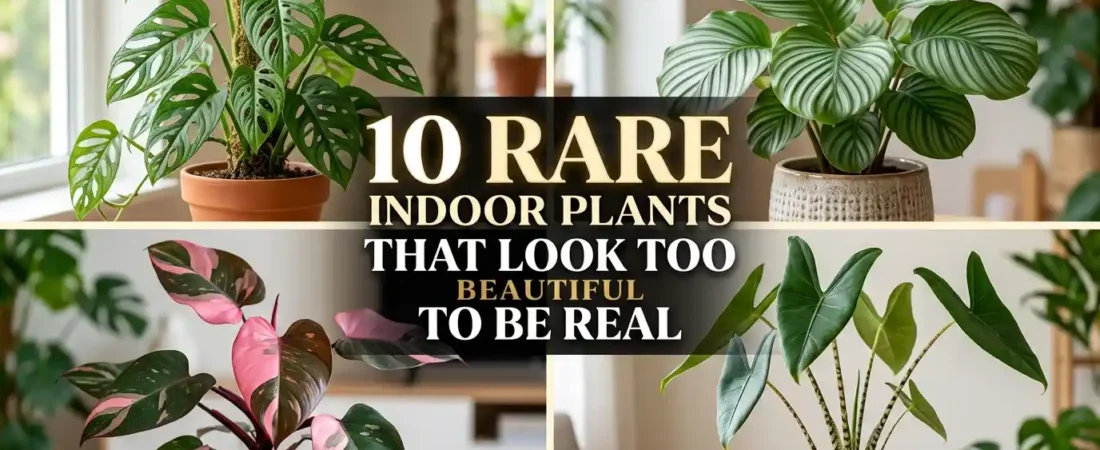
The world of houseplants has exploded in popularity, and with it, a fascination for the unusual, the hard-to-find, and the breathtakingly beautiful. Rare indoor plants are the crown jewels of any plant collection. They are conversation starters, statement pieces, and for many, a rewarding challenge for the green-thumbed enthusiast.
But what exactly makes a plant “rare”? It could be its unique variegation, its slow growth rate, or its specific and demanding care requirements. This guide explores ten of the most sought-after rare indoor plants, offering insights into what makes them special and how to care for them.
Table of Contents
What Makes a Houseplant Rare?
Before diving into the list, it is helpful to understand what earns a plant the “rare” label.
- Limited Availability: Some plants are simply not mass-produced. They may be slow-growing, difficult to propagate, or native to a very specific region.
- Unique Variegation: Plants with unstable or highly sought-after variegation, like the Monstera ‘Thai Constellation’, are often rare and expensive.
- Specific Care Needs: A plant that is notoriously difficult to care for might be considered rare because few people can keep it alive long enough to propagate it.
- New Discoveries: New species or cultivars that have not yet hit the mass market are considered rare.
1. Monstera Obliqua: The Swiss Cheese Plant’s Rare Cousin
✦ Best for: Experienced plant parents who want a challenge and a true collector’s item
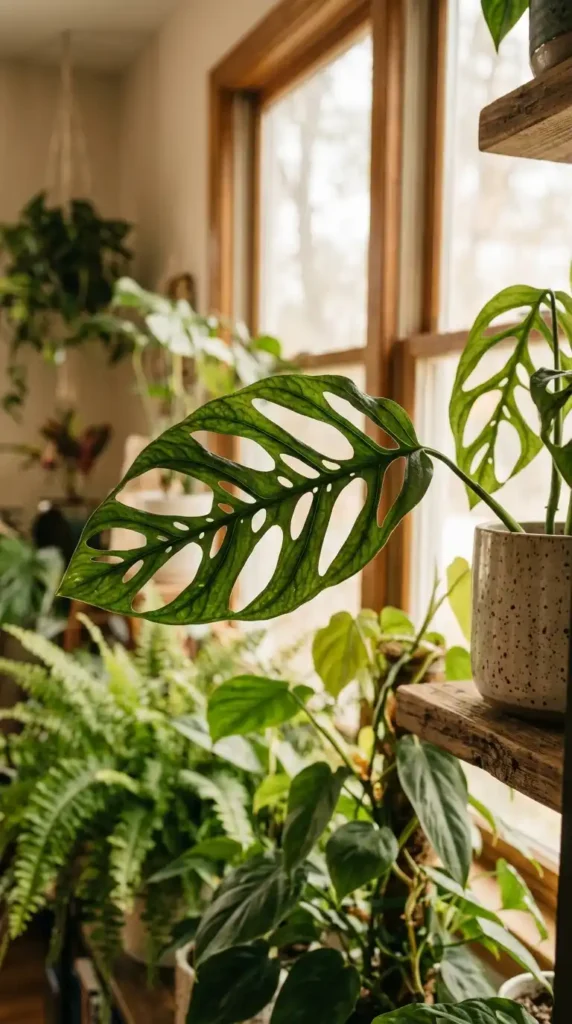
Monstera obliqua is often confused with its more common cousin, the Monstera adansonii, but they are very different. The obliqua is famous for its incredibly thin leaves that are more hole than leaf, making it look like a delicate skeleton.
- Why It Is Rare: It is incredibly slow-growing and difficult to propagate. It also needs extremely high humidity to thrive, making it a challenge for most indoor environments.
- Care Level: Expert. Requires very high humidity (70-90%), bright indirect light, and consistent moisture without waterlogging. It is best suited for a greenhouse or a large terrarium.
2. Philodendron Gloriosum: The Velvet Beauty
✦ Best for: Plant parents who love large, velvety leaves and a stunning centerpiece plant
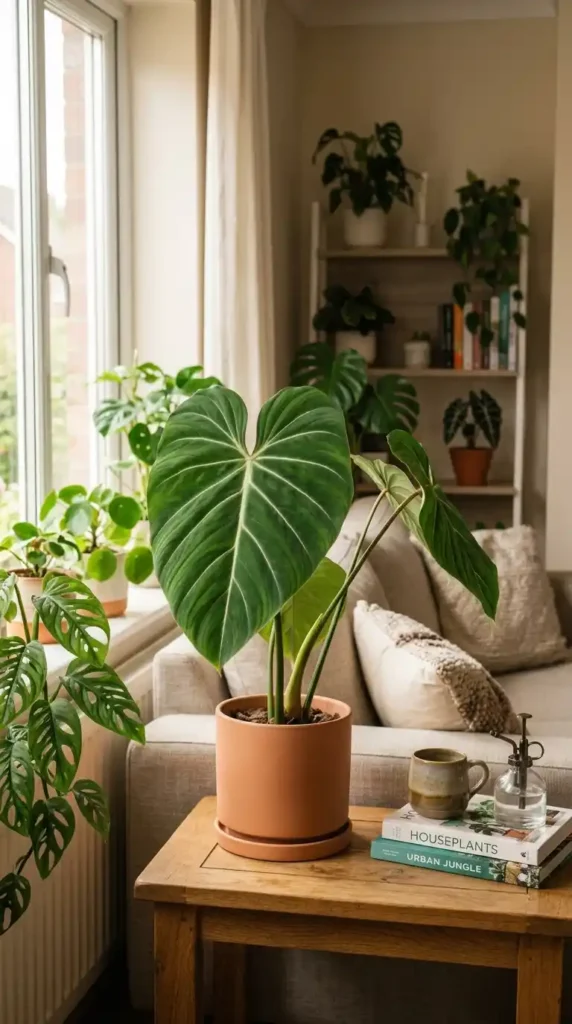
The Philodendron gloriosum is a showstopper. It is a crawling plant, meaning it grows horizontally rather than climbing. Its large, heart-shaped leaves have a deep green, velvety texture with striking white veins.
- Why It Is Rare: Its slow growth and specific needs for high humidity and warm temperatures make it less common. It is also highly sought after for its stunning foliage.
- Care Level: Intermediate. It needs bright, indirect light, high humidity, and a loose, well-draining soil mix. It prefers to stay consistently moist but not waterlogged.
3. Monstera Thai Constellation: The Variegated Icon
✦ Best for: Plant lovers who want a show-stopping variegated plant and have patience

The Monstera Thai Constellation is a highly desired variegated form of the popular Monstera deliciosa. Its large leaves are splashed with creamy white variegation, making each leaf a unique piece of art.
- Why It Is Rare: Stable variegation is not easy to achieve. Thai Constellations are tissue-cultured, making them more stable than some other variegated plants, but they are still produced in limited quantities.
- Care Level: Intermediate. It needs bright, indirect light to maintain its variegation. It prefers high humidity and consistent moisture. Overwatering can lead to root rot, especially in the variegated sections.
4. Alocasia Dragon Scale: The Metallic Gem
✦ Best for: Fans of unique foliage with a metallic sheen and a compact size
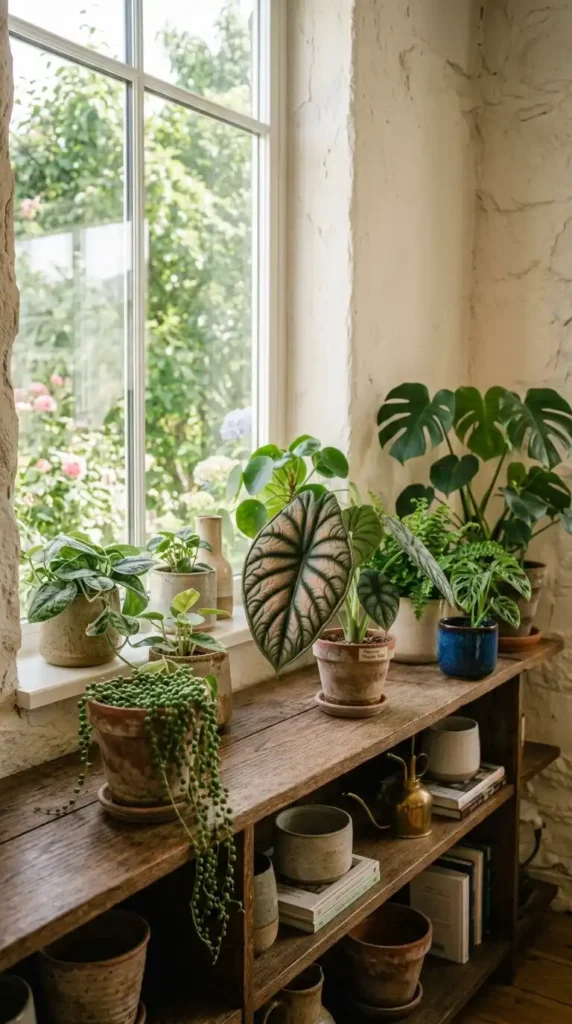
The Alocasia dragon scale is a jewel alocasia, prized for its unique, almost metallic-looking leaves. The deep green, textured foliage resembles the scales of a mythical dragon.
- Why It Is Rare: Jewel alocasias are generally slow-growing and can be sensitive to changes in their environment. They are also prone to going dormant in winter.
- Care Level: Intermediate. It requires bright, indirect light, high humidity, and a well-draining potting mix. It prefers consistently moist soil. It is sensitive to drafts and temperature fluctuations.
5. Anthurium Warocqueanum: The Queen of Anthuriums
✦ Best for: Collectors who have the space and humidity for a plant with massive, velvety leaves
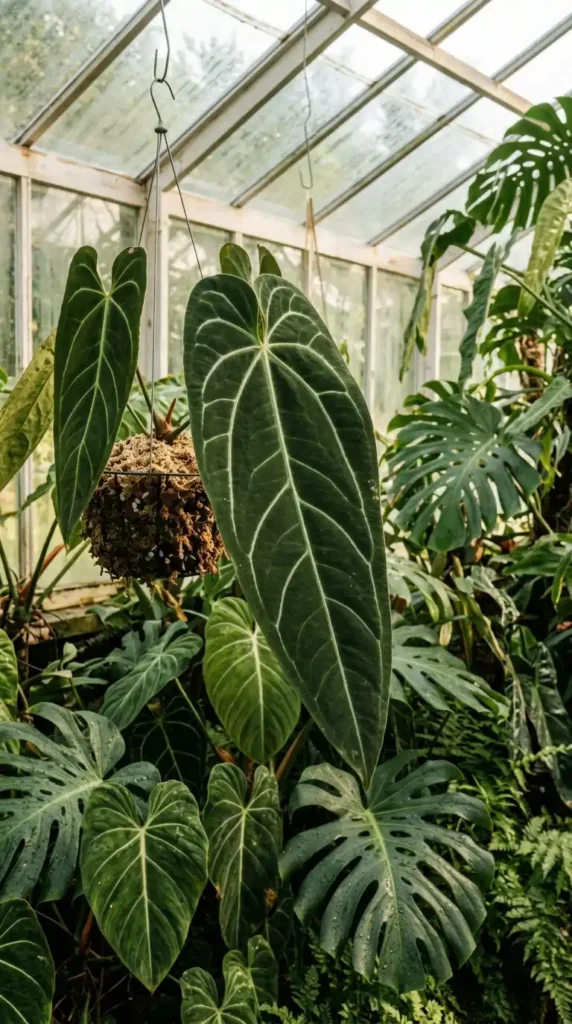
Anthurium warocqueanum, often called the “Queen Anthurium,” is famous for its elongated, velvety, dark green leaves with prominent silver-white veins. It is a truly majestic plant.
- Why It Is Rare: It demands near-perfect conditions, making it difficult to grow and expensive to acquire.
- Care Level: Expert. It needs very high humidity, bright indirect light, and a warm, draft-free environment. It is sensitive to both overwatering and underwatering.
6. Hoya Carnosa Compacta ‘Hindu Rope’: The Twisted Wonder
✦ Best for: Plant lovers who enjoy unique shapes and fragrant flowers
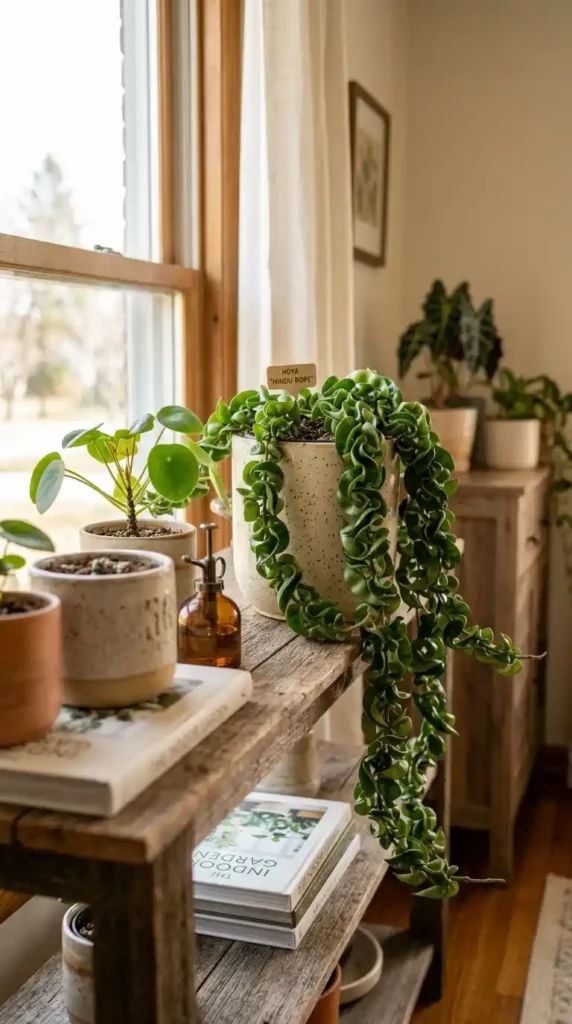
The Hoya carnosa compacta, commonly known as the Hindu Rope plant, is a fascinating plant with its tightly curled, twisted, rope-like leaves. It is a slow-growing hoya that also produces beautiful clusters of fragrant, star-shaped flowers.
- Why It Is Rare: It is a slow grower, taking years to reach a substantial size. It is often out of stock due to its popularity.
- Care Level: Easy to Intermediate. It prefers bright, indirect light and will bloom best in brighter conditions. It is drought-tolerant and should be watered only when the soil is dry.
7. Begonia Pavonina: The Iridescent Jewel
✦ Best for: Plant enthusiasts who love a unique iridescent effect and colorful leaves
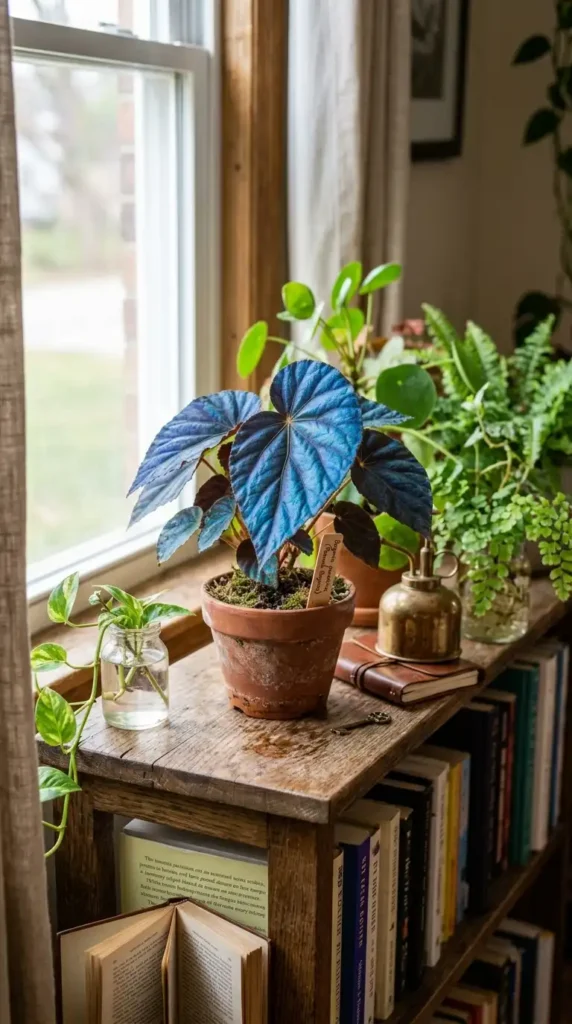
The Begonia pavonina is a stunning terrarium plant that is famous for its iridescent blue sheen. In low light, the leaves appear to glow with a metallic blue-purple color.
- Why It Is Rare: It has very specific needs for high humidity, low light, and is not a beginner plant.
- Care Level: Expert. It needs very high humidity and low to medium light. It is best grown in a terrarium.
8. Albo Variegated Monstera Deliciosa: The Holy Grail
✦ Best for: Serious collectors with deep pockets and a love for white variegation
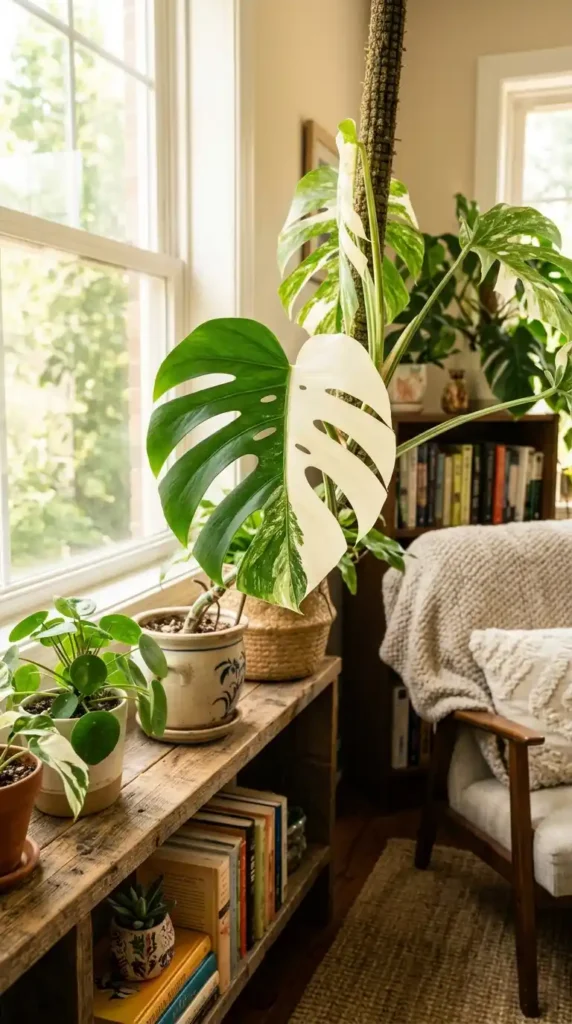
The Albo variegated Monstera deliciosa is often considered the holy grail of indoor plants. Unlike the stable tissue-cultured Thai Constellation, the Albo is a chimera, meaning its variegation is a genetic mutation that is unstable.
- Why It Is Rare: Its unstable variegation makes it difficult to propagate. Each cutting must have a white streak on the stem to produce variegated leaves.
- Care Level: Intermediate. It needs bright, indirect light to maintain its variegation. It is sensitive to overwatering. Its highly prized nature also makes it incredibly expensive.
9. Variegated String of Hearts: The Trailing Beauty
✦ Best for: Plant lovers who want a trailing plant with beautiful variegation and pink hues
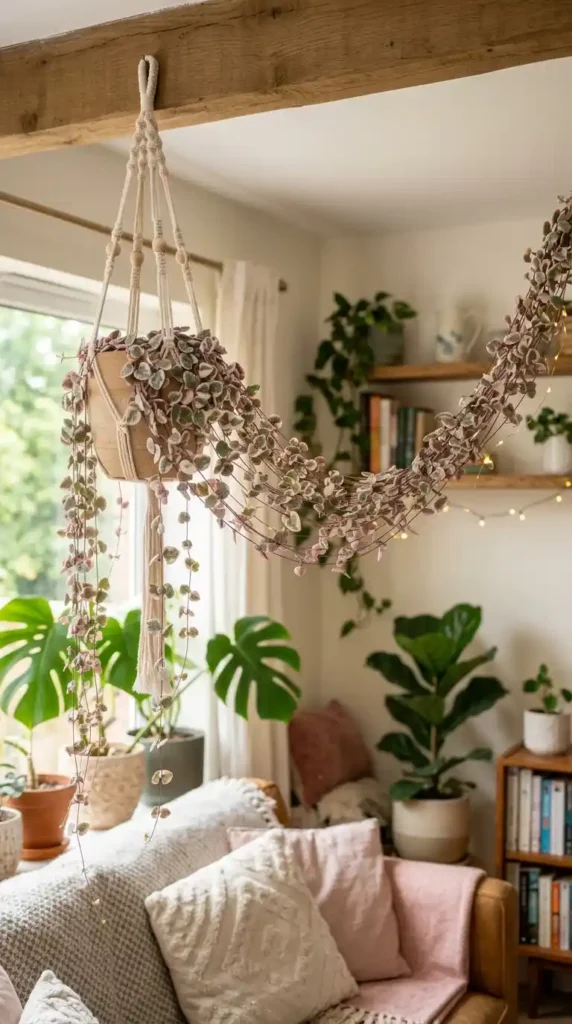
The variegated string of hearts is a gorgeous, trailing succulent with beautiful heart-shaped leaves splashed with pink and cream. It is a stunning plant that looks perfect in a hanging basket.
- Why It Is Rare: Its popularity makes it sell out quickly.
- Care Level: Easy. It is a succulent that needs bright, indirect light to maintain its pink variegation. It is drought-tolerant and should be watered sparingly.
10. Philodendron Melanochrysum: The Velvet Black
✦ Best for: Collectors who love velvety, dark foliage that glows
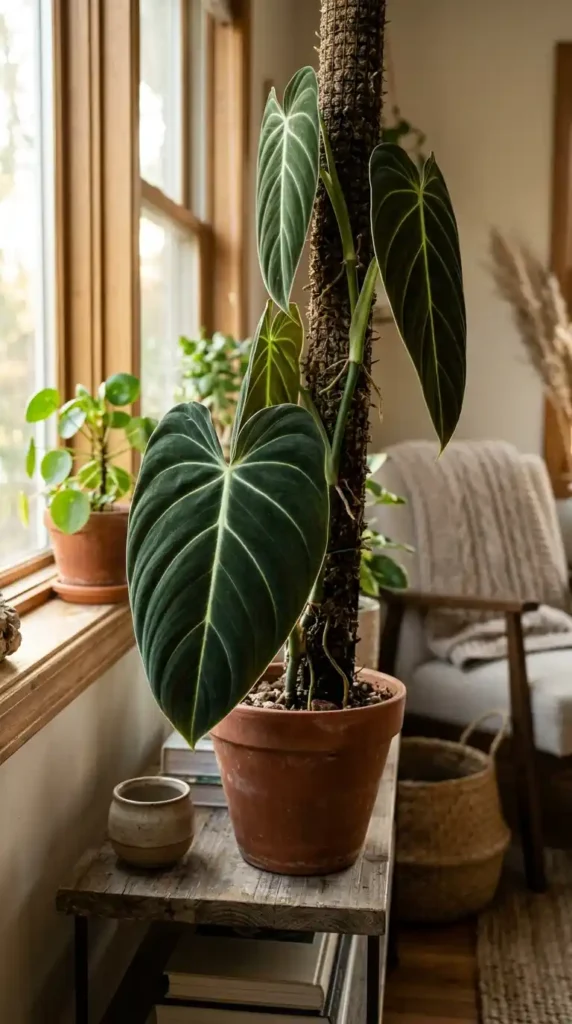
Philodendron melanochrysum is a stunning plant that is often called the “black velvet philodendron.” Its large, elongated, heart-shaped leaves have a rich, dark green, velvety texture with distinctive contrasting veins. As the plant grows, the leaves can become huge, making it a magnificent specimen.
- Why It Is Rare: It is a slow-growing climber that requires high humidity and specific conditions to thrive.
- Care Level: Intermediate to Expert. It needs bright indirect light, high humidity, and a moss pole to climb. It prefers consistently moist, well-draining soil.
Frequently Asked Questions About Rare Indoor Plants
1. What is the rarest indoor plant?
Several plants compete for this title. The Monstera obliqua and the Albo variegated Monstera deliciosa are frequently cited as some of the rarest and most expensive houseplants in the world.
2. Are rare plants harder to care for?
Often, yes. Rare plants are often rare because they are slow-growing or have specific needs, such as high humidity, that are challenging to replicate in a typical home.
3. How do I find rare indoor plants?
- Specialty Plant Shops: Many cities now have plant stores that specialize in rare and unusual plants.
- Online Auctions and Marketplaces: Sites like Etsy and specialized Facebook groups are popular places to find rare plants.
- Plant Swaps: Join local plant groups to trade cuttings.
4. Why are some indoor plants so expensive?
The price is driven by supply and demand. The demand is often high, but the supply is limited due to slow growth, difficulty in propagation, or the plant’s unique variegation.
5. What is the easiest rare plant for beginners?
The variegated string of hearts and the Hoya Hindu Rope are great starting points. They are relatively easy to care for and do not require the intense humidity that many other rare plants need.
Related Articles
Indoor Plant Trellis: 7 Ways to Support Your Climbing Houseplants
Never Buy Rosemary Again: Grow Rosemary Plant Indoors
Easy Indoor Plants: 10 Foolproof Picks for Beginners
Large Indoor Plants That Make a Statement in Any Room
Rare indoor plants are the gems of the plant world. They offer a rewarding challenge and a unique beauty that makes them the centerpiece of any collection.

Sheikh Hassaan is a digital architect for small businesses and the founder of The Glow Up System. He writes about home decor, garden design, and outdoor living for real American homes – practical ideas that work in actual spaces without oversized budgets.