
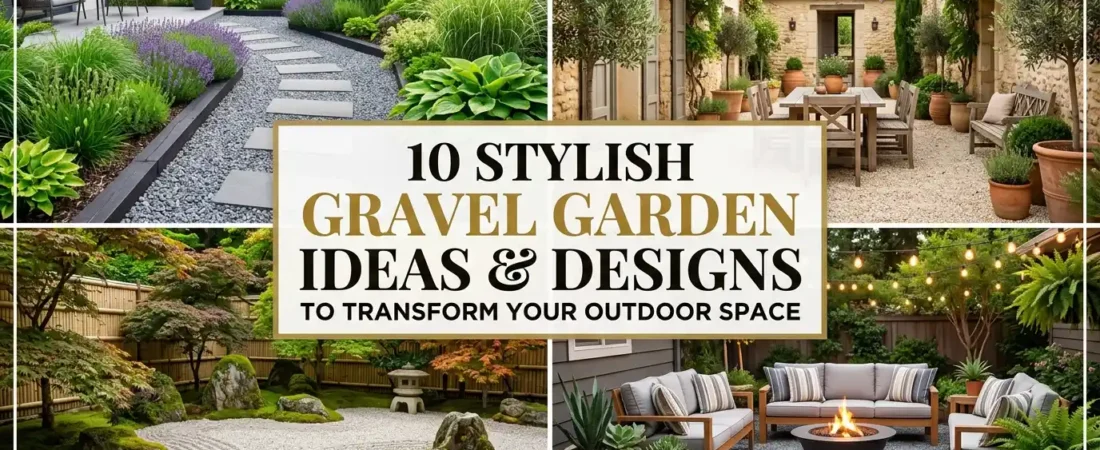
A gravel garden is more than just a practical solution for dry or tricky soil. It is a design choice that can bring texture, structure, and a relaxed Mediterranean feel to your outdoor space. With their fantastic drainage and low-maintenance appeal, gravel gardens are ideal for busy lifestyles and can be a beautiful, sustainable alternative to a traditional lawn.
This guide explores ten gravel garden ideas, from vibrant Mediterranean planting to calming zen designs. Whether you have a small front yard or a spacious backyard, there is a gravel garden idea to suit your space and style.
Table of Contents
1. Mediterranean-Inspired Gravel Garden
✦ Best for: Sunny, dry spots where you want a relaxed, aromatic feel
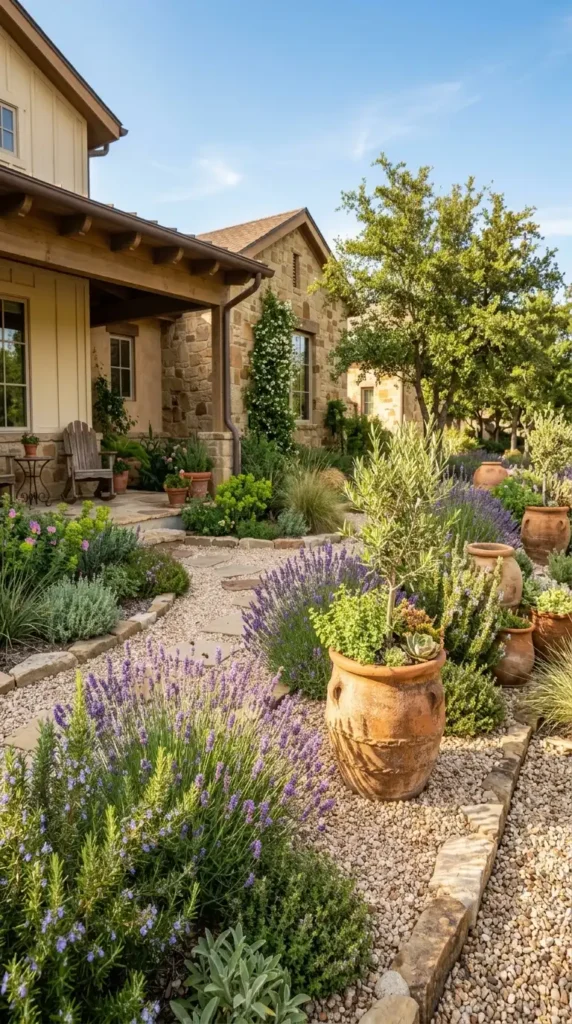
This style is the classic gravel garden, ideal for a sunny, well-drained spot. It draws inspiration from the dry, aromatic landscapes of the Mediterranean. The key is to use drought-tolerant, sun-loving plants like lavender, rosemary, cistus, and phlomis. Their grey-green and silver foliage creates a beautiful contrast with the gravel. Use warm-toned gravel in buff or terracotta hues to evoke a sun-drenched climate. A gravel garden is a perfect place to add a small seating area where you can sit and enjoy the fragrance.
2. Gravel and Stepping Stone Pathway
✦ Best for: Creating a defined, attractive route through your garden
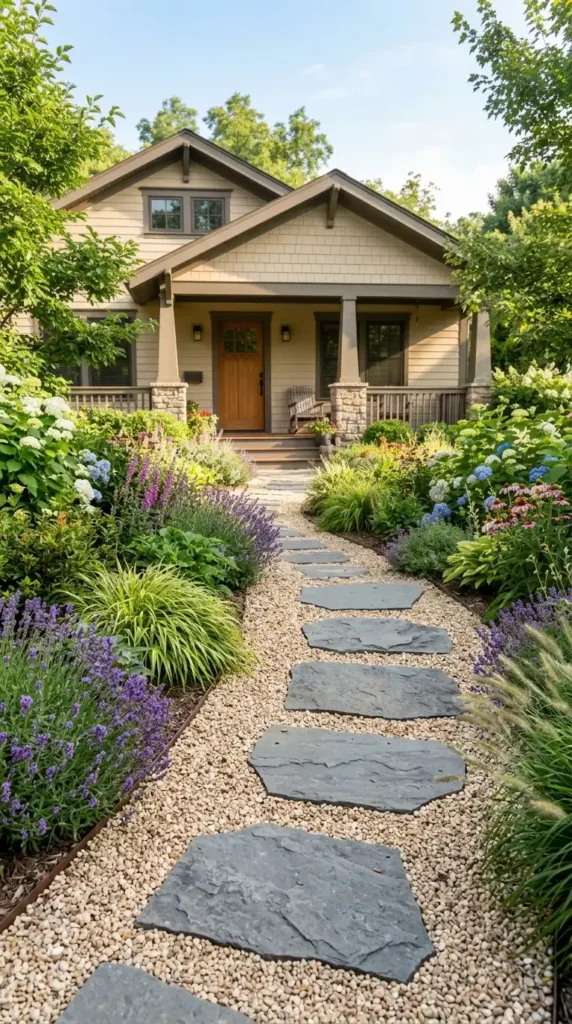
This is a practical and beautiful way to incorporate gravel. A pathway of gravel with stepping stones provides a firm, attractive surface that offers excellent drainage and is cheaper and easier to install than a paved path. The stepping stones provide a clear walking route, while the gravel helps suppress weeds. Pea gravel is a popular choice for this, as it is smooth and comfortable to walk on, especially when paired with pavers.
3. Front Yard Gravel Garden for Curb Appeal
✦ Best for: Replacing a thirsty lawn with a modern, low-maintenance front yard
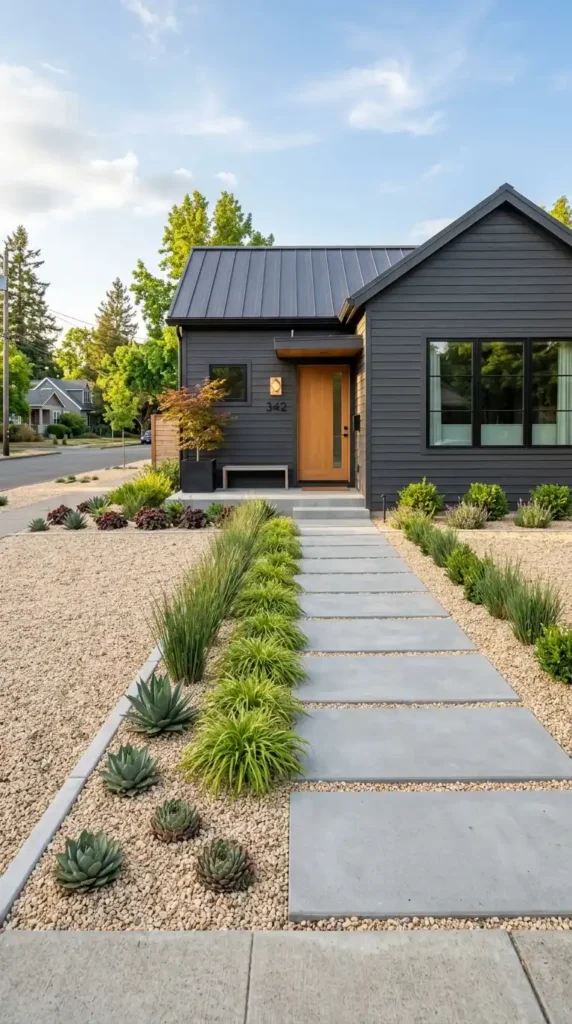
Using gravel in a front yard is an increasingly popular way to boost curb appeal while drastically reducing water usage and maintenance. It provides a softer look than hard paving, improves drainage, and offers a beautiful backdrop for plants. Pair light gravel with dark, modern house exteriors for a stunning contrast, or use it to surround decorative flower beds and raised beds to make them pop. A gravel front garden can be a strong selling point for its eco-friendly and low-maintenance nature.
4. Zen Gravel Garden for Mindfulness
✦ Best for: Creating a peaceful, contemplative corner in your garden
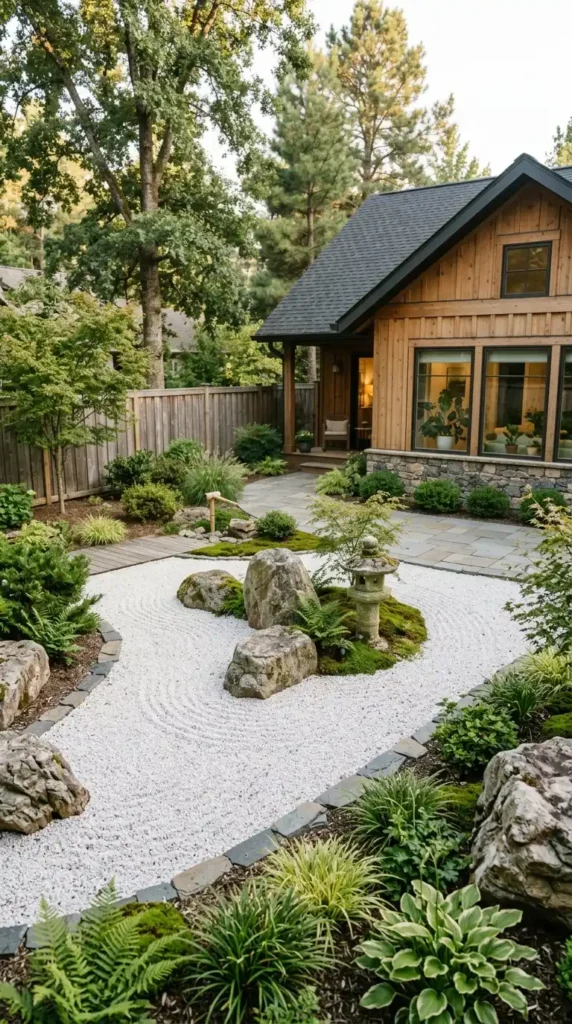
A Zen garden is a tranquil space designed for peace and contemplation. The design typically features light-colored gravel, raked in patterns to represent flowing water or ripples. Incorporate a few carefully placed rocks or boulders to represent islands or mountains and keep the planting minimal, perhaps with some moss or a single Japanese maple. This style works beautifully as a small, quiet retreat in a corner of the yard.
5. Succulent and Cactus Gravel Display
✦ Best for: Hot, sunny spots where you want a sculptural, water-wise display
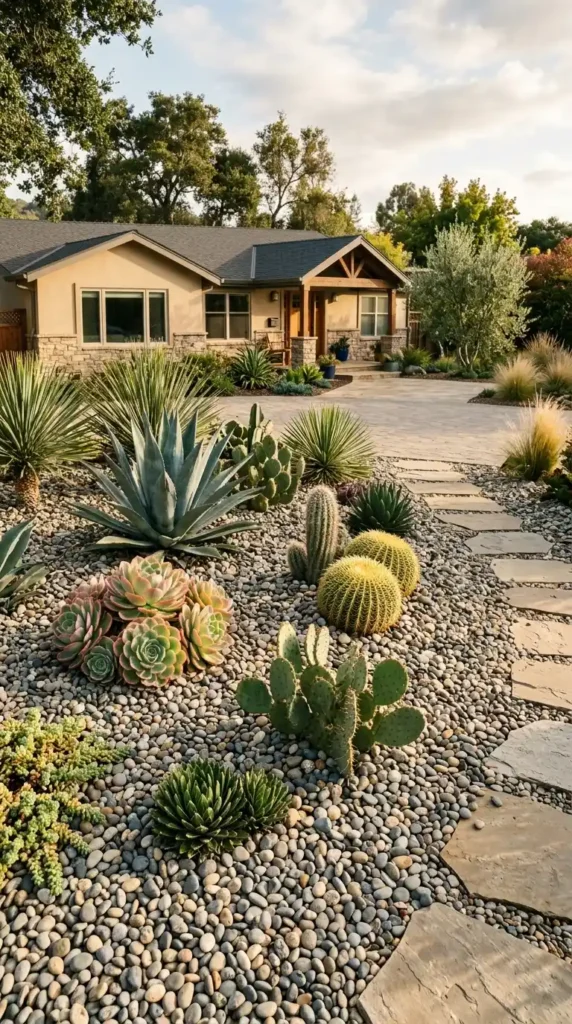
Succulents and cacti are a natural match for gravel gardens. Their incredible shapes and textures are the perfect foil for a gravel backdrop. A gravel bed provides the excellent drainage these plants crave. Use a mix of gravel sizes and colors to create visual interest and arrange a variety of echeverias, sedums, sempervivums, and agaves. Add some decorative rocks or driftwood to complete the look.
6. Modern Gravel Garden with Grasses
✦ Best for: Adding movement and a contemporary feel to your landscape
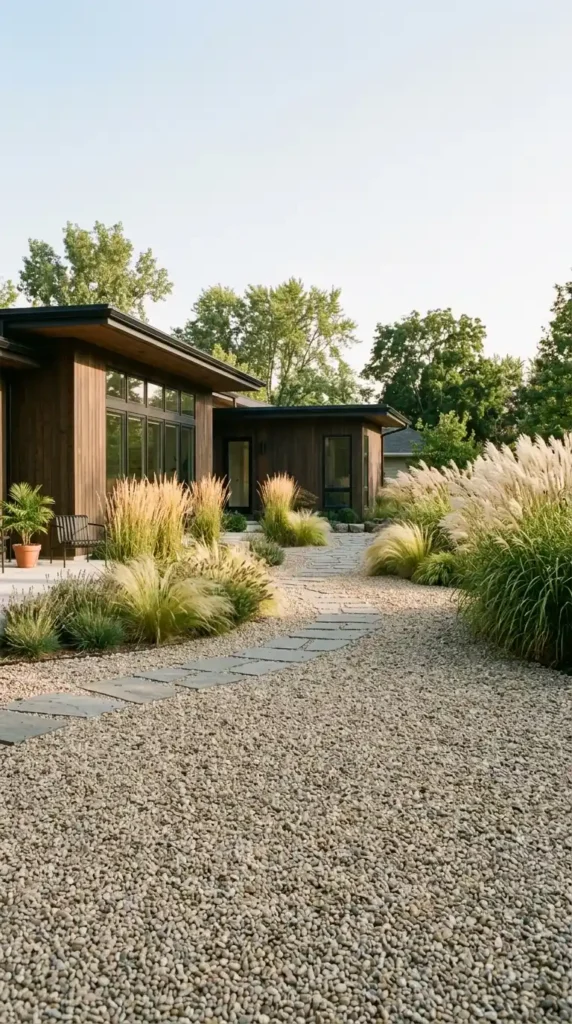
Ornamental grasses are a brilliant choice for adding texture and movement to a gravel garden. Plant them in a clean, uniform layout for a minimalist, contemporary look. Varieties like Stipa gigantea and Stipa tenuissima bring airy grace, while prairie dropseed provides a beautiful green clump that turns bronze in autumn. Combining grasses with flowering perennials like gaura or echinacea creates a dynamic and naturalistic planting scheme.
7. Cottage-Style Gravel Garden with Self-Seeders
✦ Best for: A relaxed, informal look that requires a lighter touch
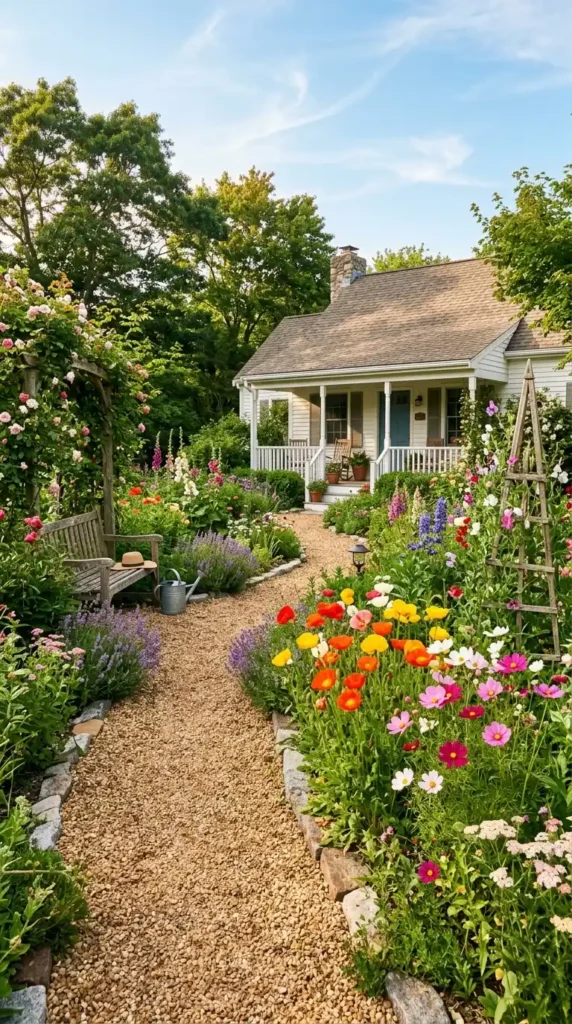
This approach takes the formality out of a gravel garden, embracing a more relaxed and informal style. The gravel provides a beautiful, neutral base, but the real stars are the self-seeding plants. Allow flowers like poppies, foxgloves, verbena bonariensis, and cosmos to pop up naturally through the gravel. The plants will reseed themselves, creating an ever-changing, delightful display. For this, do not use landscape fabric, as it will prevent self-seeding.
8. Gravel Garden Around a Patio or Seating Area
✦ Best for: Creating a stylish, low-maintenance outdoor living space
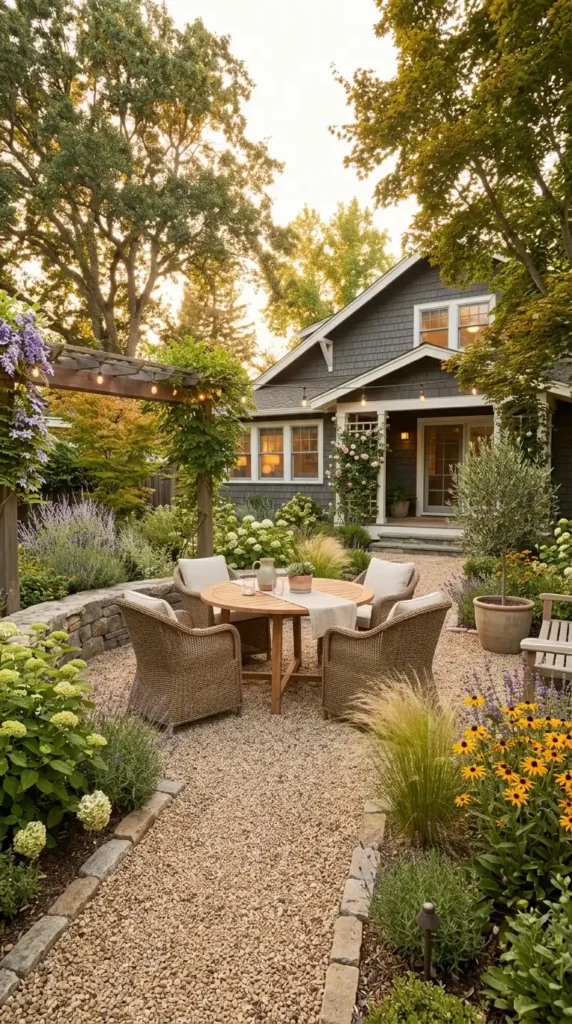
Using gravel around a patio or seating area is a beautiful way to soften the look of hard landscaping and reduce maintenance. Gravel provides a practical, well-draining surface that is cheaper and easier to install than a full deck or paving. Combine it with large pavers to create a stable base for furniture, and use the gravel to fill in the gaps. This helps manage drainage and creates a more organic garden feel.
9. Planting for Pollinators in a Gravel Garden
✦ Best for: Supporting bees, butterflies, and other beneficial insects
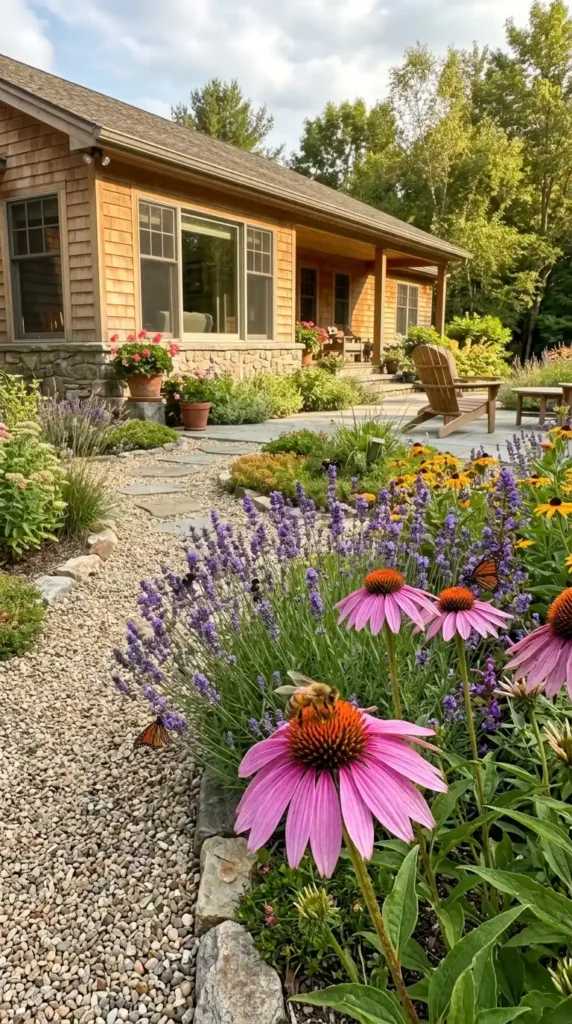
Gravel gardens are not just about rocks; they can be fantastic habitats for wildlife. Choose a variety of flowering plants that are rich in nectar, such as lavender, catmint, phlomis, and butterfly milkweed. Mediterranean herbs and native wildflowers are naturally attractive to bees and butterflies. A well-designed gravel garden can be a haven for pollinators while being low-maintenance for you.
10. Gravel Garden with Pots and Containers
✦ Best for: Adding focal points and colorful displays to small or paved spaces
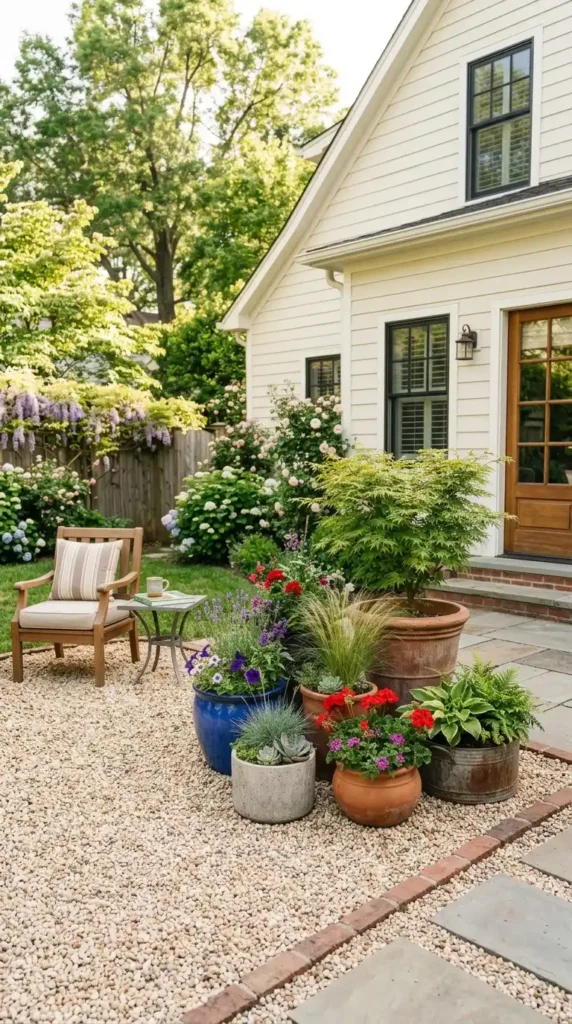
Gravel is an attractive and functional surface for displaying pots and containers. It acts as a clean, low-maintenance base that looks good all year and helps keep the area weed-free. Group pots of different sizes and shapes on a gravel area to create a dynamic display. If you have limited space, you can even create a miniature gravel garden in a trough or large container with small plants like sedums and cacti.
How to Create a Gravel Garden
Making a gravel garden is straightforward. Here is a quick guide based on expert advice:
1. Prepare the ground: Level out the area and remove any weeds and stones.
2. Plan the edges: Use bricks, stones, or wood to mark out the boundaries of your gravel area.
3. Lay landscape fabric: For weed suppression, lay a permeable landscape fabric over the prepared ground. Cut crosses where you want to place plants. Note that this will prevent self-seeding.
4. Position your plants: Place your plants on the fabric to test your layout before planting. Then, cut the fabric and plant them directly into the soil, ensuring the root ball is level with the surface.
5. Lay the gravel: Spread the gravel evenly over the area to a depth of about 2 inches (5cm). A medium-grade, angular gravel is easier to walk on than smooth pebbles.
Frequently Asked Questions About Gravel Garden Ideas
1. What are the best plants for a gravel garden?
The best plants are drought-tolerant and thrive in well-drained soil. Top choices include lavender, rosemary, cistus, phlomis, euphorbias, sedums, and ornamental grasses like stipa.
2. Do gravel gardens need watering?
Once established, a gravel garden with Mediterranean and drought-tolerant plants requires very little watering. This is one of their key benefits. You will need to water new plants until they establish.
3. How do I stop weeds in a gravel garden?
Using a landscape fabric under the gravel is a common method. Alternatively, hand-weeding is effective, especially in the first year. Over time, established plants will shade out many weeds.
4. What is the best type of gravel for a gravel garden?
A medium-grade gravel (around 10-15mm) is a good size for planting areas and paths. Angular gravel is better for walking on than smooth pebbles. Consider the color and match it to your home or hard landscaping.
5. Can I create a gravel garden on clay soil?
It is challenging but possible. You will need to dig in plenty of organic matter and grit to significantly improve drainage. Alternatively, you could create raised beds filled with a suitable, free-draining mix.
Related Articles
8 Budget Pea Gravel Patio Ideas
Retaining Wall Cost: Complete Pricing Guide for 2026
Outdoor Pendant Lighting: 7 Stylish Ideas for Alfresco Evenings
Front Yard Rock Garden Ideas: 10 Low-Maintenance Designs for Curb Appeal
A gravel garden is a beautiful, sustainable choice for modern outdoor living. With its relaxed planting style and minimal maintenance needs, it creates an outdoor space that is a pleasure to live with, not a chore to maintain.

Sheikh Hassaan is a digital architect for small businesses and the founder of The Glow Up System. He writes about home decor, garden design, and outdoor living for real American homes – practical ideas that work in actual spaces without oversized budgets.