
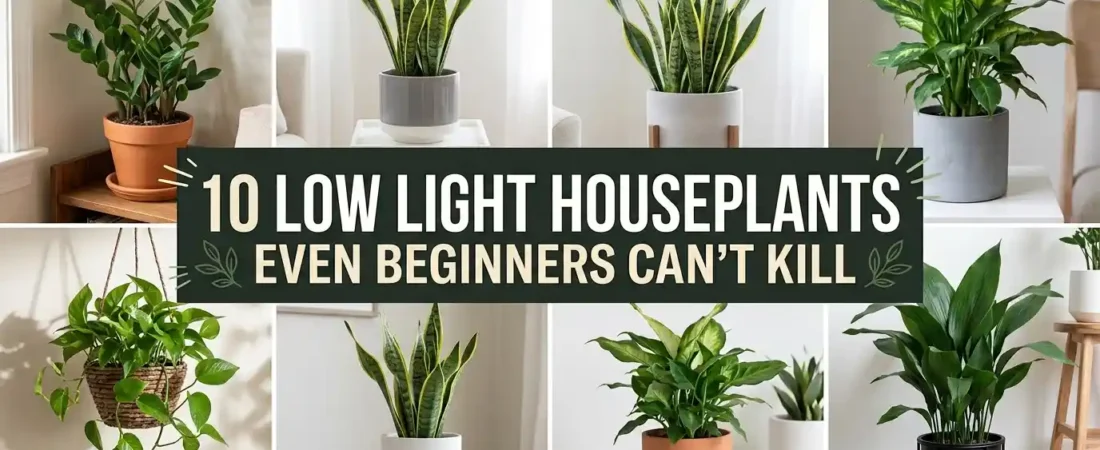
Not every room gets a flood of sunlight, but that doesn’t mean you cannot grow beautiful houseplants. Plenty of species have evolved to thrive on the forest floor, where bright sunlight rarely penetrates the canopy. These low light houseplants can brighten even the darkest corners of your home, from north-facing rooms to windowless hallways and bathrooms with tiny windows.
This guide covers the best low light houseplants that don’t just survive but actually thrive in shade. Every suggestion includes specific care tips, light requirements, and practical advice. No vague recommendations. No plants that will slowly fade away. Just reliable, resilient plants that bring life to your dimmest spaces.
Table of Contents
What “Low Light” Actually Means for Houseplants
Before choosing plants, it is important to understand what “low light” really means. In a home context, low light refers to a position that receives no direct sunlight and only indirect ambient light. This typically includes north-facing rooms, spots more than 2 meters from any window, or rooms with small or partially obstructed windows.
Low light does not mean no light. No plant can survive with zero light, and even the most shade-tolerant species need some level of ambient natural light to sustain basic photosynthesis. A practical test: if you can comfortably read a book in natural light during the day without switching on a lamp, there is probably enough light for the most tolerant low-light species.
One crucial thing to remember: plants in low light grow more slowly and need less water. They photosynthesize slowly and dry out slowly, so watering on the same schedule as brighter positions leads to root rot. Always check the soil before watering.
1. Snake Plant: The Unkillable Classic
✦ Best for: Any room where you want dramatic, architectural foliage that tolerates neglect
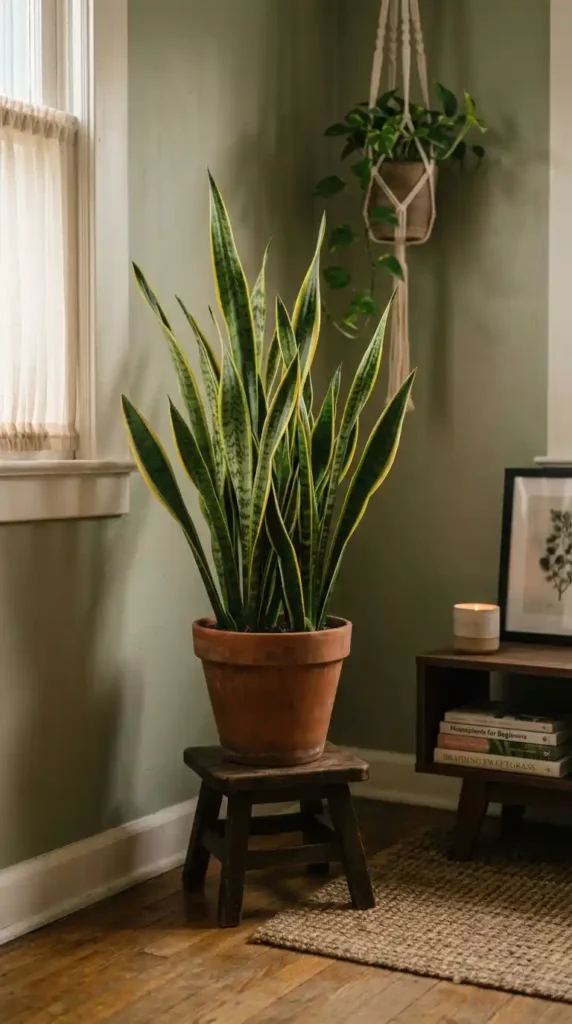
The snake plant (Sansevieria trifasciata) is arguably the most forgiving houseplant for low-light conditions. Its stiff, sword-like leaves can survive in any light condition, from a sunny windowsill to a dark corner. It only needs watering every 2 to 4 weeks, making it almost impossible to kill.
Snake plants are also excellent air purifiers. Studies have shown this plant to improve indoor air quality by absorbing chemicals through the air. The leaf color, variations, and height vary depending on the cultivar, but they typically grow three to four feet tall.
Care Tips: Snake plants grow best in drier conditions; the soil needs to dry out completely between watering. Propagate this plant to share with others, simply divide the plant or take leaf cuttings that root in water.
2. ZZ Plant: The Shade Champion
✦ Best for: Offices, bedrooms, and corners far from windows with minimal natural light
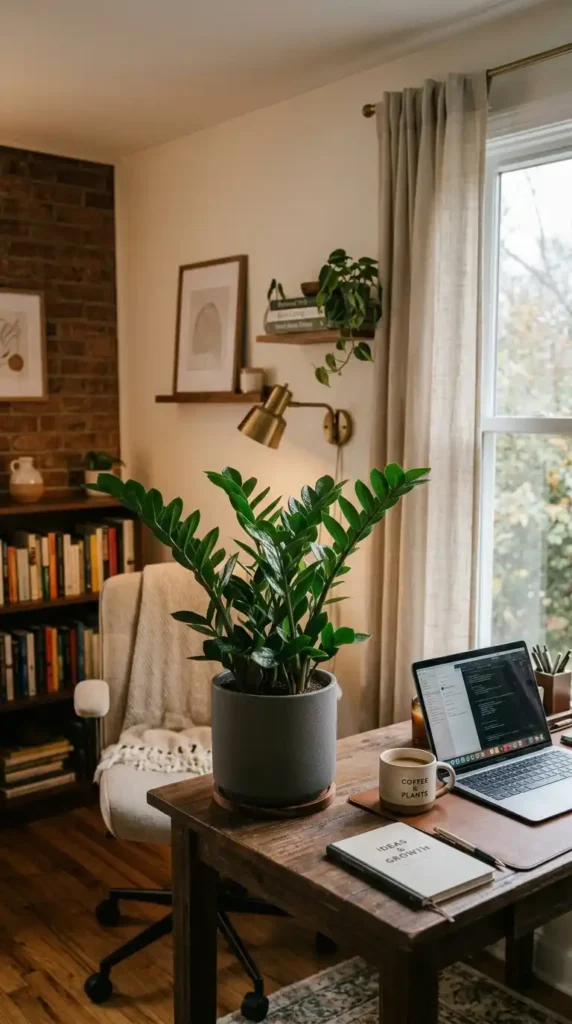
The ZZ plant (Zamioculcas zamiifolia) is among the most shade-tolerant houseplants available, surviving in very dim conditions through water-storing rhizomes. Its glossy dark foliage holds up well in shade, and while growth will be slow in low light, the plant will not decline the way higher-light species do.
ZZ plants are a popular choice for offices and rooms with little to no natural lighting, as they also grow under fluorescent lighting. They are drought-tolerant and can go for extended periods without water.
Care Tips: Water when the soil has dried out completely, typically every two to three weeks. All parts of the plant are poisonous, so keep it away from pets and children.
3. Pothos (Devil’s Ivy): The Trailing Favorite
✦ Best for: Hanging baskets, shelves, and anywhere you want a fast-growing trailing plant
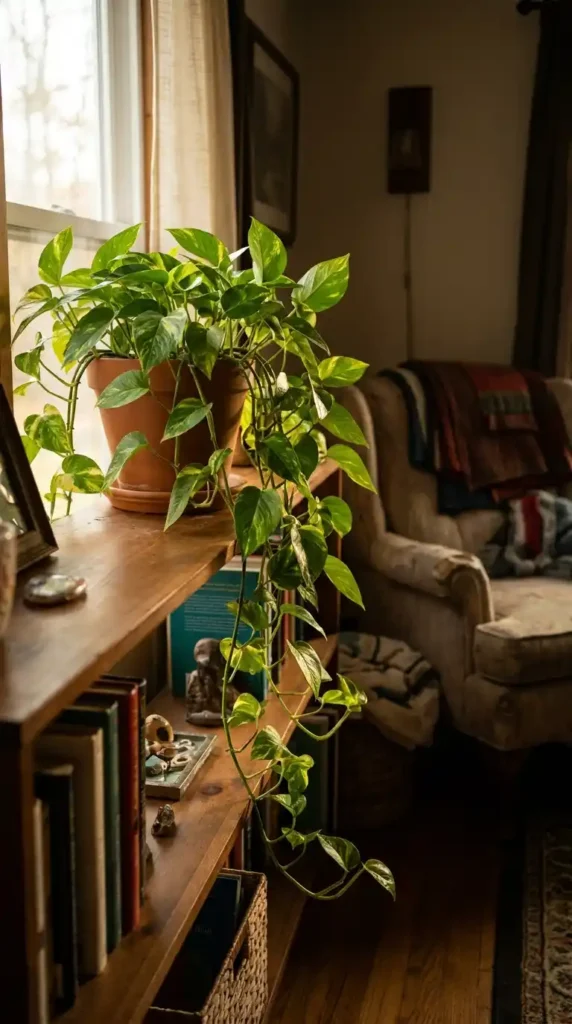
Pothos (Epipremnum aureum) is one of the most adaptable houseplants and tolerates low light better than almost any trailing plant. It will continue to produce new growth, though leaves will be smaller and paler than in better light. It is a popular choice for homes, offices, and restaurants because of its ability to thrive with very little natural light or even just artificial light.
For the true MVPs of low-light growing, choose jade pothos, which is not variegated and requires less light than its variegated counterparts. While golden pothos is highly adaptable, variegated types may lose some of their coloring in low light. In very low light, leaves will be smaller and paler than in better light.
Care Tips: Water when the soil is dry to the touch, which will likely be no more than once a week or even once every couple of weeks. Pothos is often listed as “unkillable,” making it perfect for beginners.
4. Peace Lily: The Elegant Dramatic
✦ Best for: Low-light rooms where you want a flowering plant that signals clearly when it needs water
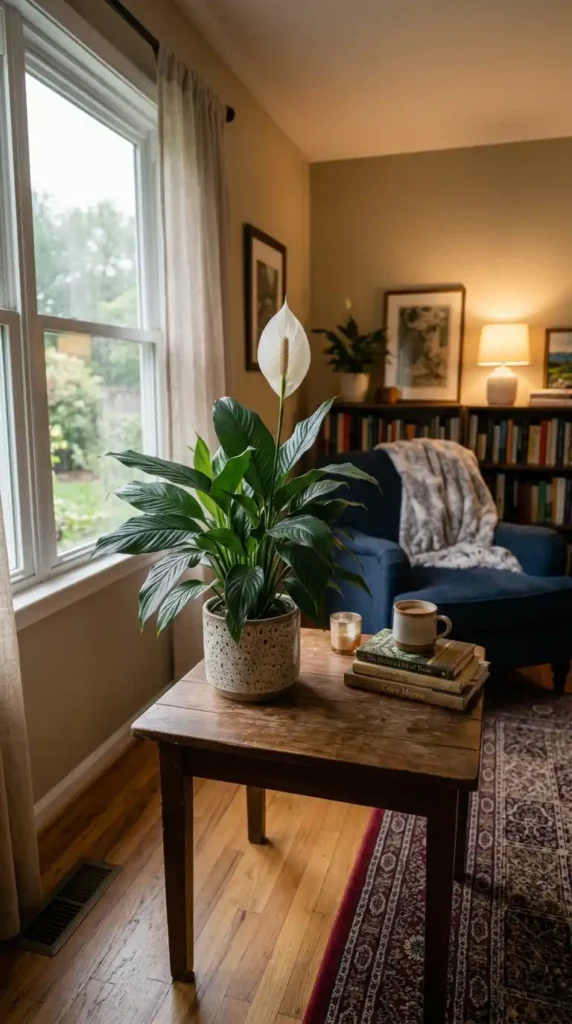
The peace lily (Spathiphyllum) is one of the few flowering houseplants that tolerates low light. It will flower less frequently without brighter light, but the foliage remains healthy and lush. It is also one of the few plants on this list that will signal clearly when it needs water: the leaves droop noticeably before any real damage occurs.
Peace lilies are highly versatile, producing lush, dark green leaves year-round with minimal light. With a little more light, they may produce elegant white flowers, but they are pretty even without the blooms.
Care Tips: Water whenever the deep green foliage wilts, as peace lily appreciates water more than most shade plants. They are known to flop over if they get too dry, but with a little water, they will stand right back up.
5. Cast Iron Plant: The Victorian Survivor
✦ Best for: Very dark corners, hallways, and rooms where other plants struggle to survive
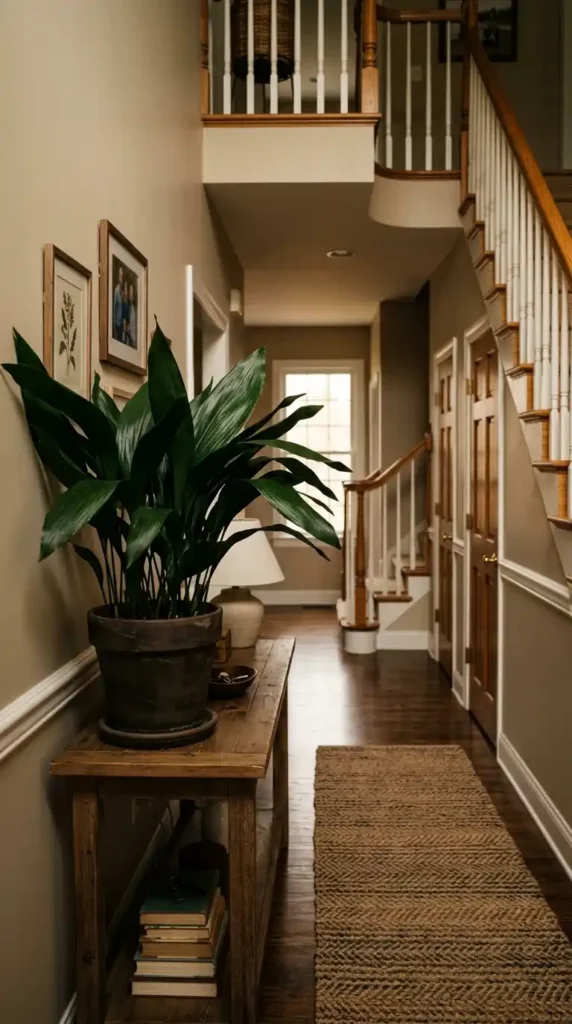
The cast iron plant (Aspidistra elatior) lives up to its name. It is famous for being seriously tough-as-nails, able to survive in very low light conditions. It was a staple of Victorian hallways precisely because it thrives in dim, cool conditions. It gained notoriety in Victorian England for surviving indoors under conditions in which many other plants could not, hence its nickname.
Cast iron plants are virtually immune to low light stress and are slower-growing than most other low-light plants. They will grow in most light conditions, including partial shade.
Care Tips: Let the soil dry out completely before watering again. Cast iron plants basically thrive on neglect, making them one of the best options for beginners or anyone who forgets to water.
6. Heartleaf Philodendron: The Easy Cascader
✦ Best for: Shelves, hanging baskets, and anywhere you want a vining plant
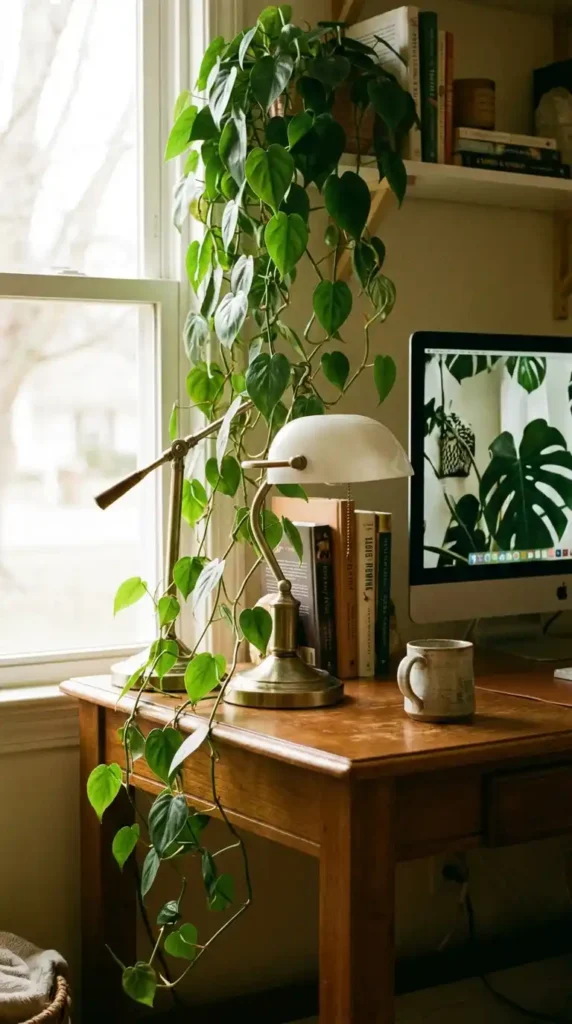
The heartleaf philodendron (Philodendron scandens) is a classic trailing plant with dark green heart-shaped leaves. It tolerates low light well and grows reasonably quickly even in shade compared to other aroids. The leaves become darker green in low light as the plant increases chlorophyll density to capture more of the available light.
Philodendrons are easy, versatile, and attractive, with a trailing growth habit that makes them ideal picks for hanging baskets or shelves. It is a great starter plant for a lower-light space and can handle medium or low-light conditions as long as it is adjusted to its new environment gradually.
Care Tips: Water when the top inch of soil feels dry. Philodendrons are easy to propagate from stem cuttings. If stems grow too long, simply snip them back to the length you want.
7. Parlor Palm: The Timeless Greenery
✦ Best for: Adding a touch of tropical elegance to dim corners and north-facing rooms
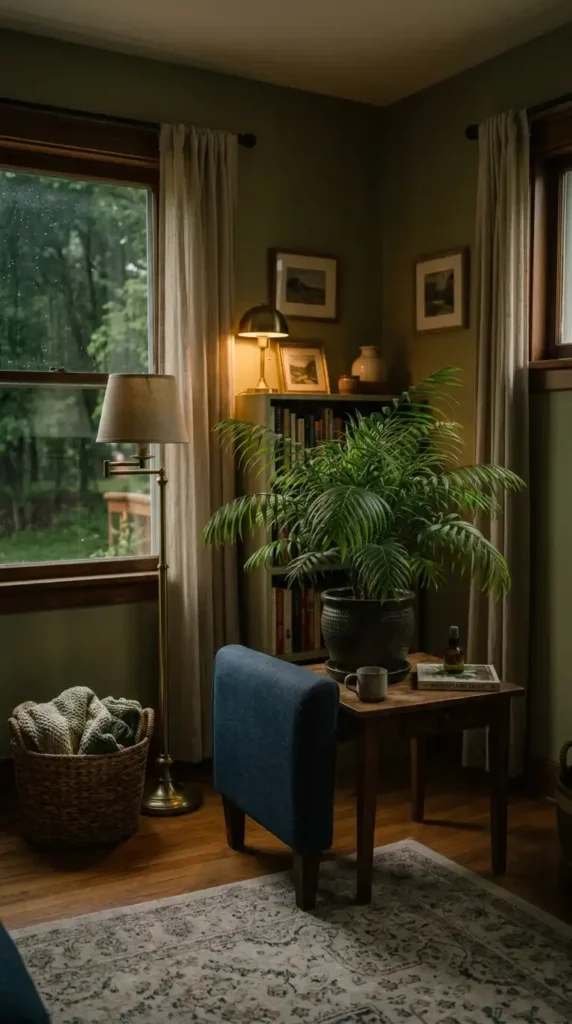
Parlor palms (Chamaedorea elegans) can tolerate low light, providing welcome greenery to any rooms low on light. They are low-maintenance house plants, only requiring watering once the top few inches of compost have dried out. They are beginner-friendly and can live for 20 years or more with proper care.
While parlor palms can tolerate low light, they will grow larger if they get more light. They are not toxic to pets, which is a bonus, though cats do love chewing on them.
Care Tips: Water when the top inch of soil feels dry. Parlor palms are slow growers and do not need frequent repotting. They are one of the best plants for beginners.
Care Tips for Low Light Houseplants
Water Less: Low light = slow growth = less water needed. Always check the soil before watering. Most low-light plants need water about half as often as they would in brighter spots.
Drainage is Key: Use pots with drainage holes to prevent water from sitting at the bottom and causing root rot.
Rotate Your Plants: Turn plants a quarter-turn every few weeks to keep them growing evenly, as they may lean toward the light source.
Clean the Leaves: Dust on leaves blocks light. Wipe leaves occasionally with a damp cloth to help plants photosynthesize efficiently.
Watch for Variegation: Variegated plants (with white, cream, or yellow sections) generally need more light than all-green varieties. In low light, they often push out increasingly green leaves to compensate.
Frequently Asked Questions About Low Light Houseplants
1. What are the best low light houseplants?
The best low light houseplants include snake plants, ZZ plants, pothos, cast iron plants, peace lilies, heartleaf philodendrons, and parlor palms. These plants are well-known for tolerating and even growing in dim conditions.
2. Can any plant survive in a room with no windows?
No plant can survive with zero light. Even the most shade-tolerant species need some ambient natural light to photosynthesize. However, plants like snake plants and ZZ plants can survive in rooms with only artificial light, as long as there is some brightness.
3. Do low light houseplants need less water?
Yes. In low light, plants photosynthesize slowly and therefore dry out very slowly. Watering on the same schedule as a brighter spot leads to root rot. Always check the soil and water only when it is dry.
4. What does low light mean for houseplants?
Low light typically means a position that receives no direct sunlight and only indirect ambient light. This includes a room with a north-facing window, a spot more than 2 meters from any window, or a room with small or partially obstructed windows. It does not mean no light.
5. How do I keep low light houseplants healthy?
Avoid overwatering, as this is the most common cause of failure with low-light plants. Allow the soil to dry between waterings. Clean leaves regularly to maximize photosynthesis. Rotate the plant occasionally for even growth. Variegated plants may need a slightly brighter spot to keep their markings.
Related Articles
Create a Herb Spiral Garden That Saves Space and Looks Beautiful
10 Backyard Hot Tub Designs That Feel Like a Luxury Resort
Upgrade Your Yard with These 7 Wrought Iron Garden Decor Ideas
10 Stylish Gravel Garden Ideas Designs
A dim room is not a plant graveyard. Choose the right species, water sparingly, and watch your low-light jungle thrive.

Sheikh Hassaan is a digital architect for small businesses and the founder of The Glow Up System. He writes about home decor, garden design, and outdoor living for real American homes – practical ideas that work in actual spaces without oversized budgets.