
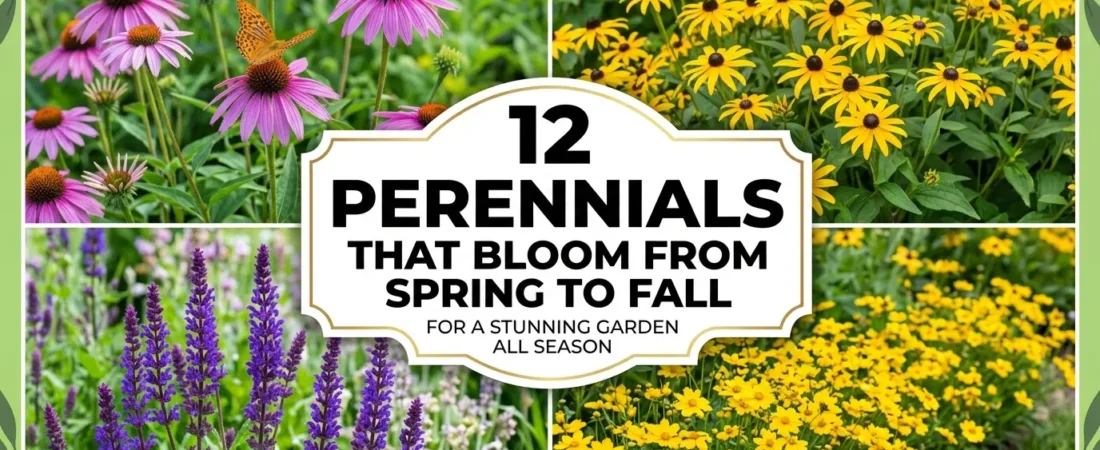
My front border has had something flowering in it every week from late May through October for the past four years. I planted it once. I divide things occasionally. I deadhead when I remember. That is the complete maintenance record.
Perennials that bloom from spring to fall are the plants that change a garden from something that looks good for a few weeks into something that works all season. Not because they are individually spectacular — some are — but because together they create a framework where there is always color, always something for pollinators, always a reason to be outside.
These 12 are the ones I find most reliable. They cover the full season — catmint and salvia start in May, the main summer group runs July through August, and Black-Eyed Susan and gaillardia carry it through to October frost. Plant any combination of three or four and the border has continuous interest from the first warm day of spring until the first hard frost of fall.
Table of Contents
1. Black-Eyed Susan — Summer Into Fall Color That Never Disappoints
✦ Black-Eyed Susan
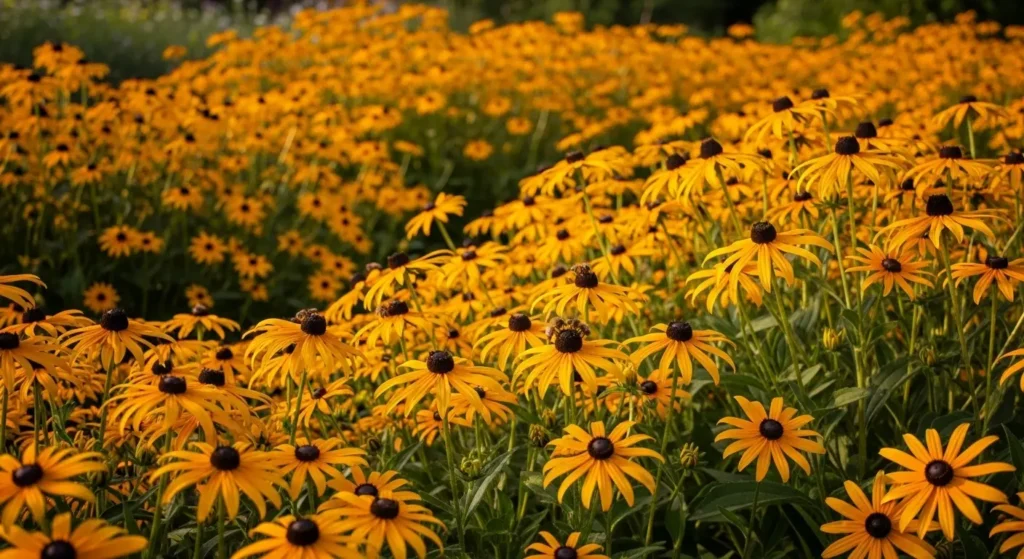
Black-Eyed Susan is the perennial that blooms from spring to fall I find most consistently reliable in difficult conditions. Heat. Drought. Poor soil. Conditions that defeat most summer perennials produce no visible stress in a well-established Black-Eyed Susan clump.
The vivid golden-yellow flowers with their distinctive dark centers bloom from July through October and the seedheads left standing through winter feed goldfinches through the coldest months. A plant that works at both ends of the season.
PRO TIP: Cut Black-Eyed Susans back by one third in late May to delay flowering slightly and create a bushier, more branching plant that produces more flowers over a longer period. This Chelsea Chop technique is one of the most effective ways to extend the flowering season of summer perennials.
2. Coneflower — The Most Beloved Pollinator Perennial Available
✦ Coneflower (Echinacea)
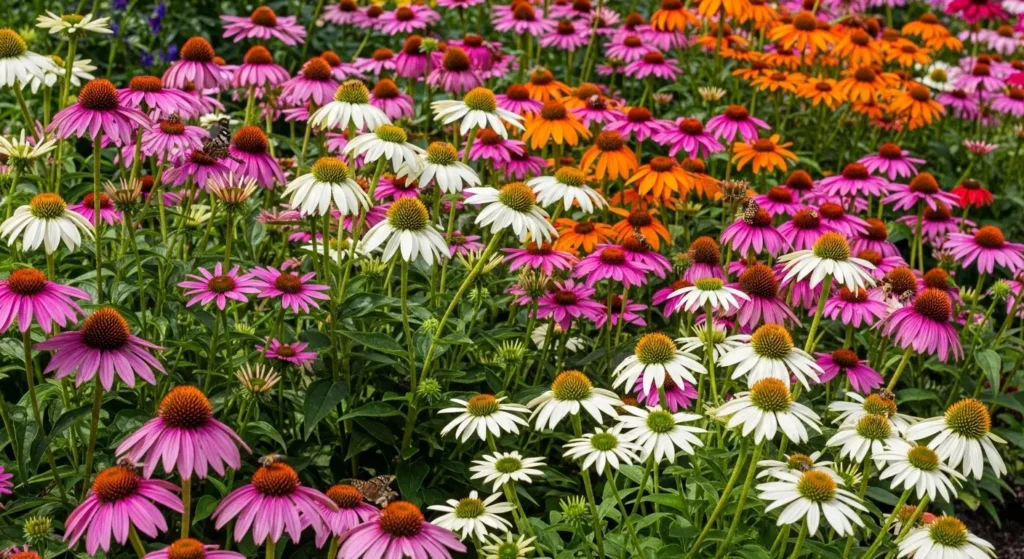
Echinacea coneflower is consistently ranked among the most valuable garden perennials for both visual impact and ecological benefit. The distinctive raised orange-brown cone centers surrounded by reflexed petals in purple, pink, white, and orange create flowers with a completely unique architectural quality. Pollinators are drawn to them from midsummer through fall.
Height: 24 to 48 inches. Sun: full sun to light shade. Water: drought tolerant once established. Soil: well-drained, tolerates poor soils. USDA Zones: 3 to 9. Start with the classic Echinacea purpurea for the most reliable garden performance. Named varieties in unusual colors like Magnus, White Swan, and Cheyenne Spirit are beautiful but can be shorter-lived in heavier soils. Leave seedheads standing all winter for birds and for self-seeding.
3. Daylilies — The Most Adaptable Perennial for Any Sunny Garden
✦ Daylilies
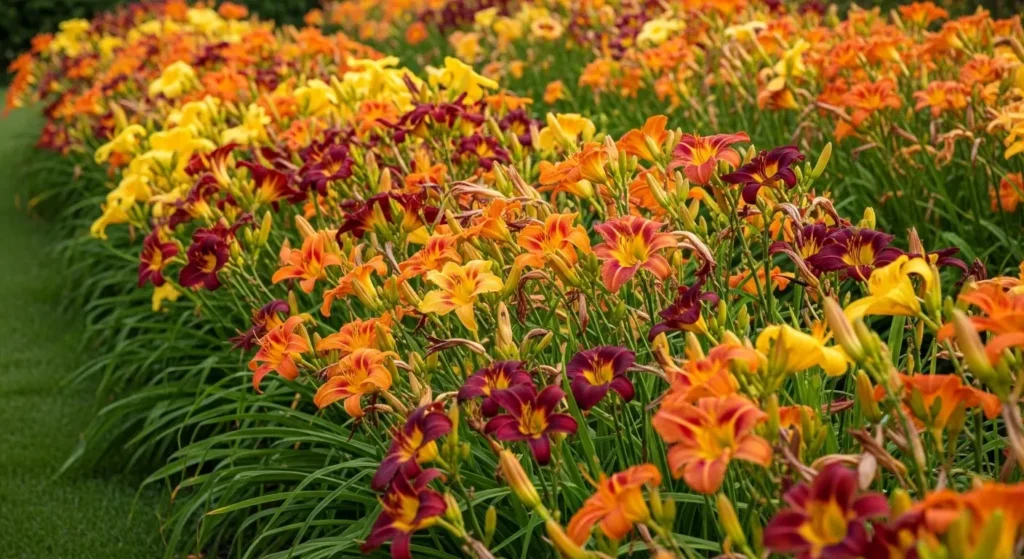
Daylilies earn their reputation as the most adaptable garden perennial. They tolerate heat, drought, poor soil, and neglect that would kill most other flowering plants. Each individual flower lasts just one day but a well-established clump produces dozens of buds over a six-week flowering period. Rebloomers like Stella de Oro flower again in late summer after a rest period.
Height: 12 to 48 inches depending on variety. Sun: full sun to partial shade. Water: moderate, drought tolerant once established. Soil: tolerates almost any soil type. USDA Zones: 3 to 10. Divide clumps every three to four years in spring or fall when the center begins to die out and productivity declines. The divided sections transplant easily and establish quickly. Daylilies planted in mass drifts of the same variety create more visual impact than mixed variety plantings.
PRO TIP: Deadhead daylilies daily by removing spent flowers at the base of the stem rather than leaving the withered blooms in place. Daily deadheading keeps the planting looking fresh throughout the long flowering period and redirects the plant’s energy toward producing new buds rather than setting seed.
4. Coreopsis — Non-Stop Yellow Sunshine From Early Summer to Frost
✦ Coreopsis
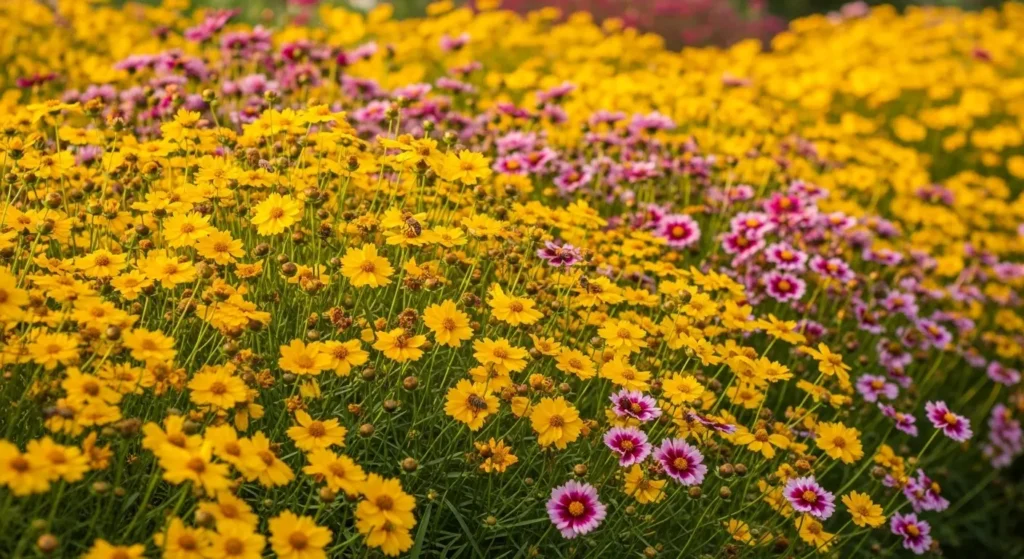
Coreopsis produces more flowers per plant over a longer season than almost any other perennial. The small bright daisy flowers in yellow, pink, red, and bicolor combinations bloom continuously from early summer until the first hard frost with minimal care. Deadheading or a midseason cutback triggers repeat flowering that keeps the plant productive all season.
Height: 8 to 24 inches. Sun: full sun. Water: drought tolerant, dislikes wet winters. Soil: well-drained, average to poor fertility. USDA Zones: 4 to 9. Moonbeam Coreopsis with its soft lemon-yellow flowers is one of the most useful border perennials available for mixing with other plants. Cut the whole plant back by half in midsummer after the first flush of flowering fades to encourage a strong second flush through late summer and fall.
5. Shasta Daisy — Classic White Flowers That Define the Summer Garden
✦ Shasta Daisy
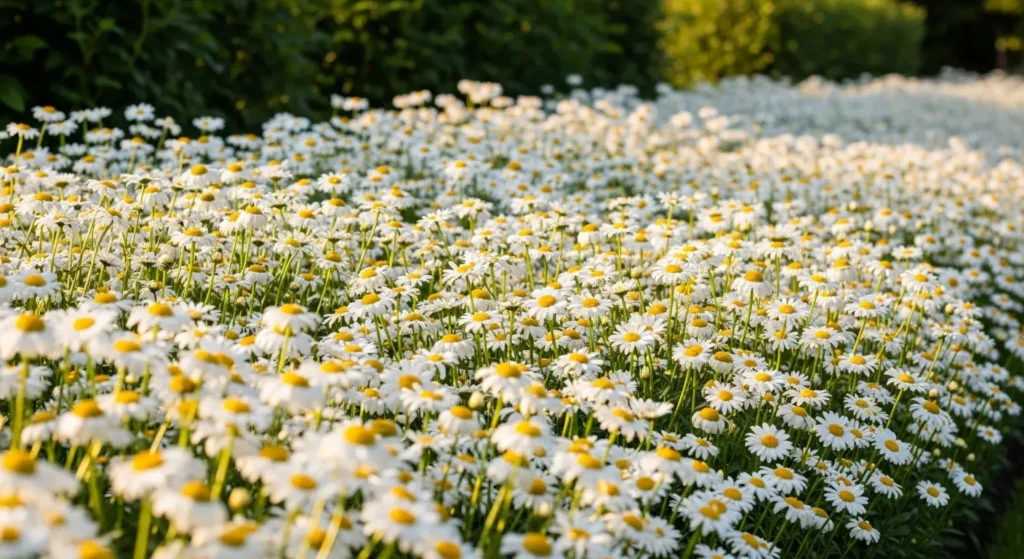
Shasta daisies are one of the most classic and most beloved of all garden perennials. The perfect white petals and bright yellow centers of the classic form have a timeless quality that suits every garden style from cottage to contemporary. They flower prolifically from June through August and cut beautifully for vases.
Height: 12 to 36 inches. Sun: full sun to light shade. Water: moderate, consistent moisture preferred. Soil: well-drained, fertile. USDA Zones: 5 to 9. Deadhead regularly to extend the flowering period through late summer. Divide clumps every two to three years in spring as Shasta daisies decline in the center over time and division restores vigor and flowering quality. Named varieties like Becky and Alaska are the most reliably perennial and longest-flowering.
PRO TIP: Cut Shasta daisies for vases just as the first few petals begin to open on each stem. Cutting at bud stage extends vase life by two to three days compared to fully open flowers and the buds open beautifully in a vase within 24 hours of cutting.
6. Salvia — Vertical Blue and Purple Spikes That Pollinators Cannot Resist
✦ Salvia
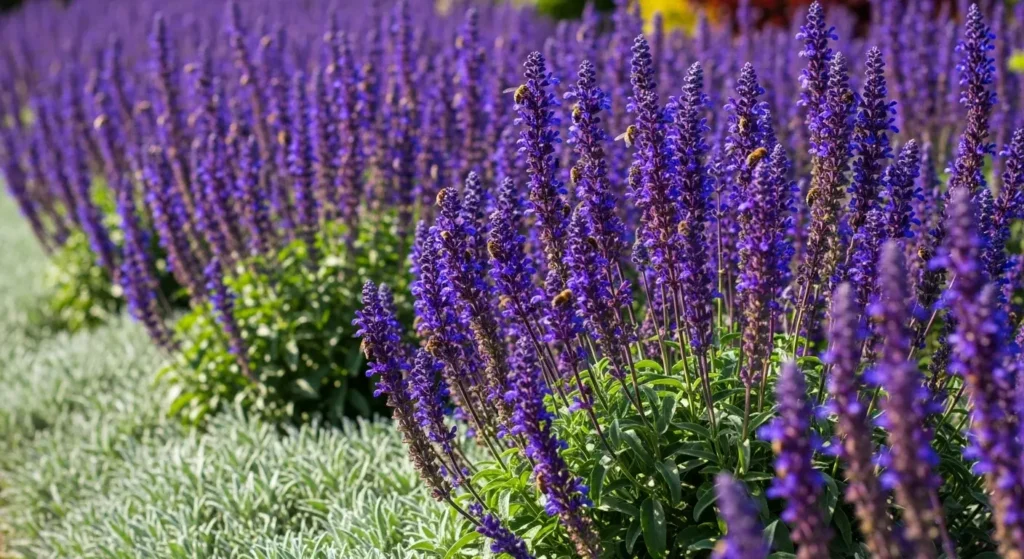
Salvia nemorosa is one of the most valuable garden perennials available. The vertical spikes of deep blue and purple flowers provide architectural contrast to round and daisy-form flowers, bloom from late spring through summer, and if cut back after the first flowering flush bloom again prolifically in late summer and fall. Bees of every kind work salvia flowers constantly from the moment they open.
For how salvia and other vertical perennials work as part of a complete pollinator border see our deer resistant drought tolerant plants guide which covers the drought-tolerant perennial combinations that attract the most wildlife.
7. Russian Sage — Airy Silver-Blue Haze That Lasts All Summer
✦ Russian Sage
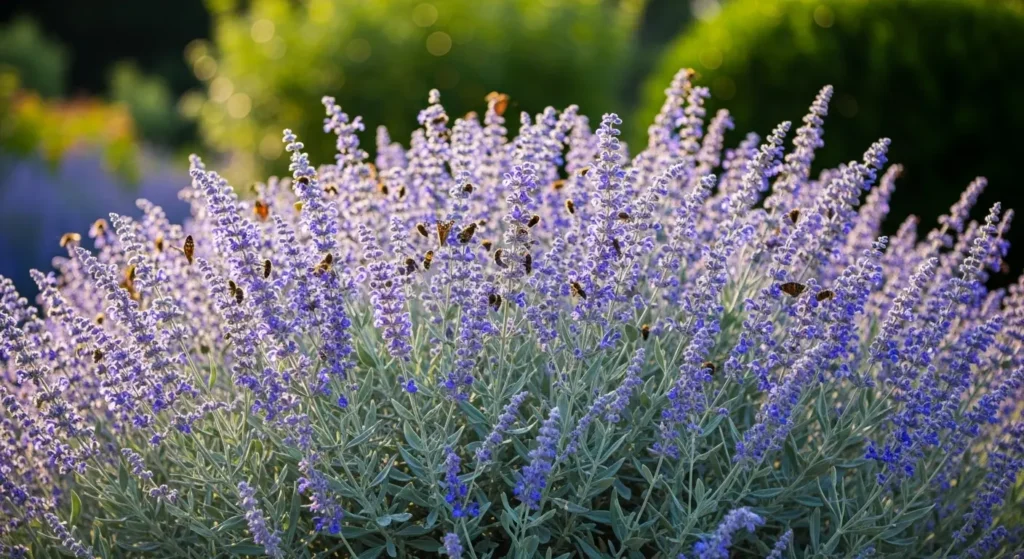
Russian sage is the perennial that blooms from spring to fall I find most useful for what it does to the plants beside it. The silver-blue haze is not primarily about Russian sage itself — it is about how it makes the deep pinks and purples and burgundies planted next to it look more intense.
Plant it beside roses or dahlias in those rich colors and the combination creates something neither would achieve alone. The airy softness of the Russian sage sets off the density of the larger flowers perfectly.
PRO TIP: Plant Russian sage beside deep pink or burgundy roses or dahlias. The silver-blue airy haze of Russian sage creates the most beautiful possible contrast with deep rich flower colors. This classic combination photographs exceptionally well and is one of the most repeated garden design pairings in professional planting schemes.
8. Blanket Flower — The Longest-Blooming Perennial in Any Summer Garden
✦ Blanket Flower (Gaillardia)
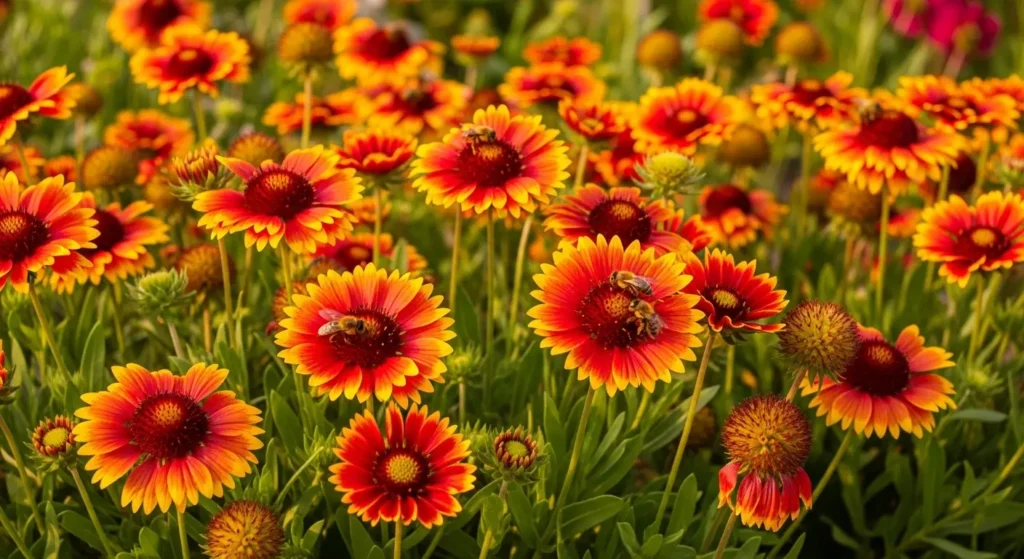
Gaillardia blanket flower has the longest continuous blooming period of any sun-loving perennial. The vivid red, orange, and yellow bicolor flowers bloom from early summer until the first hard frost with barely any gap in production. They thrive in heat and drought conditions that slow or stop most other summer perennials.
Height: 12 to 24 inches. Sun: full sun. Water: drought tolerant, dislikes wet soils. Soil: well-drained, average to poor fertility. USDA Zones: 3 to 10. Deadhead regularly throughout the season to maintain continuous flowering. Gaillardia is relatively short-lived as a perennial in rich moist soils but extremely long-lived in lean well-drained conditions. Grandiflora Arizona varieties are among the most reliable and longest-blooming.
9. Yarrow — Flat-Topped Flower Clusters in Every Summer Color
✦ Yarrow
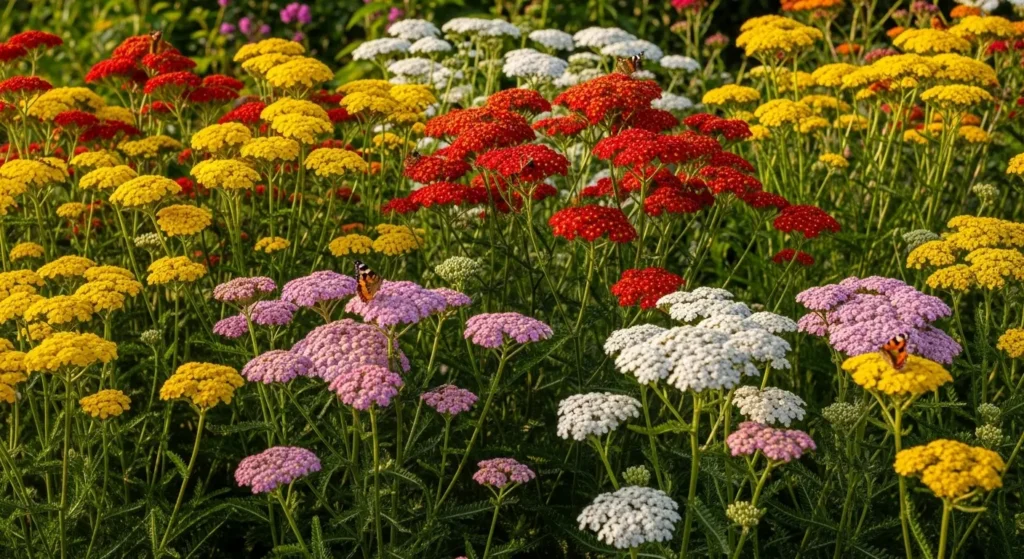
Yarrow is one of the most drought-tolerant and most adaptable of all garden perennials. The flat-topped flower clusters in yellow, red, pink, white, and cream provide a horizontal landing platform that butterflies in particular use constantly through summer. The ferny aromatic foliage looks attractive even when yarrow is not in flower.
Height: 18 to 36 inches. Sun: full sun. Water: very drought tolerant. Soil: well-drained, tolerates poor soils. USDA Zones: 3 to 9. Deadhead as first flower clusters fade to encourage side shoots that produce further flowering into fall. Divide every three to four years in spring to prevent spreading beyond its allocated space. Moonshine yarrow in clear yellow and Paprika in red-orange are among the most reliable named varieties.
PRO TIP: Dry yarrow flower heads for indoor arrangements. Cut stems when flower clusters are fully open and hang upside down in small bunches in a warm dry place for two to three weeks. The dried flowers retain their color well and make beautiful additions to fall wreaths and dried arrangements.
10. Catmint — The Perfect Border Edge Perennial for Long-Season Lavender Blue
✦ Catmint (Nepeta)
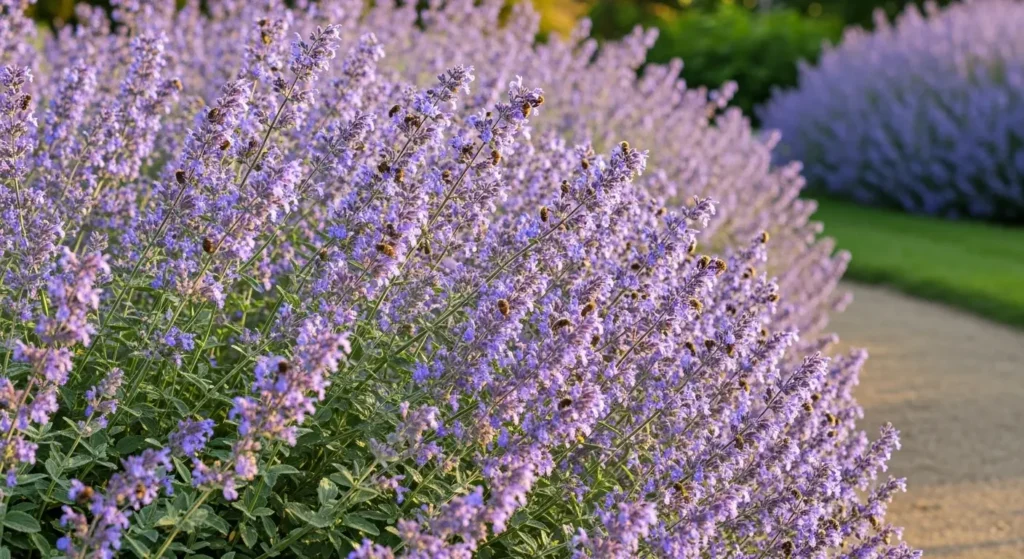
Catmint is the ideal border edge perennial. The soft mounds of grey-green aromatic foliage and lavender-blue flower spikes bloom from late spring through summer, spill gracefully over path edges without becoming a nuisance, and if cut back after flowering produce a strong second flush in late summer and fall. Bees work catmint flowers constantly throughout the season.
Height: 12 to 36 inches depending on variety. Sun: full sun to light shade. Water: drought tolerant once established. Soil: well-drained. USDA Zones: 3 to 8. Cut the whole plant back by two thirds after the first flowering flush in midsummer. New growth emerges within two to three weeks and produces strong repeat flowering. Walker’s Low is the most widely available and most reliable variety for garden use.
11. Veronica — Spiky Vertical Interest in Blue, Pink, and White All Summer
✦ Veronica
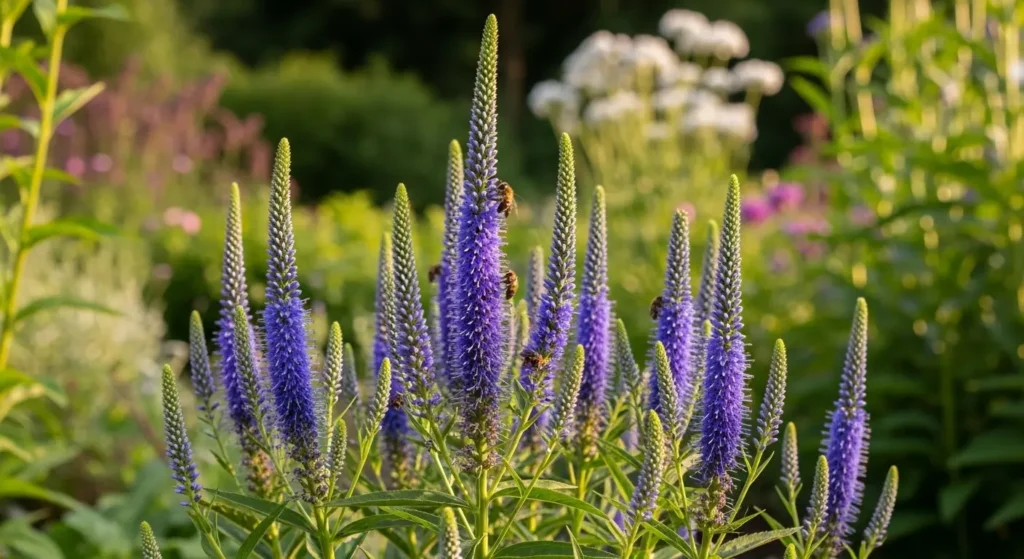
Veronica spicata provides some of the most reliable and longest-lasting vertical spikes in the summer perennial garden. The tapering flower spikes in deep blue, purple, pink, and white bloom from early summer through fall and pollinators work them from the base upward as each individual tiny flower opens in sequence from bottom to top.
Height: 12 to 24 inches. Sun: full sun to light shade. Water: moderate. Soil: well-drained, average fertility. USDA Zones: 3 to 8. Deadhead by cutting spent spikes back to lateral shoots as they finish to encourage continuous production of new flower spikes. Royal Candles in deep blue-purple and Icicle in white are among the most reliable and most floriferous named varieties for garden use.
PRO TIP: Plant Veronica in groups of three or five rather than as single plants. Single veronica plants look sparse and their upright habit can look stiff in isolation. Grouped plantings create a mass of vertical spikes that look natural and abundant and provide a significantly better display for pollinators.
12. Lavender — Fragrant Silver and Purple That Blooms All Summer
✦ Lavender
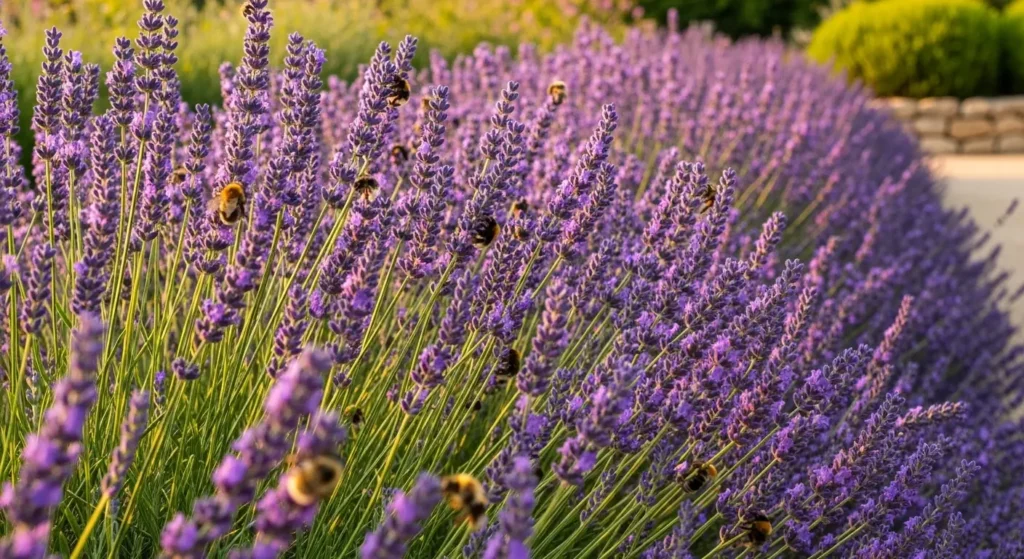
Lavender is the perennial that blooms from spring to fall I find most reliably transforms a garden border through fragrance rather than just color. The visual contribution is significant — silver-grey foliage year-round, purple spikes from early summer. But it is the fragrance that makes a lavender border something people slow down beside.
Cut it back correctly in spring — to where new green growth is visible, never into old brown wood — and it performs reliably for years. The most common lavender failure is cutting into bare old wood which the plant never recovers from.
For how lavender works as part of a complete Mediterranean herb and planting display see our Mediterranean herb planter guide which covers the container and border combinations that suit lavender best.
PRO TIP: Cut lavender flower stems for drying just as the buds begin to open rather than at full bloom. Stems cut at the bud stage produce dried flowers that hold their color and fragrance significantly longer than those cut at full bloom. Dried lavender bundles retain fragrance for one to two years when stored in a cool dry place.
How to Plan a Perennial Border That Blooms All Season
A perennial border with continuous season-long color requires plants from different flowering periods working together:
Early season — May and June
Catmint, Salvia, Veronica, and Iris reticulata carry the early season. These plants peak before the main summer perennials begin and prevent the gap that many mixed borders experience in late spring.
Peak season — July and August
Black-Eyed Susan, Echinacea, Shasta Daisy, Daylilies, Gaillardia, Yarrow, Coreopsis, and Lavender all peak simultaneously creating the most abundant period of the garden year.
Late season — September and October
Black-Eyed Susan, Echinacea seedheads, Gaillardia, Coreopsis, and Russian sage all carry the garden beautifully into autumn. Cutting salvia and catmint back in midsummer produces repeat flowering exactly when other plants begin to wind down.
Winter structure
Leave seedheads of Black-Eyed Susan, Echinacea, and Yarrow standing through winter. They provide food for birds, shelter for beneficial insects, and architectural interest in the winter garden. Cut everything back to the ground in late February before new growth begins.
5 Perennial Garden Mistakes Worth Avoiding
These mistakes consistently reduce the performance and beauty of perennial gardens:
Mistake 1 — Not deadheading
Most flowering perennials slow or stop producing new flowers once they begin setting seed. Regular deadheading redirects energy from seed production back into flower production and significantly extends the blooming period of every plant on this list.
Mistake 2 — Not dividing clumps
Most perennials decline in the center of the clump over time and produce fewer flowers as they become overcrowded. Dividing every three to four years rejuvenates the plants, controls their spread, and gives you free new plants for other parts of the garden.
Mistake 3 — Wrong plant wrong place
Sun-loving drought-tolerant perennials like lavender and Russian sage planted in shade or wet soil perform poorly and often die. Always match the plant’s specific requirements to the actual conditions of your garden rather than planting based on appearance alone.
Mistake 4 — Planting too far apart
Widely spaced perennials leave large areas of bare soil that look unfinished and require constant weeding. Plant at the recommended spacing but fill gaps with annual flowers in the first season while perennials establish. By year two the perennials will have filled in completely.
Mistake 5 — Cutting back too early in fall
Cutting perennials back to the ground in autumn removes winter food sources for birds, overwintering habitat for beneficial insects, and the structural interest that seedheads and dried stems provide in the winter garden. Leave cutting back until late February or early March in most climates.
📌 More garden ideas → 12 Boho Garden Ideas You’ll Love
Frequently Asked Questions
What perennials bloom the longest?
The perennials with the longest individual blooming periods are Coreopsis tickseed and Gaillardia blanket flower, both of which bloom continuously from early summer through the first hard frost with minimal deadheading. Black-Eyed Susan, Echinacea, and Catmint also have exceptionally long seasons particularly when cut back after the first flush to encourage repeat flowering. According to the Royal Horticultural Society Coreopsis Moonbeam is among the most consistently long-blooming of all hardy perennials in temperate garden conditions.
What perennials come back every year without replanting?
All 12 perennials on this list return reliably every year. The most vigorous and longest-lived are Black-Eyed Susan, Echinacea, Daylilies, Yarrow, Catmint, Russian Sage, and Lavender — all establish quickly and improve with age.
What perennials are best for pollinators?
Echinacea, Salvia, Catmint, Lavender, Black-Eyed Susan, and Yarrow are the most valuable on this list — all provide accessible nectar and pollen across an extended season. For maximum pollinator benefit plant at least three together as pollinators navigate more efficiently between food sources in close proximity.
What perennials grow in shade?
Most on this list prefer full sun but Daylilies, Shasta daisies, Echinacea, and Veronica perform adequately with four to five hours of direct sun daily. For deeper shade positions consider Astilbe, Hostas, and Hellebores which are specifically bred for shaded garden conditions.
More Garden Ideas You Will Love
→ 12 Lovely Front Yard Garden Ideas
→ 25 Simple But Stunning Garden Lighting Ideas
→ 12 Tiny Front Garden Ideas on a Budget 🌿
→ How To Turn Old Junk Into Garden Decor
The front border I mentioned at the start — something flowering every week from May through October for four years from one planting — is built from about half the plants on this list.
Catmint at the front edge. Salvia and Veronica for vertical structure. Echinacea and Black-Eyed Susan as the main summer performers. Russian sage running through the middle. Lavender at the corners.
None of it was expensive. None of it gets replanted. It gets better each year while I do less.

Sheikh Hassaan is a digital architect for small businesses and the founder of The Glow Up System. He writes about home decor, garden design, and outdoor living for real American homes – practical ideas that work in actual spaces without oversized budgets.