
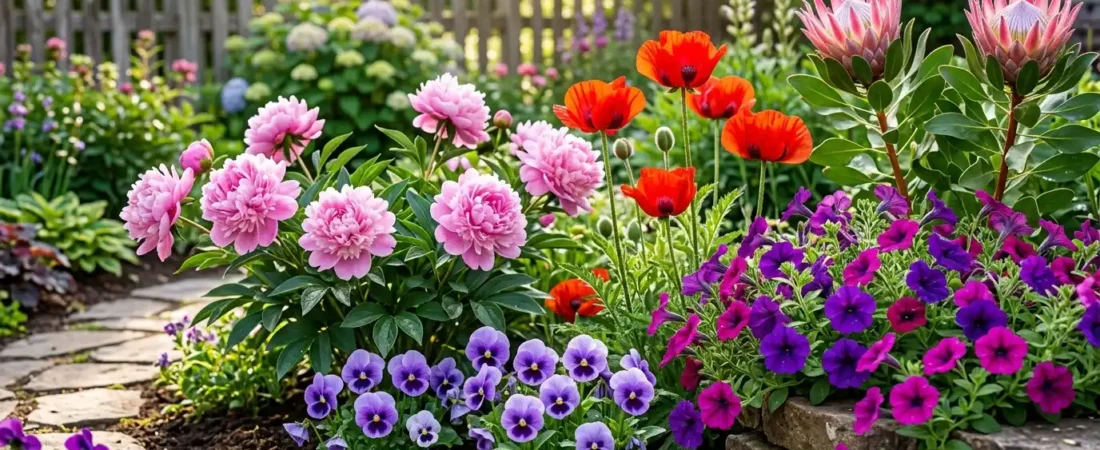
From the delicate petals of a peony to the intricate structure of a passionflower, flowers that start with P offer some of the most spectacular and diverse blooms in the plant kingdom . These botanical wonders have the power to transform any garden into a vibrant, colorful paradise. Whether you’re looking for a classic cut flower, a tropical showstopper, or a hardy perennial, there’s a P-flower waiting for you .
This article covers 15 beautiful flowers that start with P, perfect for American gardens of every size and style. Every suggestion includes growing zones, light requirements, and practical tips. No vague recommendations. No unrealistic expectations. Just reliable, stunning plants that bring color and life to your outdoor space.
Table of Contents
Why Flowers That Start With P Are Garden Favorites
Flowers beginning with the letter P include some of the most beloved and recognizable blooms in gardens worldwide . From the classic peony, which has been cultivated for over 2,000 years and can live for over 100 years, to the cheerful pansy with its distinctive “face-like” markings, these flowers offer incredible variety and charm .
Many flowers that start with P are also incredibly practical. Petunias are among the most popular garden flowers due to their prolific blooms and wide range of colors . Phlox is a mainstay of cottage gardens, owing its continued popularity to its puffy flower clouds and simple nature . Portulaca, also known as moss rose, is a resilient succulent that flourishes in hot and dry conditions, making it perfect for sustainable gardening .
1. Peony: The Classic Showstopper
✦ Best for: Gardens and bouquets where you want large, fragrant, romantic blooms
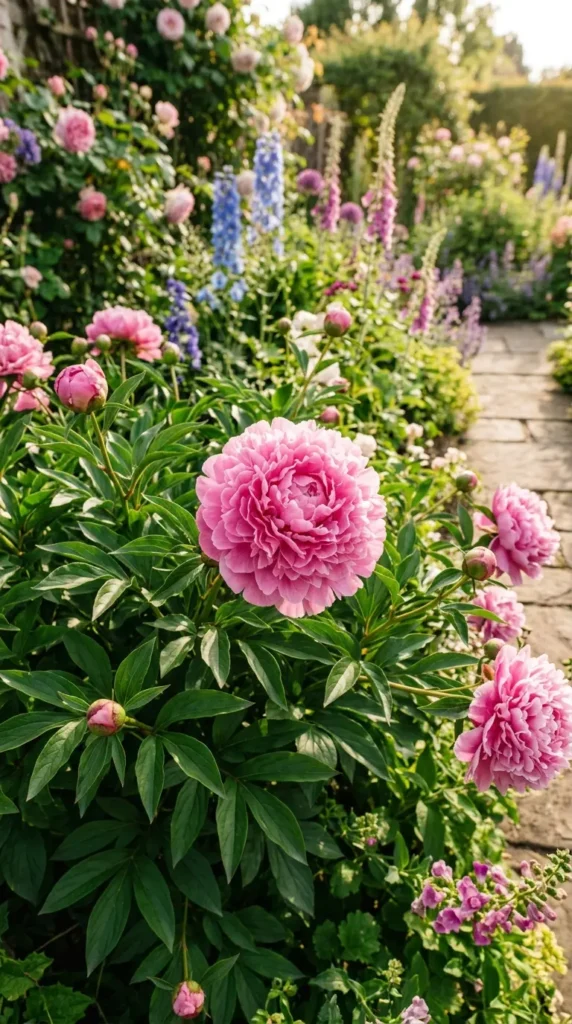
Peonies are beloved for their lush, romantic blooms that come in a variety of colors, including pink, white, red, and even yellow . They are perennials that bloom from late spring to early summer, and their flowers are often several inches across . Peonies are native to Europe, Asia, and parts of North America and are a favorite in gardens and wedding bouquets .
Known as the “noble flower” or “king of flowers” in China, peonies are used in many rituals and traditional events like marriage . Under proper care, peonies can live for over 100 years, making them a lasting heirloom in any garden . They come in herbaceous and tree varieties, each offering a unique visual treat .
Peonies prefer full sun and rich, well-drained soil. They are hardy in USDA zones 3 through 8. Provide a support ring for the heavy flowers to prevent them from flopping after rain .
2. Pansy: The Cheerful Cool-Weather Favorite
✦ Best for: Fall, winter, and spring gardens where you want colorful blooms with distinctive “faces”
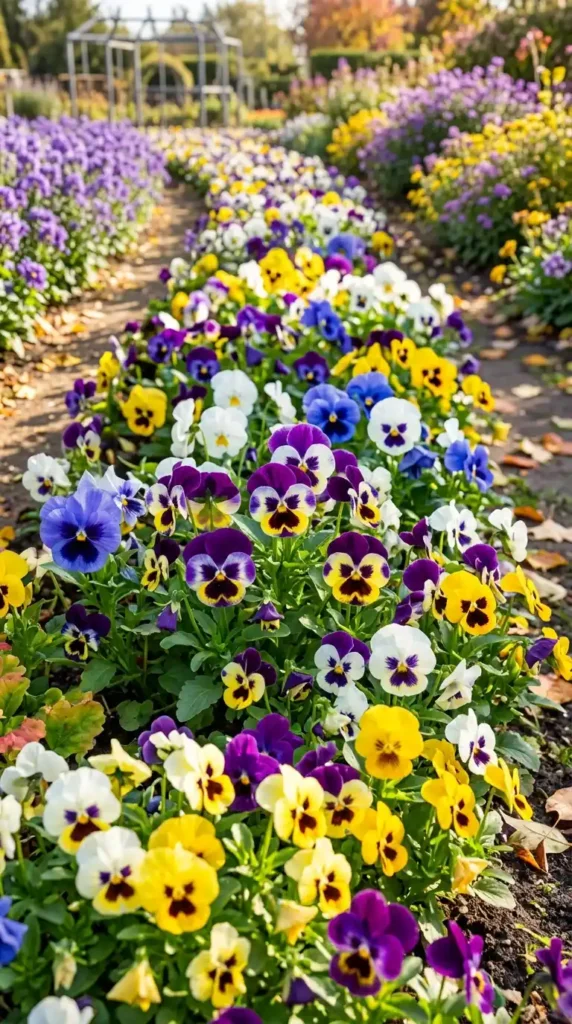
Pansies are cheerful and popular cool-weather flowers known for the “face-like” markings on their petals . They are technically short-lived perennials but are most commonly grown as annuals . They come in a huge variety of colors, including beautiful purple, blue, yellow, and orange varieties .
The name “pansy” comes from the French word “pensée,” which means thought or remembrance . Pansies are associated with the first wedding anniversary and symbolize thoughtfulness and remembrance . Over 500 color and size combinations are available .
Pansies thrive in cool weather and prefer full sun to partial shade. They are versatile and adaptable, making them ideal for beginner gardeners . They are hardy in USDA zones 6 through 10 and bloom from fall through spring in mild climates.
3. Petunia: The Colorful Cascade
✦ Best for: Hanging baskets, containers, and garden beds where you want prolific, colorful blooms
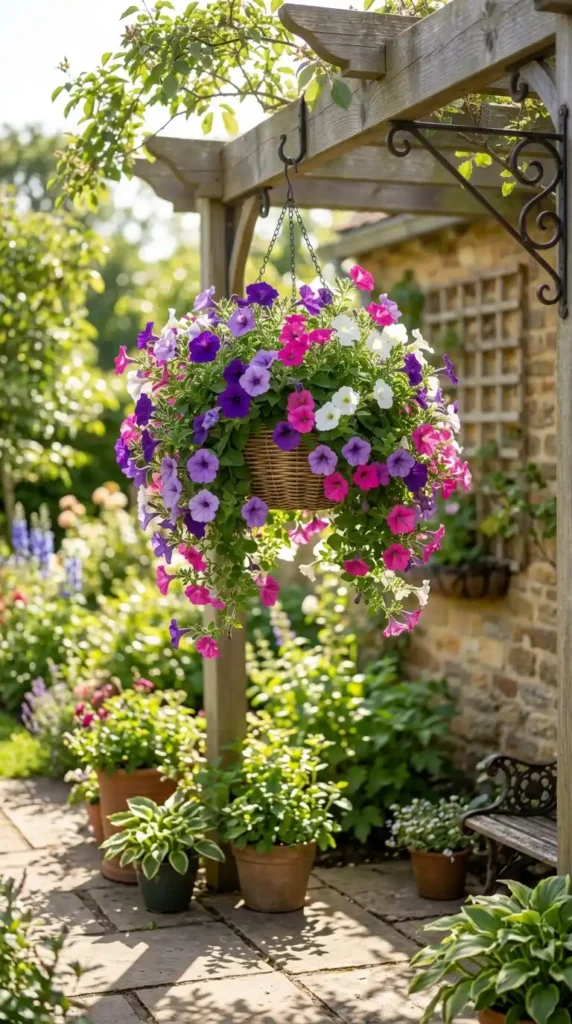
Petunias are one of the most popular flower species found in gardens across the world . They are prolific bloomers that can appear in virtually any color, making them a versatile choice for any garden . Their trumpet-shaped blooms are perfect for hanging baskets and containers .
Petunias are native to South America and are annuals that bloom from spring through fall . They are known for their strong, sweet fragrance and are a favorite of bees and butterflies . Today, you can even find black varieties .
Petunias prefer full sun and well-drained soil. They are hardy in USDA zones 10 through 11 but are grown as annuals in colder climates. Deadheading spent flowers encourages continuous blooming.
4. Poppy: The Delicate Symbol
✦ Best for: Wildflower gardens, meadows, and sunny borders where you want delicate, papery blooms
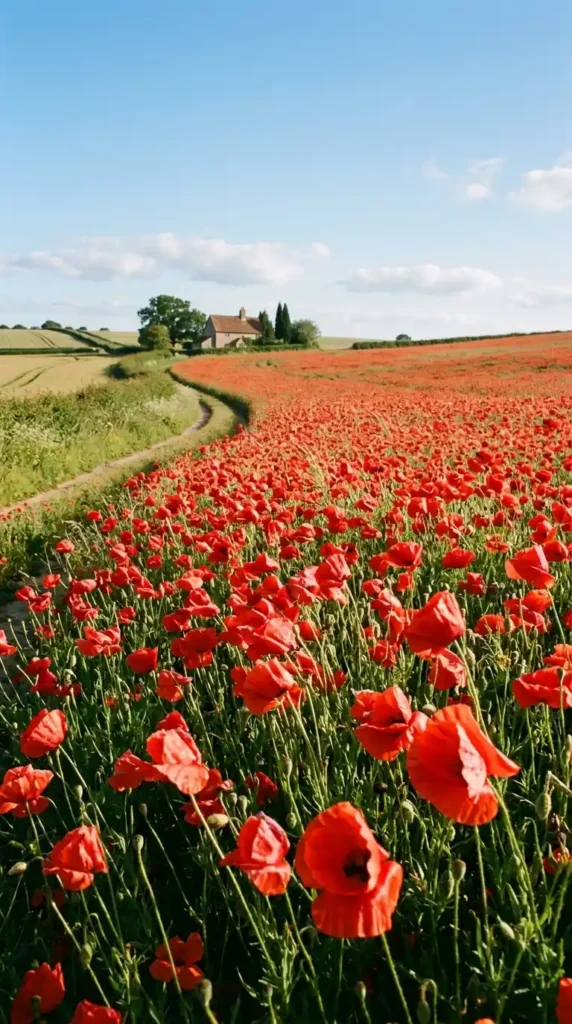
Poppies are known for their delicate, paper-like petals and brightly colored blooms . While red is the most iconic color, they also come in shades of pink, white, orange, and purple . They are herbaceous plants in the Papaveraceae family .
Poppies hold significant cultural and historical importance. They are most commonly associated with remembrance day in the United Kingdom and United States, as they appeared in the fields of Flanders during the First World War . Some species are also cultivated for their medicinal properties .
Poppies prefer full sun and well-drained soil. They are hardy in USDA zones 3 through 9 and bloom from spring to early summer . They do not like to be overwatered and thrive in sunny spots .
5. Primrose: The Spring Herald
✦ Best for: Woodland gardens, shaded borders, and cool, moist areas where you want early spring color
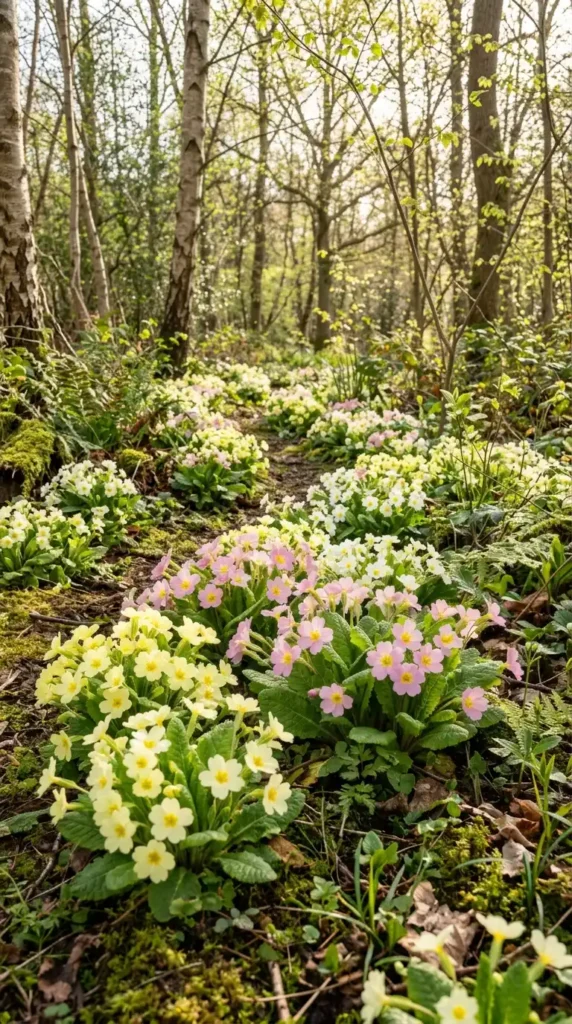
Primroses are one of the first signs of spring, producing delicate and satisfying pale yellow, white, or pink flowers . They are native to northwest Africa, western and southern Europe, and southwest Asia . They prefer cool weather and a bit of light shade .
In the language of flowers, primroses symbolize young love and devotion . In Victorian flower language, they are associated with the sentiment “I can’t live without you” . Many primulas are edible, and their leaves, flowers, and roots are added to beverages, sweet dishes, and salads .
Primroses prefer partial shade and moist, well-drained soil. They are hardy in USDA zones 4 through 8 and bloom in spring. They are excellent for shaded borders and woodland gardens .
6. Passionflower: The Exotic Intricacy
✦ Best for: Trellises, fences, and gardens where you want an exotic, intricate vine with showy blooms
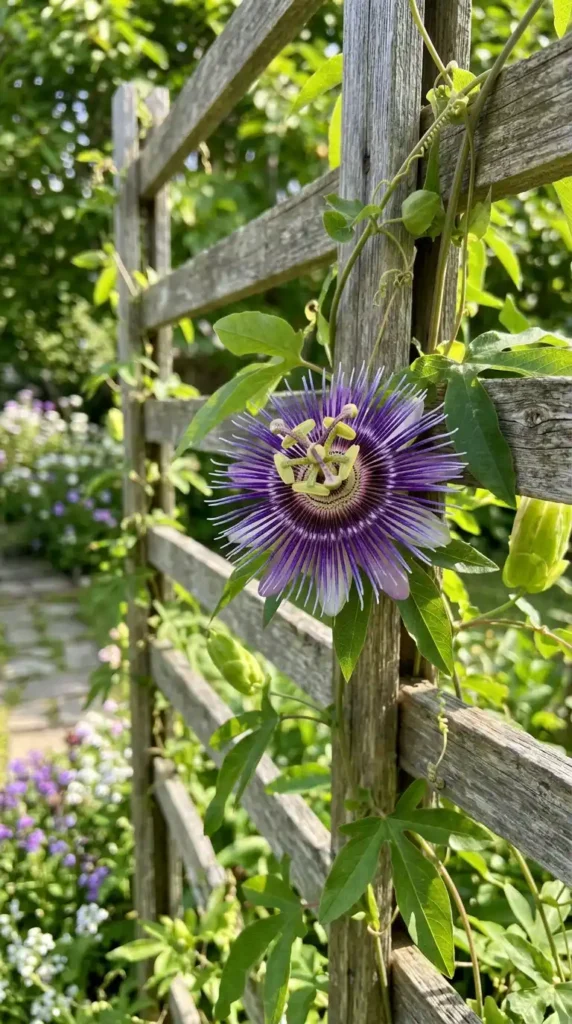
Passionflowers are among the most exotic and intricate-looking flowers in the world . Their complex structure is stunning and unique, featuring a characteristic pattern of radiant filaments and tiered structures . They are a genus of around 500 species, typically growing as large vines .
Passionflowers are native to tropical and subtropical regions of North America . The name “passionflower” comes from Christian missionaries who saw symbolism of the Passion of Christ in the flower’s structure . They are famous for attracting hummingbirds .
Passionflowers prefer full sun to partial shade and well-drained soil. They are hardy in USDA zones 6 through 10 and bloom from summer to fall . Each bloom lasts for only a day, but the plant produces many flowers throughout the season .
7. Protea: The Majestic Marvel
✦ Best for: Gardens in warm climates and floral arrangements where you want a dramatic, long-lasting bloom
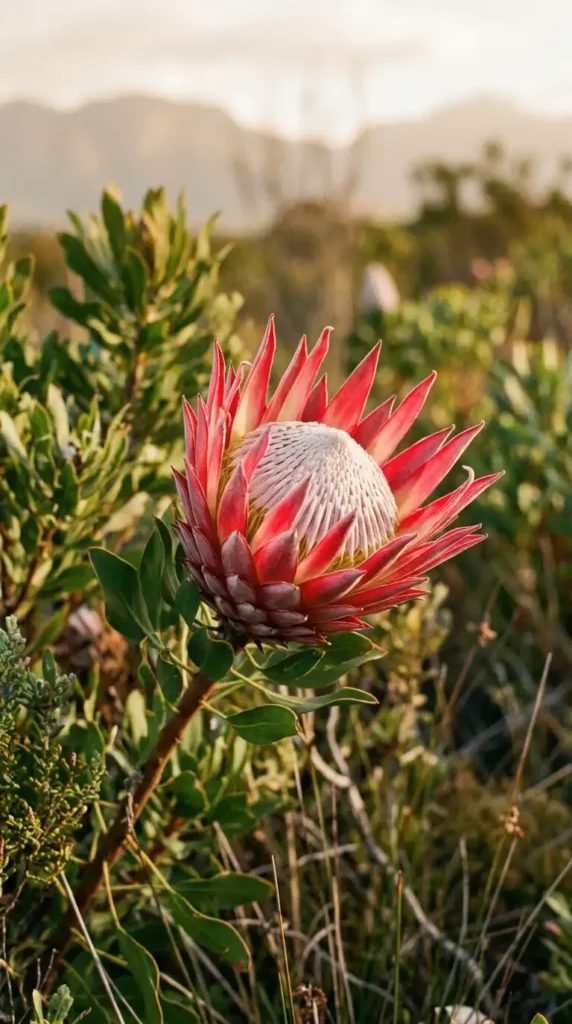
Proteas are unique and dramatic flowers native to South Africa, where they are the national flower . They have a large, bowl-shaped bloom made of stiff, pointed bracts and get their nickname “sugarbush” from their sweet nectar . They can be up to 12 inches across, making them one of the largest flowers in the world .
Proteas symbolize diversity and courage and are often used in floral arrangements, bringing a touch of wild beauty to indoor spaces . They thrive in diverse environments, from mountain slopes to coastal landscapes .
Proteas prefer full sun and well-drained, sandy soil. They are hardy in USDA zones 9 through 11 and bloom from winter to spring . They are drought-tolerant once established and should not be overwatered.
8. Phlox: The Fragrant Carpet
✦ Best for: Cottage gardens, borders, and rock gardens where you want fragrant, colorful blooms in clusters

Phlox is a mainstay of the cottage garden, owing its continued popularity to its puffy flower clouds and simple nature . They produce large clusters of small, star-shaped flowers in shades of white, pink, red, purple, and blue . There are both tall garden varieties and low-growing creeping types .
Phlox symbolizes harmony, unity, and a good partnership in the language of flowers . Garden phlox adds a cottage-garden feel with its large flower clusters in mid-summer, while creeping phlox is a spring superstar, forming a vibrant carpet of color in early seasons .
Phlox prefers full sun and well-drained soil. They are hardy in USDA zones 4 through 8 and bloom from mid to late summer . They are used to attract butterflies and hummingbirds to gardens .
9. Peruvian Lily (Alstroemeria): The Long-Lasting Beauty
✦ Best for: Cutting gardens and flower arrangements where you want long-lasting, colorful blooms
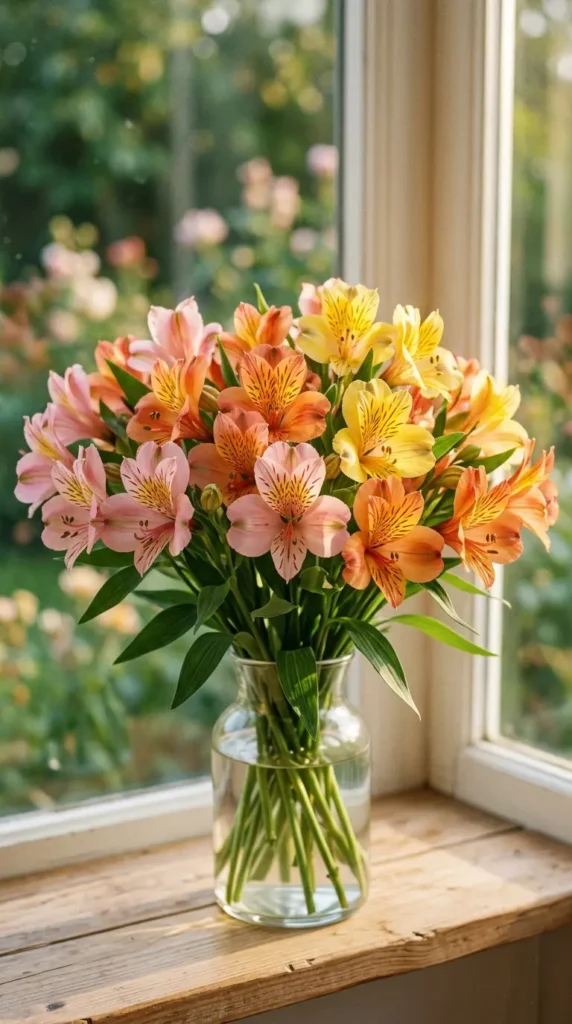
Peruvian lilies, also known as Alstroemeria or lily of the Incas, are native to South America . They feature brightly colored petals, often with contrasting flecks or stripes, and are extremely long-lasting in a vase, making them very popular with florists . They are a favorite for adding tropical flair to gardens and bouquets .
These lilies are hardy plants that are known to grow and spread fast without proper pruning . They typically grow 18 inches per year, producing tropical lily-like flowers in yellow, orange, pink, red, and white . Their flowers twist as they grow, a unique characteristic among flowering plants .
Peruvian lilies prefer full sun to partial shade and rich, well-drained soil. They are hardy in USDA zones 7 through 10 and bloom throughout the summer .
10. Plumeria: The Fragrant Lei Flower
✦ Best for: Tropical and subtropical gardens, containers, and areas where you want fragrant, beautiful blooms
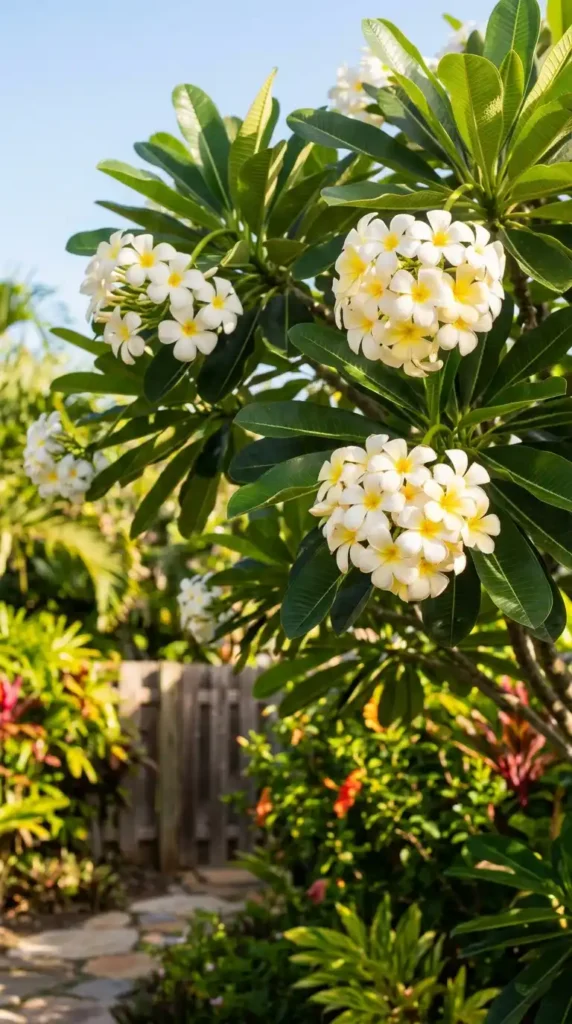
Plumeria, also known as frangipani, is a flowering plant, shrub, or small tree native to Central and South America and the Caribbean . Its fragrant, waxy flowers are commercially grown in Hawaii for making traditional Hawaiian leis . They bloom in shades of white, pink, yellow, and red .
Plumerias are deceptively fragrant to lure sphinx moths to pollinate at night, even though they possess no nectar . Their sweet scent is often used in perfumes and is known for its calming properties . In Indonesia and the Philippines, plumeria is planted in cemeteries .
Plumerias prefer full sun and well-drained soil. They are hardy in USDA zones 10 through 12 and bloom from spring to fall . They can be grown in containers and brought indoors in colder climates.
11. Penstemon: The Hummingbird Magnet
✦ Best for: Sunny borders, native gardens, and areas where you want to attract hummingbirds and pollinators
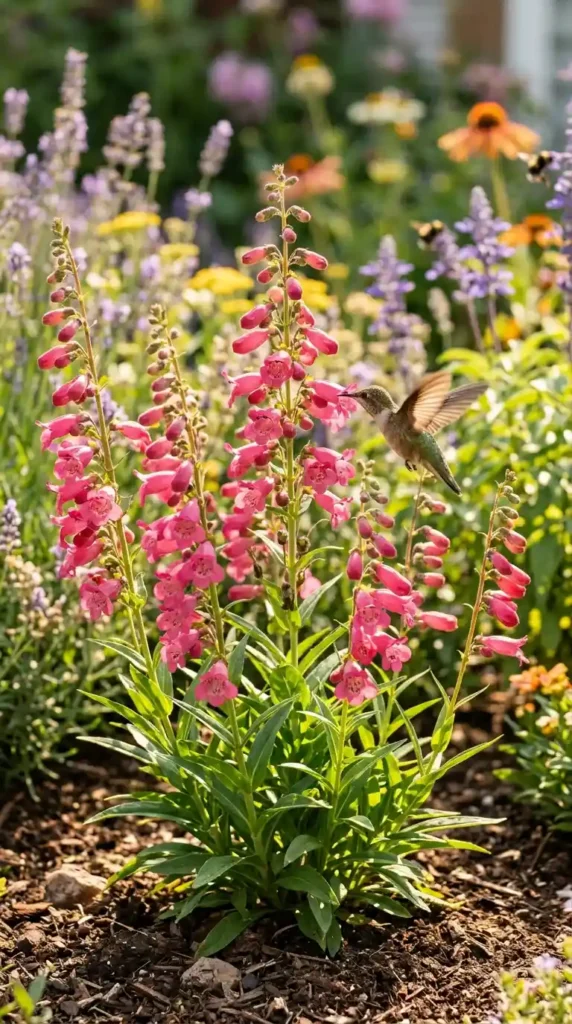
Penstemon, also known as beardtongue, is a genus of around 250 species native to North America, making it the largest genus of flowers endemic to the continent . They produce tube-shaped flowers in a variety of colors, including pink, red, purple, blue, and white .
Penstemons are drought-tolerant once established and attract hummingbirds, bees, butterflies, and other pollinators . Native Americans chewed the plant’s roots and pulp to ease toothaches or accelerate wound healing . The plant gets its “beardtongue” name because the flower has a fuzzy, tongue-like stamen inside .
Penstemons prefer full sun and well-drained soil. They are hardy in USDA zones 3 through 8 and bloom from late spring to midsummer . They are a great choice for native plant landscapes .
12. Periwinkle (Vinca): The Hardy Groundcover
✦ Best for: Ground cover in shaded areas where you want evergreen foliage and delicate blue flowers
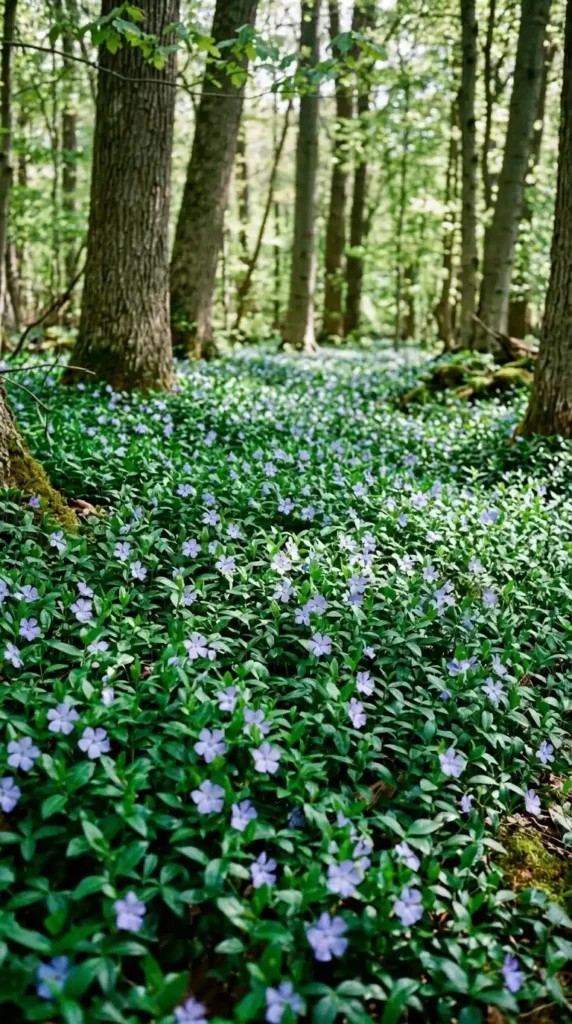
Periwinkle is a hardy groundcover plant that produces delicate, five-petaled flowers, often in a beautiful lavender-blue color . It is one of the most popular groundcovers, known for its hardiness and ability to thrive in shaded areas .
Periwinkle is native to Europe and Asia and is commonly found in woodlands and gardens . It is often used as a ground cover and symbolizes friendship and memory in some cultures . It has phlox-like, tubular flowers that appear in spring and bloom intermittently through fall .
Periwinkle prefers partial to full shade and well-drained soil. It is hardy in USDA zones 4 through 9 and blooms in spring to early summer . It is an excellent choice for woodland gardens and under trees.
13. Portulaca: The Resilient Beauty
✦ Best for: Rock gardens, containers, and sunny, dry spots where you want colorful, drought-tolerant blooms
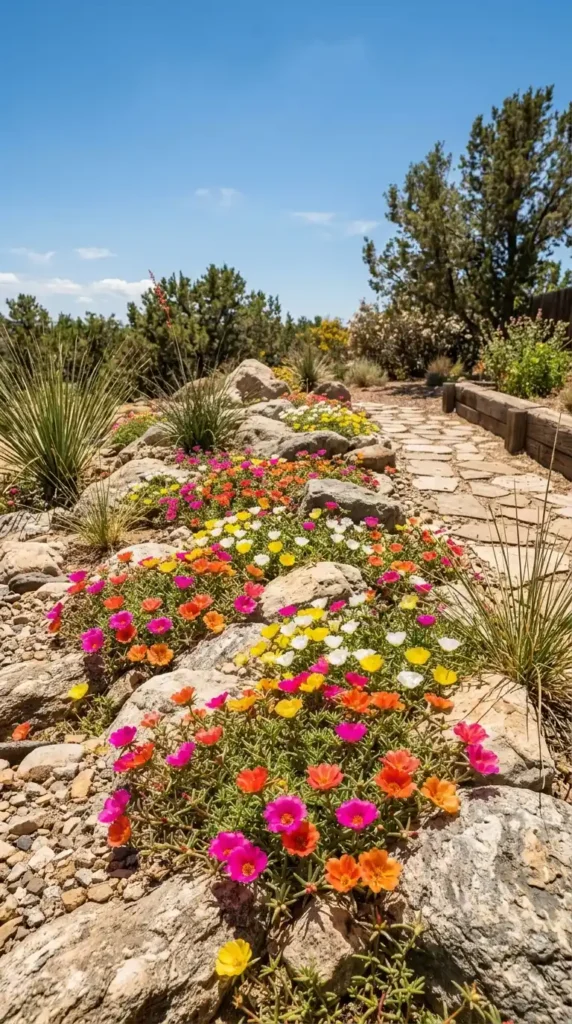
Portulaca, often called moss rose or purslane, is a resilient succulent that flourishes in hot and dry conditions . It features vibrant, jewel-toned flowers in shades of red, pink, orange, yellow, and white . Its delicate, silk-like petals create a striking contrast against its succulent foliage .
Portulaca is a perfect choice for xeriscaping and water-wise gardening, as its succulent nature allows it to store water . The flowers open during the day and close at night, adding an element of surprise to their beauty . It is a favorite for adding color to arid landscapes and sunny spots .
Portulaca prefers full sun and well-drained soil. It is hardy in USDA zones 10 through 11 but is grown as an annual in colder climates. It blooms from summer through fall.
14. Pincushion Flower (Scabiosa): The Unique Structure
✦ Best for: Borders, cutting gardens, and areas where you want unique, delicate blooms that attract butterflies
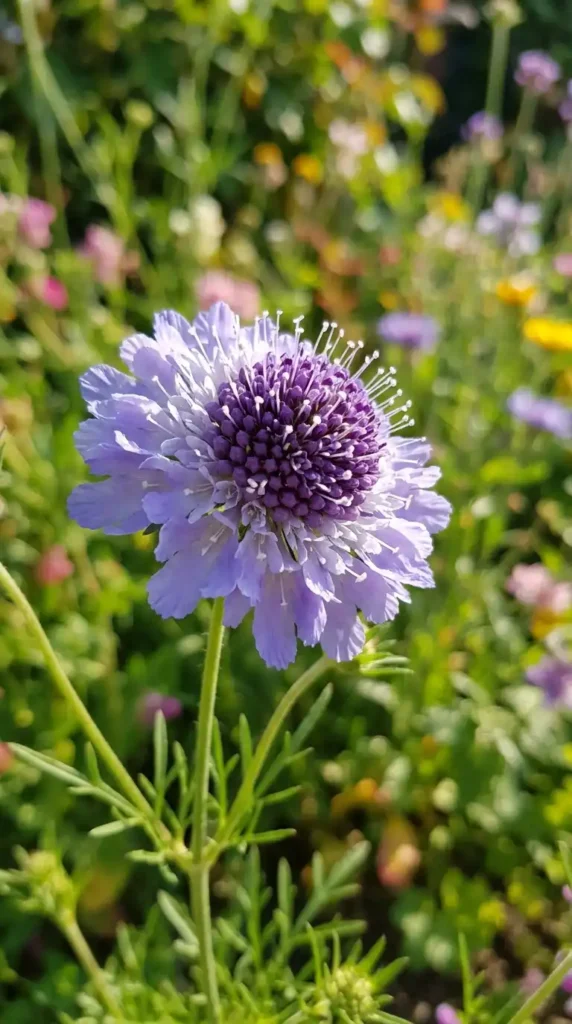
Pincushion flowers get their name because their unique, dome-shaped bloom looks like a pincushion filled with pins . They produce an intricate network of light pink to purple petals, creating a delicate yet dense-looking flower . They are native to Europe .
Pincushion flowers have a fine scent that attracts beneficial insects like butterflies and bees to the garden . They make a beautiful and unusual addition to any garden . They are often found in shades of blue, lavender, and white .
Pincushion flowers prefer full sun and well-drained soil. They are hardy in USDA zones 3 through 7 and bloom from late spring to early fall. Deadheading encourages continuous blooms.
15. Peace Lily: The Elegant Houseplant
✦ Best for: Indoor display in low light, where you want air-purifying plants with elegant white blooms
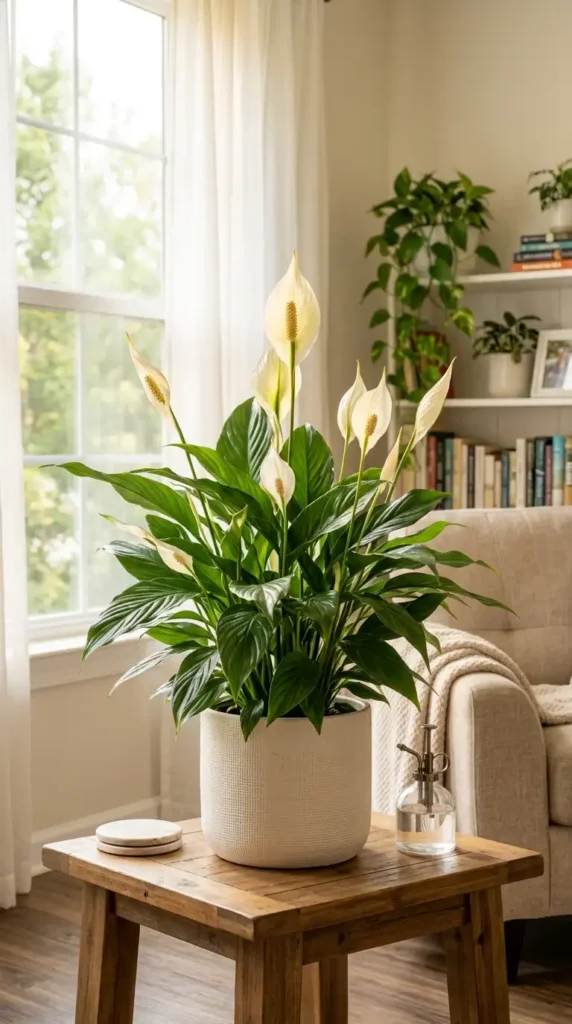
Peace lilies are tropical flowering species that are most commonly bought as a houseplant . They are herbaceous perennials that produce a large ivory petal with a protruding spadix in the middle . They are known for their ability to create a serene environment and improve indoor air quality .
Peace lilies are easy to grow and relatively trouble-free . In low-light bathrooms, they may not produce flowers, but their lush foliage still adds significant beauty . They are one of the most popular houseplants for their striking white flowers that contrast with their dark green leaves .
Peace lilies prefer low to medium light and thrive in humid environments. They need regular watering but do not overwater. They are mildly toxic if ingested, so keep them out of reach of pets and children .
Frequently Asked Questions About Flowers That Start With P
What are the most popular flowers that start with P?
The most popular flowers that start with P include peonies, pansies, petunias, poppies, primroses, and phlox . These flowers are widely grown in gardens, used in bouquets, and available at garden centers across the country. They offer a wide range of colors, sizes, and growing habits.
What are the easiest flowers that start with P to grow?
Petunias and pansies are among the easiest P-flowers to grow for beginners . They are adaptable and forgiving, making them great choices for new gardeners. Portulaca is also incredibly resilient and thrives in hot, dry conditions with minimal care .
What purple flowers start with P?
Many purple flowers start with P, including petunias, pansies, phlox, pasque flowers, and purple coneflowers . These flowers add a beautiful pop of purple to any garden and are available in various shades, from deep violet to soft lavender.
What flowers that start with P are best for hummingbirds?
Penstemon and passionflowers are excellent for attracting hummingbirds . Penstemon’s tubular flowers are perfectly shaped for hummingbird beaks, while passionflowers are famous for their showy blooms that hummingbirds love .
What climbing flowers start with P?
Passionflower is the most popular climber starting with P, with around 500 species available . It climbs fences and trellises with ease, producing stunning, intricate flowers. Pink trumpet vine (Podranea) is another vigorous climber with large pink blooms .
Related Articles
15 Flowers That Start With C You’ll Love Growing
Plants That Attract Butterflies Every Gardener Should Grow
Companion Plants for Tomatoes That Boost Your Harvest
Companion Plants for Cucumbers for Bigger, Better Harvests
From climbing passionflowers to ground-hugging periwinkle, flowers that start with P offer endless possibilities for every garden style. Choose your favorites and start planting.

Sheikh Hassaan is a digital architect for small businesses and the founder of The Glow Up System. He writes about home decor, garden design, and outdoor living for real American homes – practical ideas that work in actual spaces without oversized budgets.