
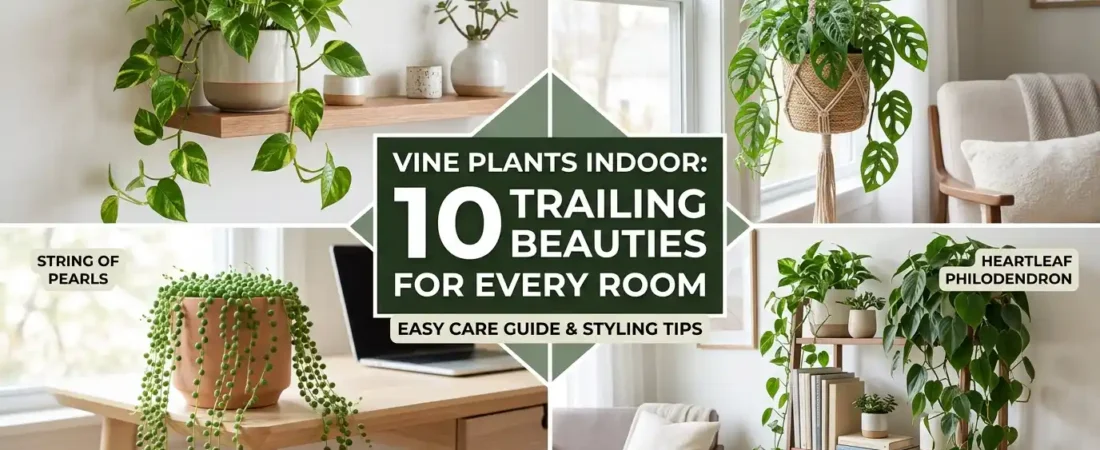
There is something enchanting about a plant that cascades down from a shelf or climbs gracefully up a wall. Vine plants add a sense of life, movement, and softness to any room that upright plants simply cannot match. They soften hard edges, fill empty vertical space, and create a lush, jungle-like atmosphere. Whether you want a trailing beauty for a hanging basket or a climber to train up a trellis, there is a perfect vine for every indoor space.
This guide covers ten of the best vine plants indoor, from the unkillable pothos to the delicate string of hearts. Every suggestion includes specific care tips, light requirements, and practical advice. No complicated routines. Just beautiful, trailing plants that thrive indoors.
Table of Contents
Why Vine Plants Are Perfect for Indoor Spaces
Vine plants are incredibly versatile. They can be grown in hanging baskets, on shelves, or trained to climb up moss poles, trellises, or walls. They are perfect for adding greenery to awkward corners, filling empty wall space, or creating a living curtain. Many are also fast-growing, so they provide quick results for impatient plant parents. Best of all, many vine plants are among the easiest houseplants to care for, making them perfect for beginners.
1. Pothos: The Unkillable Favorite
✦ Best for: Hanging baskets, shelves, and anywhere you want a fast-growing, forgiving vine
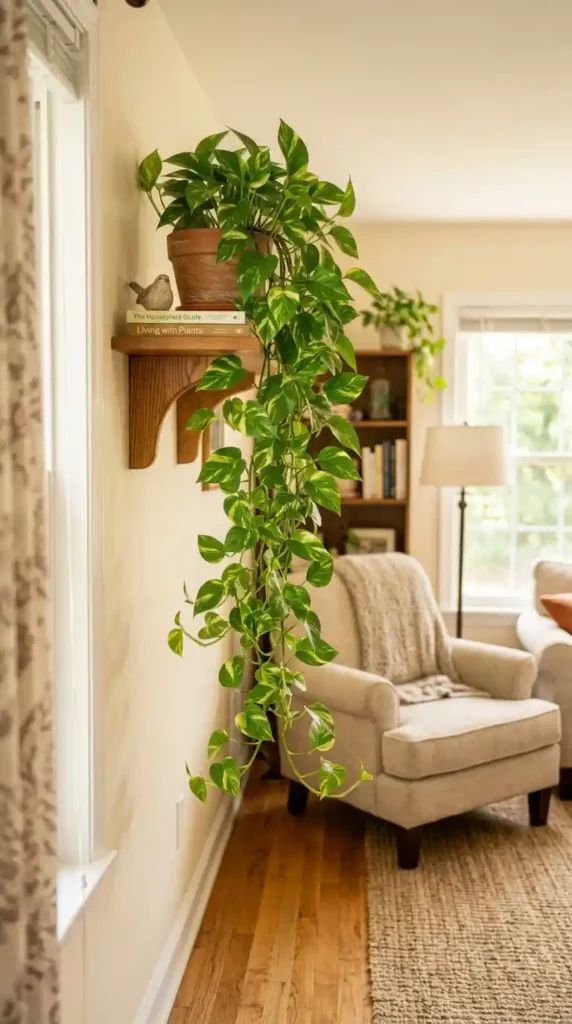
Pothos, also called Devil’s ivy, is one of the easiest and most forgiving houseplants you can grow. It has a trailing or climbing habit and can be trained on a trellis or allowed to cascade from a hanging basket. It is fast-growing and adapts to various conditions, including low light.
Care Tips: Water when the top inch of soil feels dry. Tolerates low to bright indirect light. Grows in water or soil. Pinch tips to promote fullness.
2. Heartleaf Philodendron: The Tropical Cascader
✦ Best for: Adding a tropical vibe to desks, shelves, and hanging baskets
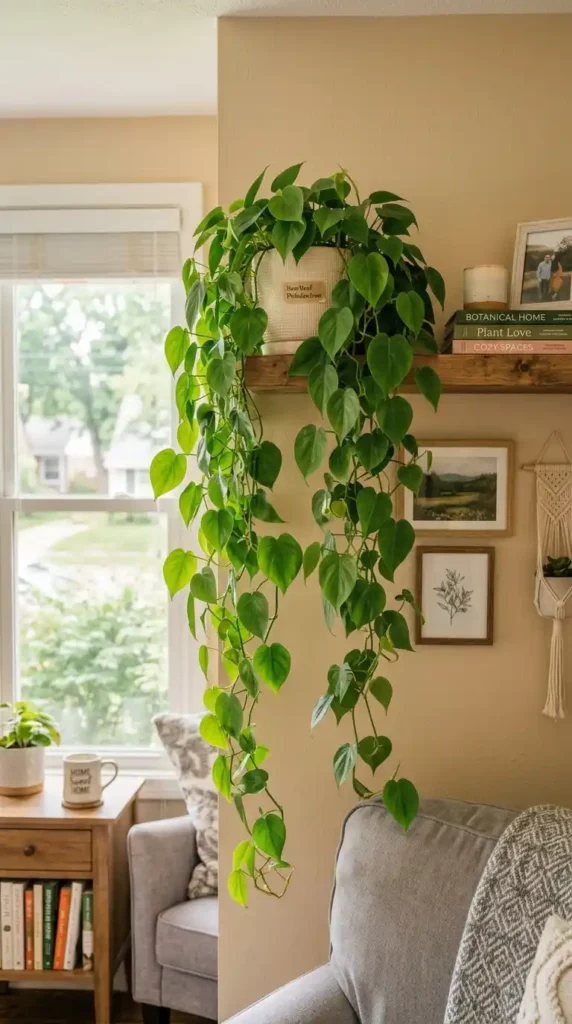
Heartleaf philodendron is a classic trailing plant with heart-shaped leaves that add a touch of softness to any space. It tolerates low light well and grows reasonably quickly even in shade. The leaves become darker green in low light as the plant increases chlorophyll density.
Care Tips: Water when the top inch of soil feels dry. Place in low to bright indirect light. Trim back long vines to maintain shape. Easy to propagate from stem cuttings.
3. String of Hearts: The Delicate Beauty
✦ Best for: Hanging baskets where its delicate, heart-shaped leaves can trail gracefully
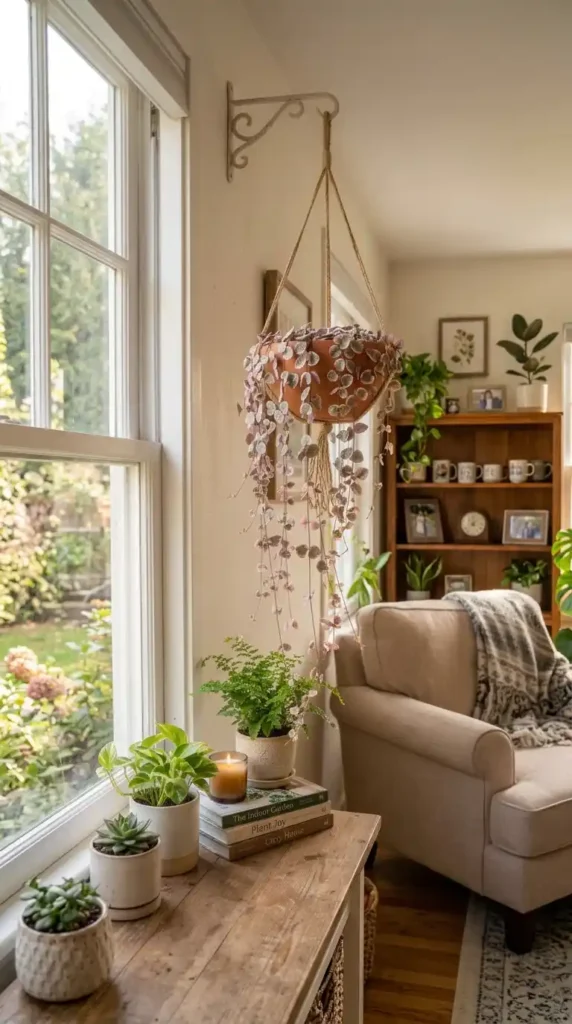
The string of hearts is a gorgeous, trailing succulent with beautiful heart-shaped leaves. The variegated version features stunning pink and cream splashes, making it a highly sought-after plant. It is a slow grower but well worth the wait.
Care Tips: Place in bright, indirect light to maintain variegation. Water sparingly; it is drought-tolerant. Allow the soil to dry out between waterings.
4. Monstera Adansonii: The Swiss Cheese Vine
✦ Best for: Hanging baskets and climbing trellises where its holey leaves can be admired
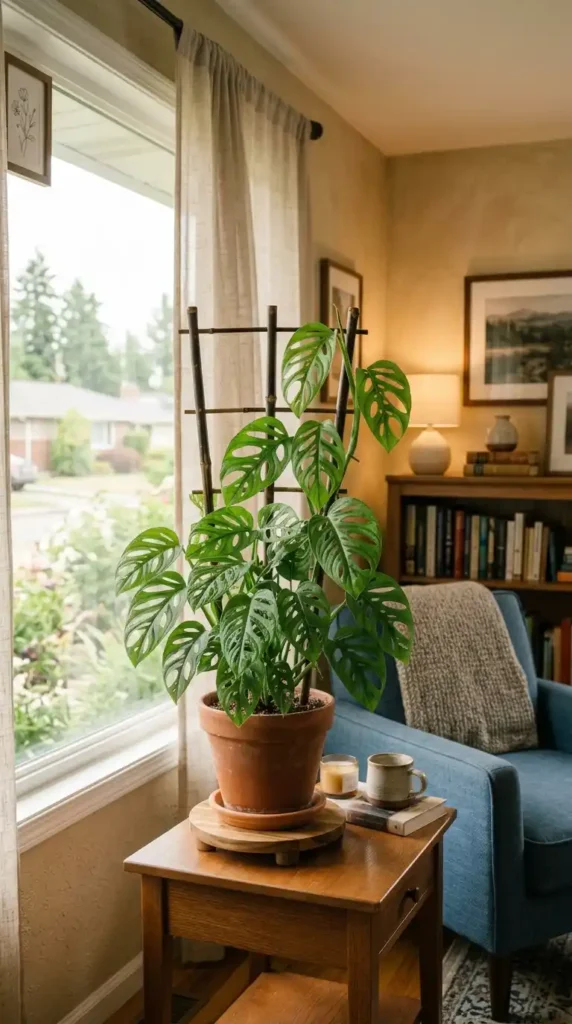
Often called the Swiss cheese vine, the Monstera adansonii is a smaller, more delicate relative of the Monstera deliciosa. Its leaves are covered in distinctive holes and splits, making it a fascinating and beautiful plant. It has a trailing or climbing habit.
Care Tips: Prefers bright, indirect light but tolerates lower light. Water when the top inch of soil feels dry. Provide a moss pole or trellis for climbing.
5. Hoya: The Wax Plant
✦ Best for: Adding unique foliage and fragrant flowers to your indoor garden
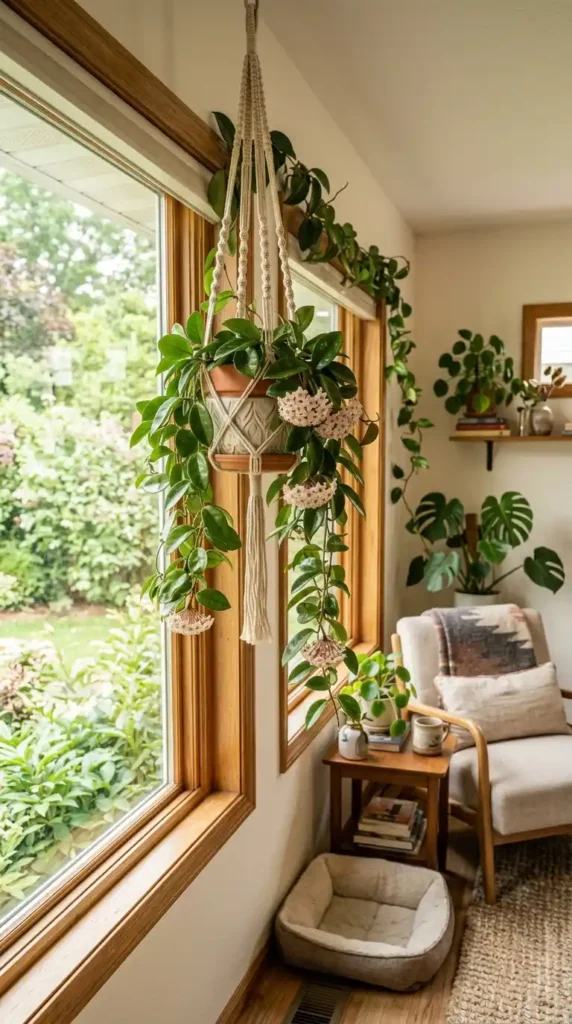
Hoyas are unique trailing plants with thick, waxy leaves and clusters of star-shaped, fragrant flowers. They are slow-growing but incredibly rewarding when they bloom. The Hindu rope hoya has distinctive twisted, curled leaves.
Care Tips: Place in bright, indirect light. Water sparingly; allow the soil to dry out between waterings. Hoyas are drought-tolerant and prefer to be slightly root-bound.
6. String of Pearls: The Beaded Beauty
✦ Best for: Making a quirky statement in hanging baskets and bright rooms
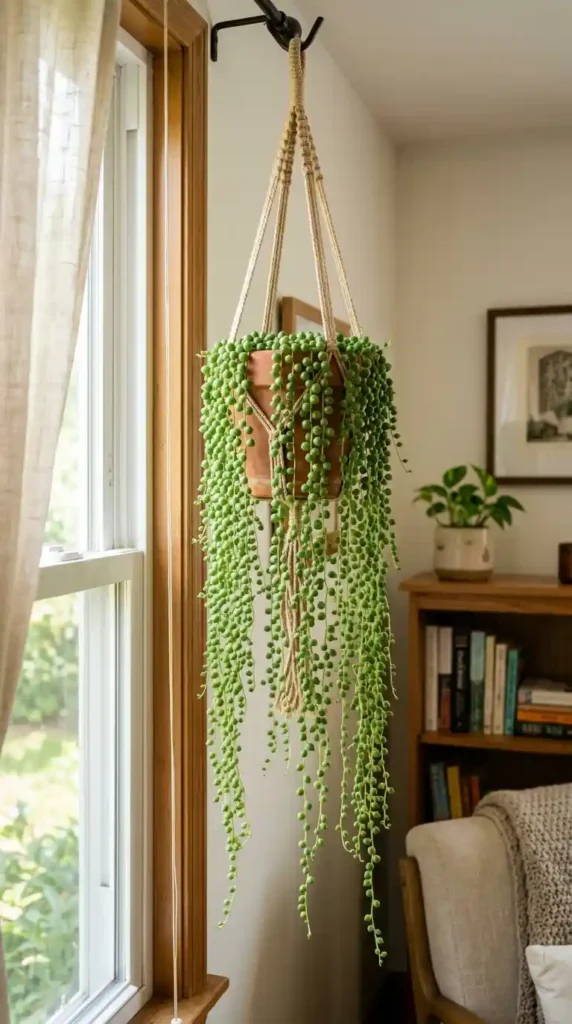
The string of pearls is a unique succulent with bead-like leaves that trail down like a curtain of tiny pearls. It is a stunning and unusual plant that is sure to be a conversation starter.
Care Tips: Place in bright, indirect light. Water sparingly; allow the soil to dry out completely between waterings. Overwatering is the most common cause of death.
7. English Ivy: The Classic Climber
✦ Best for: Training up trellises, walls, and topiaries for a classic, elegant look
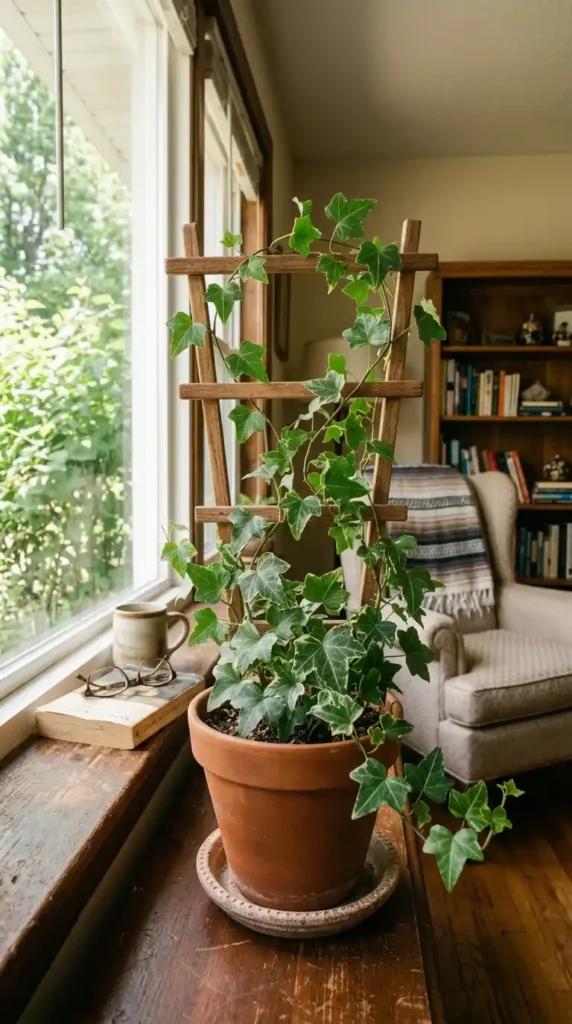
English ivy is a classic climbing vine that can be trained to grow up trellises, walls, and topiaries. It has dark green leaves with white veins and is relatively low-maintenance. It is also known for its ability to reduce airborne mold.
Care Tips: Place in bright, indirect light. Water when the top inch of soil feels dry. Keep away from drafts and heat sources.
8. Tradescantia: The Colorful Cascader
✦ Best for: Adding a pop of color with its purple and variegated foliage
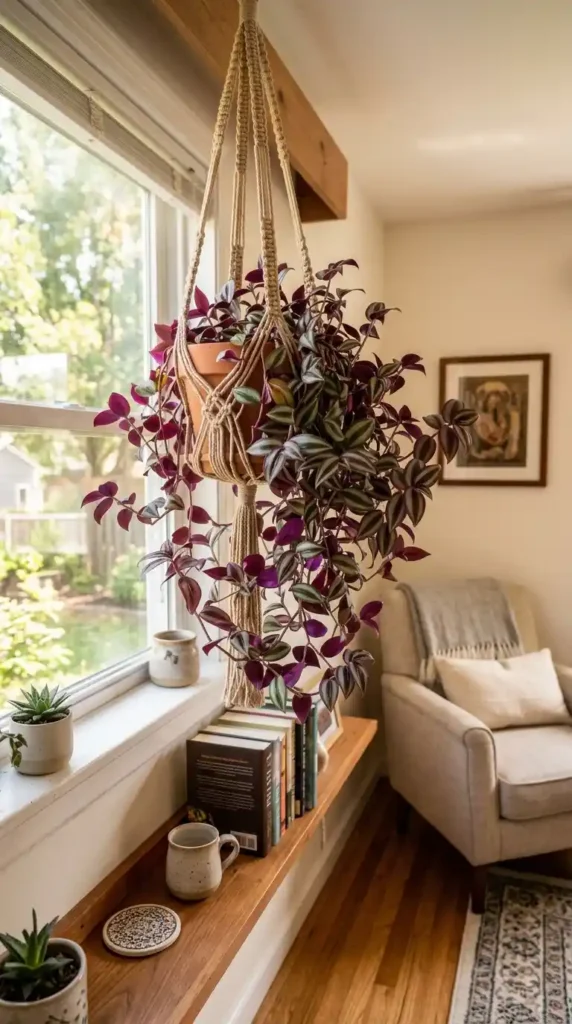
Tradescantia, also known as wandering dude, is a fast-growing trailing plant with colorful, variegated foliage. Its leaves come in shades of purple, green, and silver, adding a vibrant pop of color to any room.
Care Tips: Place in bright, indirect light to maintain color. Water when the top inch of soil feels dry. Pinch back stems to encourage bushy growth.
9. Scindapsus: The Satin Pothos
✦ Best for: Adding subtle elegance with its velvety, silver-splashed foliage
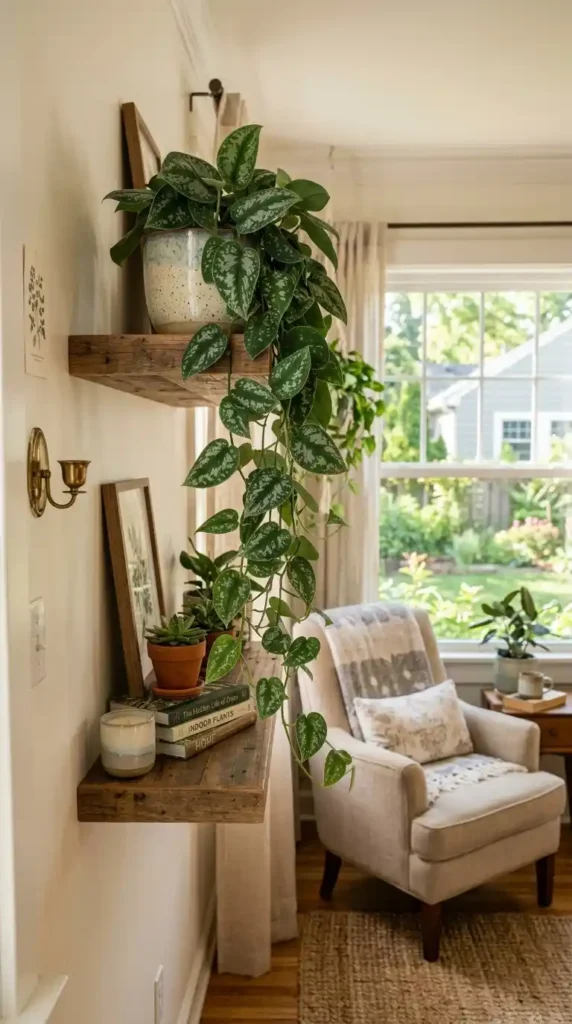
Scindapsus pictus, often called satin pothos or silver vine, is a stunning trailing plant with velvety dark green leaves splashed with silver. It is a close relative of the pothos but has a slightly more delicate appearance.
Care Tips: Place in bright, indirect light to maintain the silver variegation. Water when the top inch of soil feels dry. It is a slow to moderate grower.
10. Cissus: The Grape Ivy
✦ Best for: Adding a delicate, grapevine-like look to hanging baskets and trellises
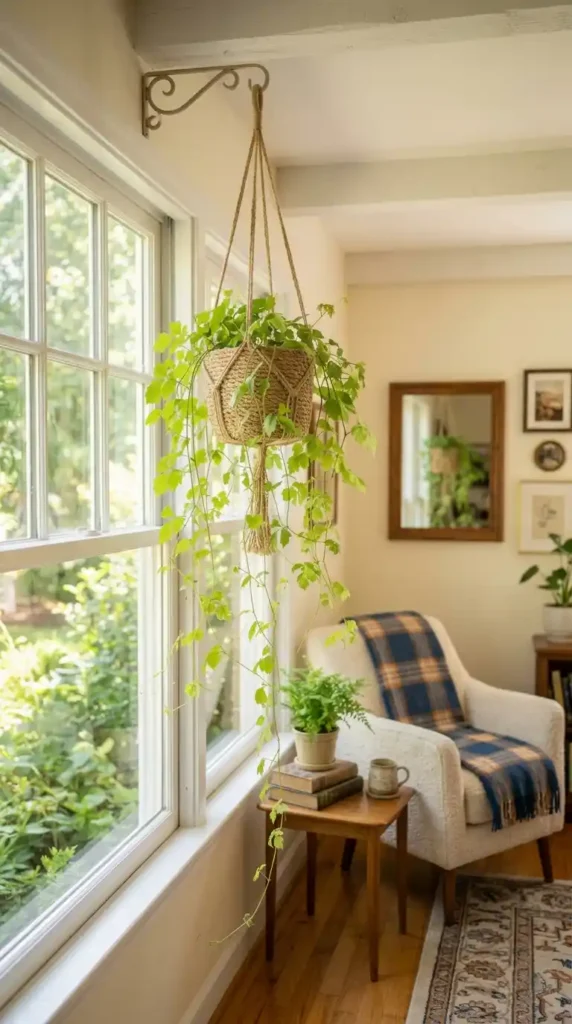
Cissus, also known as grape ivy, is a delicate-looking vine with leaves that resemble grapevine leaves. It is a fast-growing, easy-care plant that looks beautiful in hanging baskets or trailing over shelves.
Care Tips: Place in bright, indirect light. Water when the top inch of soil feels dry. It prefers consistently moist soil but is forgiving.
Frequently Asked Questions About Vine Plants Indoor
1. What are the easiest vine plants for beginners?
Pothos, heartleaf philodendron, and English ivy are among the easiest vine plants for beginners. They tolerate neglect, low light, and irregular watering.
2. How do I train a vine plant to climb?
Provide a moss pole, trellis, or wall-mounted grid. Gently tie the vines to the support using soft plant ties or garden twine. As the plant grows, continue to secure new growth to the structure.
3. What are the best vine plants for hanging baskets?
Pothos, string of hearts, string of pearls, and Tradescantia are excellent for hanging baskets. Their cascading growth habit makes them ideal for displaying in hanging planters.
4. Do vine plants need a lot of light?
Most vine plants prefer bright, indirect light but many tolerate lower light conditions. Pothos and heartleaf philodendron are particularly adaptable to low-light areas.
Related Articles
Tropical Plants Indoor: 10 Jungle Favorites That Thrive Inside
10 Rare Indoor Plants That Look Too Beautiful to Be Real
Indoor Plant Trellis: 7 Ways to Support Your Climbing Houseplants
Never Buy Rosemary Again: Grow Rosemary Plant Indoors
Vine plants bring movement and life to any room. Whether cascading from a basket or climbing a wall, they add a touch of nature’s elegance to your indoor space.

Sheikh Hassaan is a digital architect for small businesses and the founder of The Glow Up System. He writes about home decor, garden design, and outdoor living for real American homes – practical ideas that work in actual spaces without oversized budgets.