
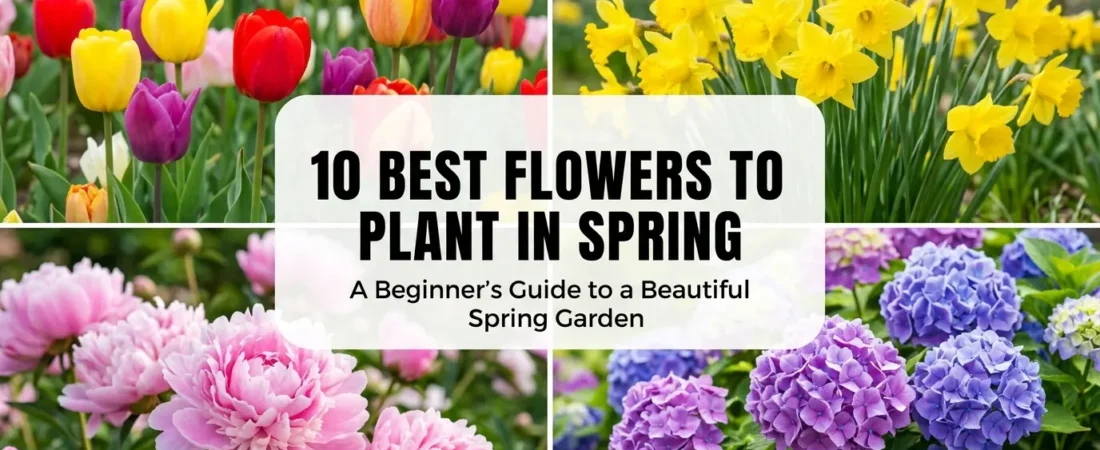
April is when I realize which of my spring planting decisions from March were right and which ones I should have made differently. The pansies I put in too late. The sweet peas I started on time that are already climbing. The zinnias I have not sown yet that need to go in this weekend.
The best flowers to plant in spring are not complicated choices. They are reliable plants that deliver color, fragrance, and cut flowers across the full growing season without requiring specialist knowledge or ideal conditions.
These 10 cover the full range — from frost-hardy early-season flowers you can plant right now, to heat-loving annuals that go in after the last frost date. Every one is suited to home gardeners at any skill level.
Table of Contents
1. Tulips — The Most Spectacular Spring Flower in Any Garden
✦ Tulips
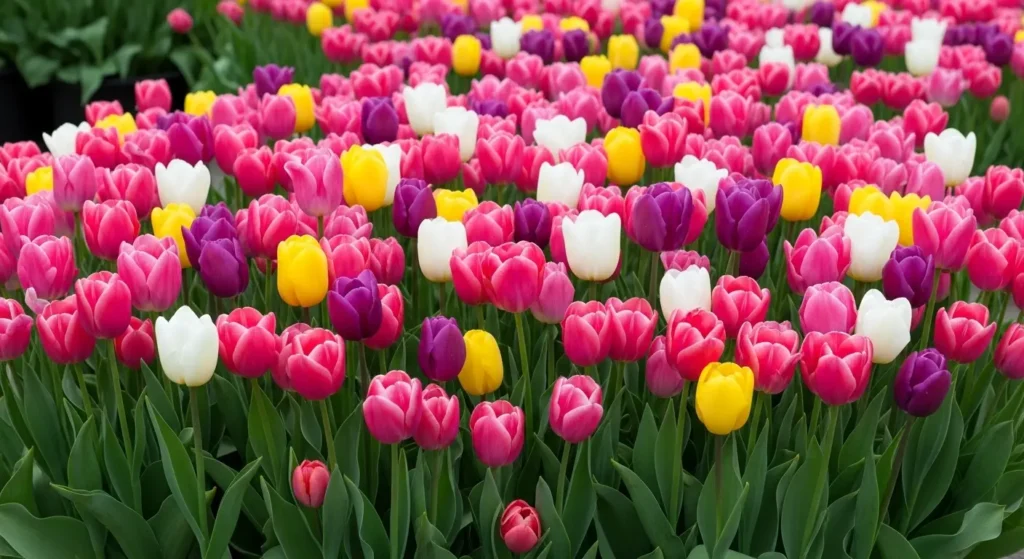
Tulips are the undisputed stars of the spring garden. Their bold upright stems, their wide range of colors from pure white to near-black, and the sheer drama of a mass planting make them the spring flower most people picture first when they think of a beautiful garden in April and May.
For the complete fall bulb planting approach that produces the best spring tulip display see our spring bulbs to plant in fall guide which covers planting depth, double-layer technique, and timing.
PRO TIP: Buy tulip bulbs in the largest size available. Bulb size directly determines flower size and stem strength. The largest bulbs produce the tallest stems and the most impressive flowers. For container displays in particular the difference between small and large bulbs is immediately visible.
2. Pansies — The Hardiest and Most Long-Flowering Spring Bedding Plant
✦ Pansies
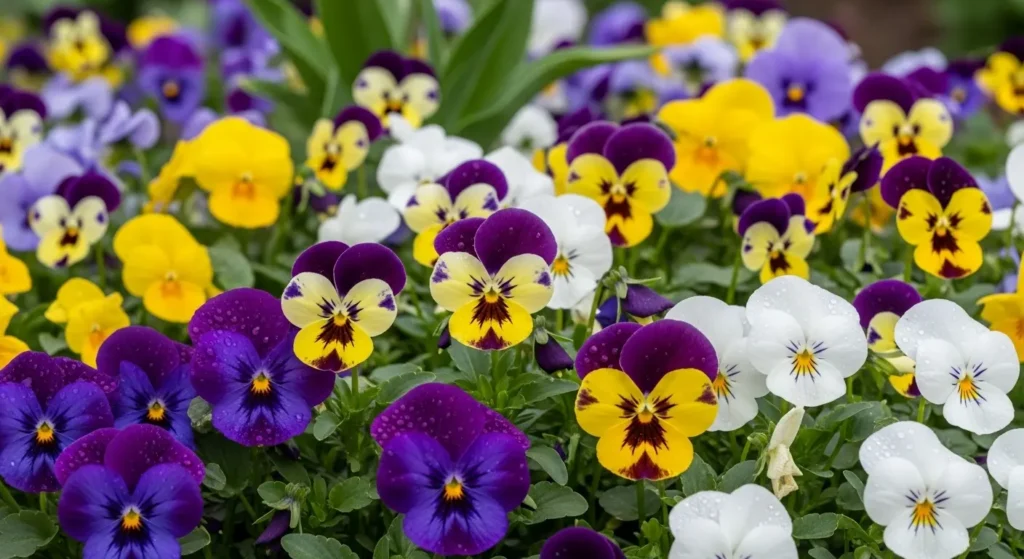
Pansies are the most reliable spring bedding flower available. They tolerate frost, flower continuously from late winter through spring, and produce new blooms at a rate that few other flowers can match. The distinctive face markings of most varieties give them a personality that other flowers lack.
Plant pansies as soon as garden centers stock them in late winter or early spring. They handle light frost without damage and establish quickly in cool spring conditions. Deadhead regularly to maintain continuous flowering. A tray of mixed pansies costs $5 to $8 and fills a generous border section or large container completely. For the longest season choose varieties specifically labeled as trailing for container use.
3. Sweet Peas — The Most Fragrant Climbing Flower of the Entire Year
✦ Sweet Peas
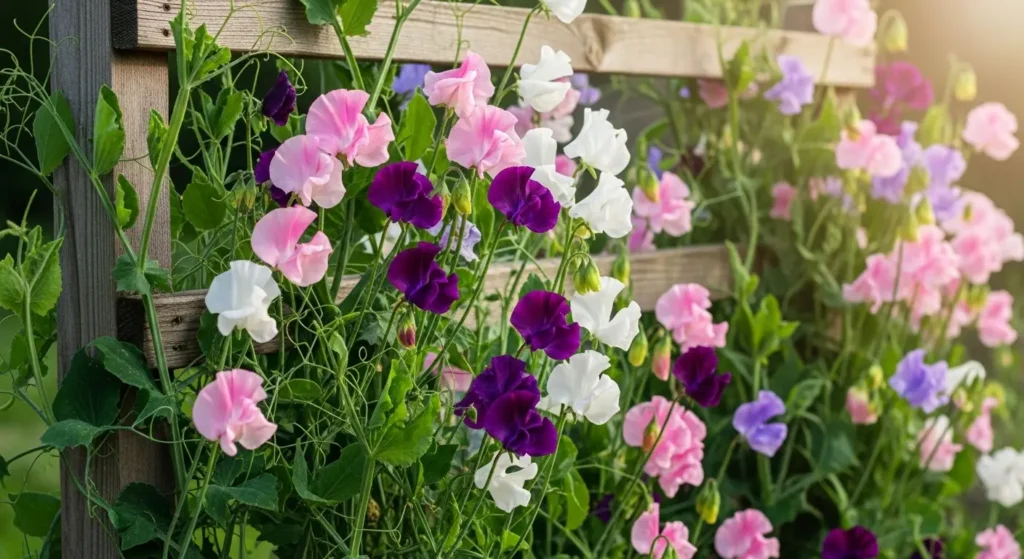
Sweet peas are the best flower to plant in spring if fragrance is the priority. The delicate ruffled flowers produce a fragrance on warm spring evenings that I find impossible to describe accurately to someone who has not stood in a garden beside a well-established sweet pea trellis at dusk.
They are also the most obliging cutting flower available. Pick them and they produce more. Leave them and they set seed and stop. The cutting IS the maintenance.
PRO TIP: Soak sweet pea seeds in water overnight before planting. The tough seed coat softens with soaking and germination speed increases significantly. Some gardeners nick the seed coat gently with a nail file before soaking for even faster germination results.
4. Marigolds — The Most Useful and Most Reliable Summer Annual
✦ Marigolds
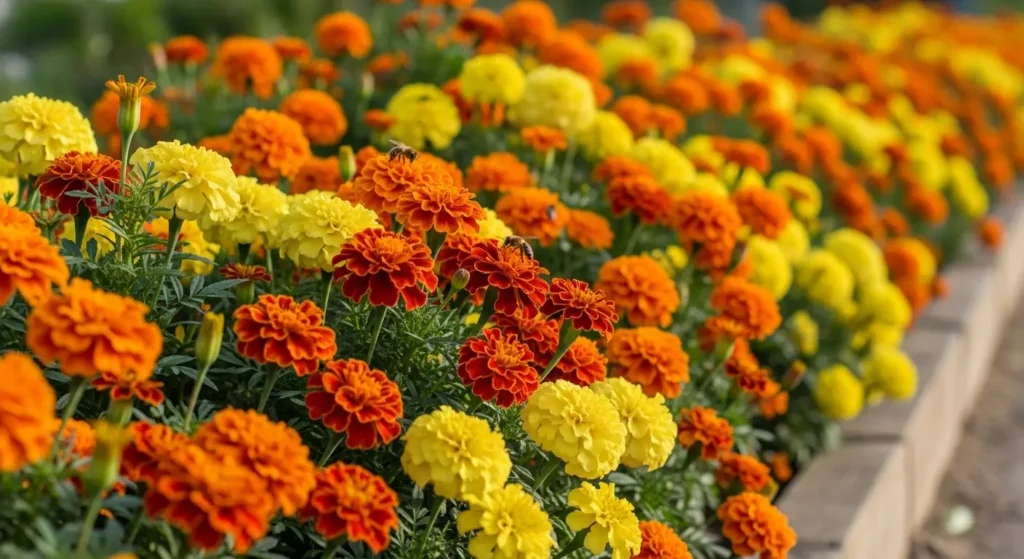
Marigolds are the most useful annual flower in any garden. They provide vivid orange and yellow color from summer through fall, attract beneficial insects that control aphids and other pests, deter certain soil pests when planted near vegetables, and produce flowers continuously from first bud until the first frost with minimal care.
Start marigold seeds indoors six to eight weeks before the last frost date or sow directly outdoors after all frost risk has passed. Deadhead regularly to maintain continuous flower production. French marigolds at 8 to 12 inches are the best choice for container edges and vegetable garden borders. African marigolds at 18 to 36 inches create more visual impact in garden borders. Both types are equally easy to grow from seed.
5. Petunias — Non-Stop Color From Spring Planting Through First Frost
✦ Petunias
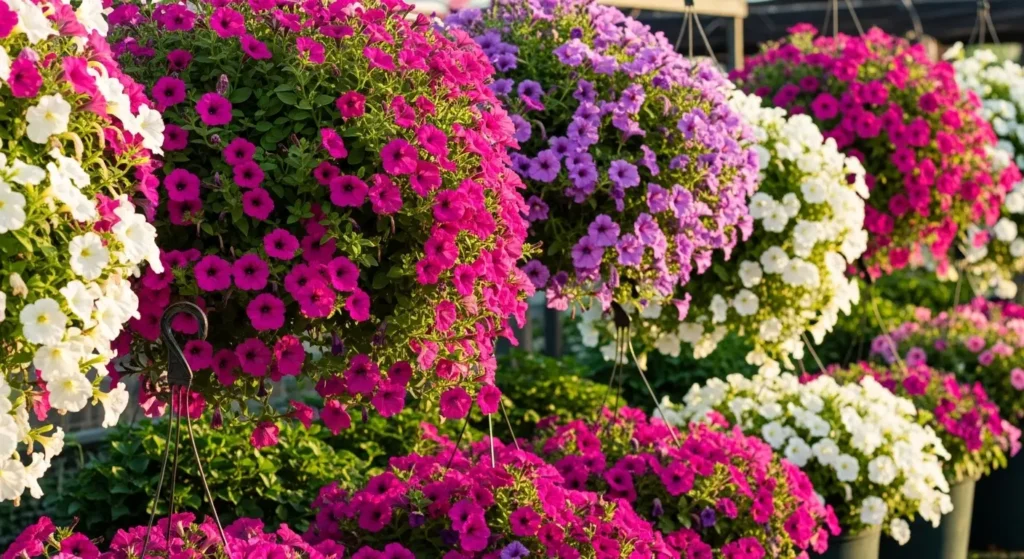
Petunias are the most popular spring-planted annual flower in America for good reason. The Supertunia and Wave series produce continuous flowers from spring planting through fall with minimal deadheading and perform equally well in hanging baskets, containers, and border edges. They are the most color-diverse of all bedding plants with varieties in virtually every color and pattern.
For how petunias and other summer annuals work in full sun container displays see our full sun planter ideas guide which covers the container combinations that produce the best summer performance.
PRO TIP: Cut petunia plants back by one third in midsummer if they become leggy and flower production slows. New growth emerges within two weeks and produces fresh flowering stems that carry the display strongly through to fall. This midseason haircut is the most effective way to extend petunia performance through the whole season.
6. Snapdragons — Tall Vertical Color That Bridges Spring and Summer
✦ Snapdragons
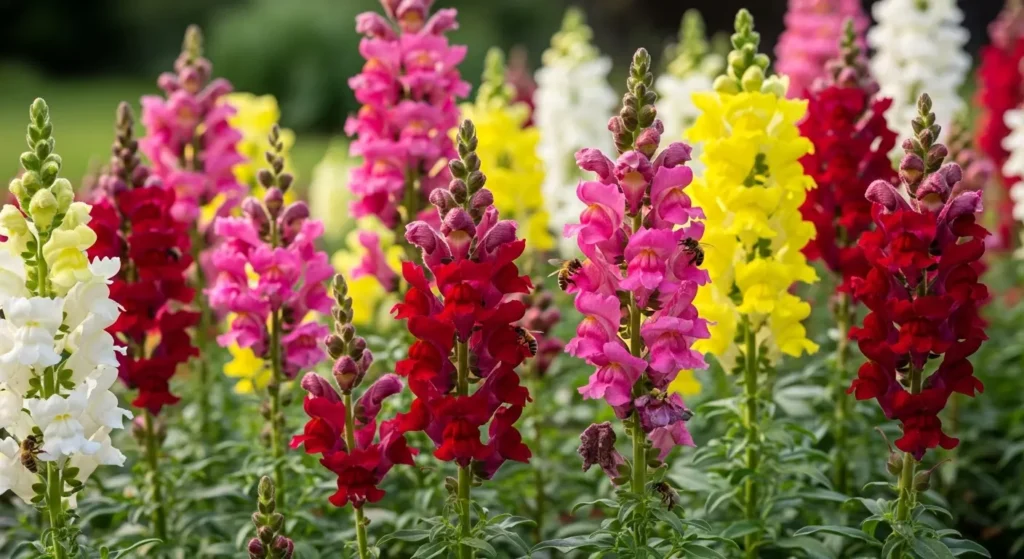
Snapdragons provide the vertical flower spike form that no other spring or early summer annual can match. Their tall stems in rich pinks, reds, yellows, oranges, and bicolors bridge the gap between spring bulbs and summer perennials and provide exceptional cut flowers. They also perform best in the cool temperatures of spring rather than the heat of summer.
Plant snapdragon transplants as early as possible in spring as they prefer cool growing conditions and tolerate light frost. In hot summer climates they often decline in midsummer heat and then recover and rebloom in fall. Deadhead by cutting spent spikes back to the next side shoot to encourage continuous production of new flowering stems. Tall varieties at 24 to 36 inches need staking in exposed positions.
7. Zinnias — The Fastest and Most Colorful Summer Annual From Spring Seed
✦ Zinnias
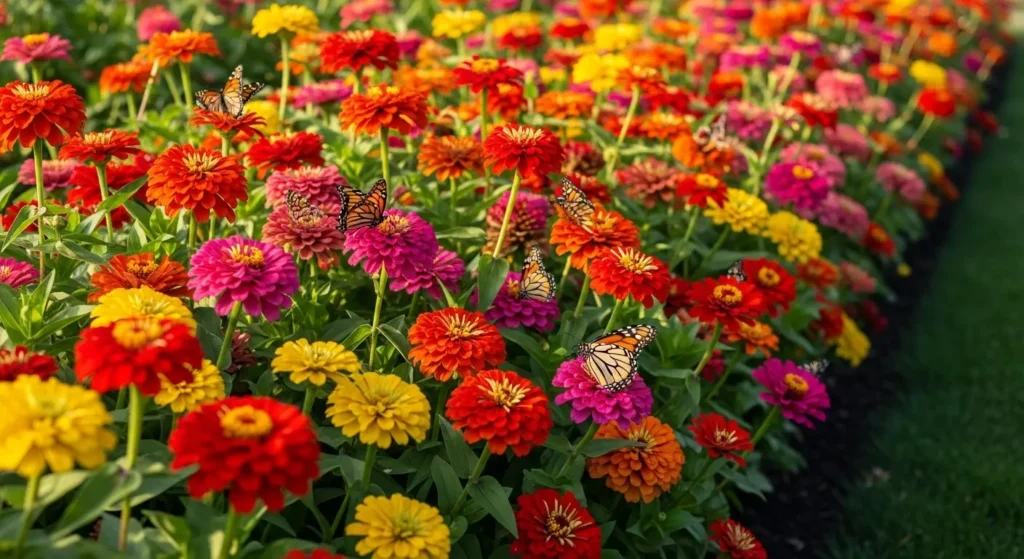
Zinnias are the best flower to plant in spring for anyone who wants results quickly. Six to eight weeks from direct sowing to first flower. That is the fastest return available from any seed-sown annual.
The large double flowers in vivid oranges, reds, and pinks attract butterflies in numbers I find genuinely startling — more species on a single zinnia plant in peak summer than on most other plants in the border combined.
PRO TIP: Sow zinnias in succession two weeks apart for three consecutive sowings in late spring and early summer. Succession sowing produces continuous fresh plants coming into peak flowering through summer rather than everything peaking simultaneously and then declining.
8. Cornflowers — The Most Beautiful True Blue Annual Available
✦ Cornflowers
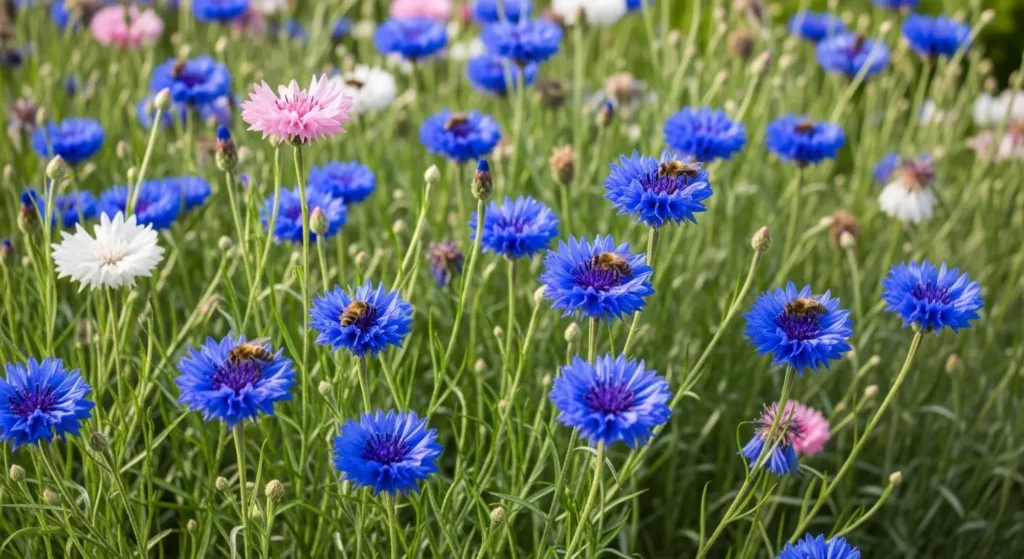
Cornflowers produce the most vivid true blue of any annual flower. The intense cobalt blue of the classic variety is completely unlike any other spring or summer flower color and creates a startling visual effect whether grown in a wildflower meadow style, a cottage border, or combined with other annuals in a cutting garden.
Sow cornflower seeds directly in the ground in early spring as they prefer cool growing conditions and tolerate light frost. They self-seed freely so a single sowing often produces plants in subsequent years without any replanting. The 5-Pack Heirloom Herb Seeds includes complementary herbs that work beautifully alongside cornflowers in a cottage-style cutting garden or mixed border. Find them linked on Amazon.
9. Alyssum — Honey-Scented White Flowers That Bloom From Spring to Frost
✦ Alyssum
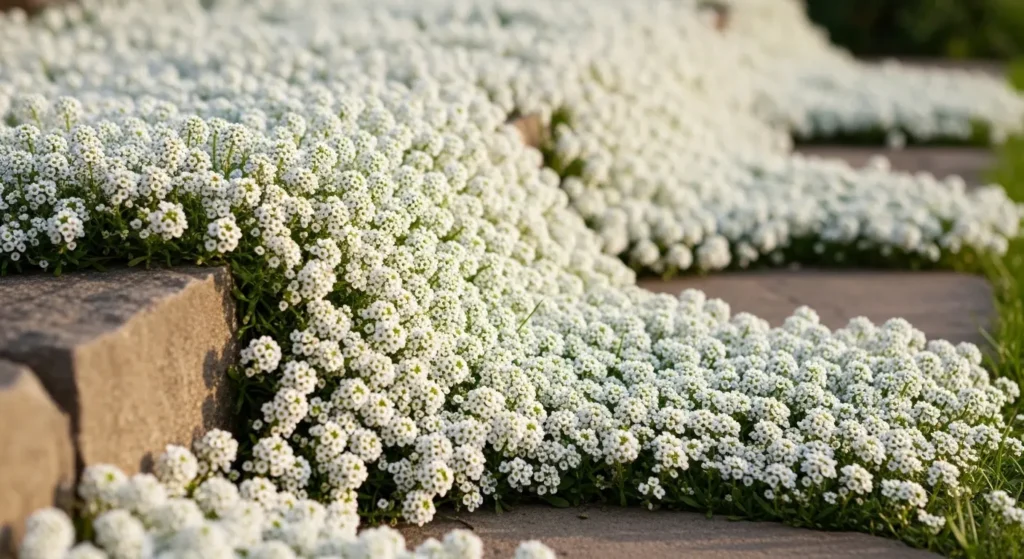
Sweet alyssum is the most underrated spring and summer annual available. The tiny white or purple honey-scented flowers bloom continuously from spring through fall, require virtually no maintenance, tolerate light drought, and fill gaps between other plants with a low carpet of color and fragrance that beneficial insects love.
Scatter alyssum seeds directly over prepared soil in early spring and rake in lightly. Germination is fast at two to three weeks and plants begin flowering within six to eight weeks of sowing. Use alyssum to fill gaps between perennials, edge borders, soften the front of container arrangements, and fill between paving stones. It self-seeds freely and often reappears in subsequent years without any replanting.
PRO TIP: Allow alyssum to self-seed by leaving a few plants to set seed at the end of the season. Self-seeded alyssum plants that emerge the following spring are often more vigorous than deliberately sown ones because they germinate at exactly the right soil temperature rather than being forced at the wrong time.
10. Calendula — The Easiest Annual to Grow From Seed With the Longest Season
✦ Calendula
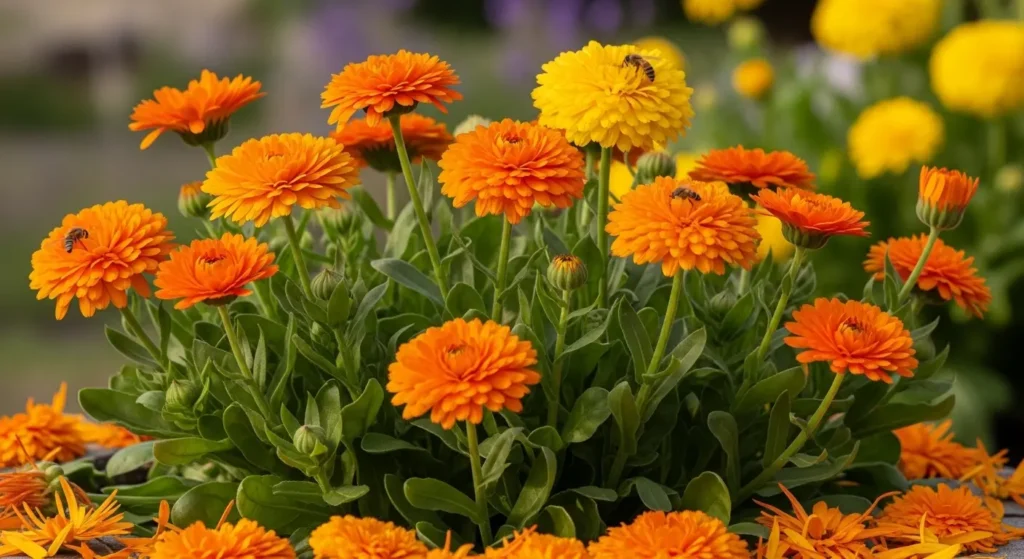
Calendula is the best flower to plant in spring for anyone who has never grown anything from seed before. Sow it directly in the ground. Cover it with a thin layer of soil. Water it. That is genuinely the complete growing instruction.
The vivid orange and yellow flowers bloom from spring through fall, the petals are edible, and the plant self-seeds so reliably that one good spring sowing often produces plants without any replanting for years afterward.
PRO TIP: Collect and save calendula seeds from your best-performing plants at the end of the season. The large distinctive seeds are easy to collect and store. Saved seeds sown the following spring produce plants that are increasingly well-adapted to your specific garden conditions over successive generations.
5 Spring Flower Planting Mistakes Worth Avoiding
These mistakes consistently reduce spring flower garden performance:
Mistake 1 — Planting tender annuals before last frost
Petunias, marigolds, and zinnias planted before the last frost date are killed or severely set back by frost. Always wait until after your area’s last frost date before planting frost-tender annuals outdoors regardless of how warm the weather seems.
Mistake 2 — Planting in too much shade
Most spring and summer flowers need full sun — at least six hours of direct sunlight daily. Flowers planted in too much shade produce weak stems, fewer flowers, and are more susceptible to disease. Always check light requirements before choosing a planting position.
Mistake 3 — Underplanting containers
Three plants in a large container look sparse and unconfident. Containers should be planted generously with plants touching or nearly touching at planting time. Dense planting creates the lush abundant display that makes spring and summer containers so impressive.
Mistake 4 — Not hardening off transplants
Transplants grown indoors or in a greenhouse need a hardening off period of seven to ten days before going permanently outdoors. Place them outside in a sheltered position for increasing periods each day to acclimatize to outdoor conditions. Transplanting without hardening off causes wilting and setback.
Mistake 5 — Forgetting to feed
Container plants and actively flowering border plants need regular feeding throughout the season. Unfed plants decline in flower production by midsummer and never recover their early season performance. Feed weekly in containers and monthly in borders from spring planting through late summer.
📌 More garden ideas → 12 Boho Garden Ideas You’ll Love
Frequently Asked Questions
What flowers are easiest to grow in spring?
The easiest spring flowers to grow for beginners are pansies and violas for immediate color from transplants, calendula and alyssum for direct sowing directly in the ground, and marigolds for sowing indoors or outdoors after frost risk passes. All four require minimal skill, tolerate mistakes, and produce reliable results even in difficult garden conditions. According to the National Gardening Association marigolds and zinnias are consistently ranked among the top five easiest annual flowers to grow from seed for first-time gardeners.
When should I start planting flowers in spring?
Hardy flowers that tolerate frost, pansies, snapdragons, sweet peas, alyssum, cornflowers, and calendula — can be planted from late winter through early spring as soon as soil is workable. Tender flowers — petunias, marigolds, and zinnias — must wait until after the last frost date for your specific location.
What spring flowers come back every year?
Tulips return annually and improve over several years before needing replacement. Calendula, alyssum, and cornflowers self-seed so prolifically that they effectively behave as perennials in most gardens even though they are technically annuals.
What flowers can I plant in spring for summer color?
Petunias, marigolds, zinnias, and snapdragons are all planted in spring after the last frost date and begin flowering in early to midsummer, continuing through to the first fall frost. Zinnias are the fastest from seed to first flower at six to eight weeks.
More Garden Ideas You Will Love
→ 12 Lovely Front Yard Garden Ideas
→ 25 Simple But Stunning Garden Lighting Ideas
→ 12 Tiny Front Garden Ideas on a Budget 🌿
The zinnias I have not sown yet from the opening of this article — they went in on the Saturday after I wrote this list. Six to eight weeks to first flower.
That is the honest timeline for the best flowers to plant in spring. Not months of preparation. Not specialist knowledge. A Saturday afternoon and some seed packets. The summer garden builds from there.
Start with two or three from this list this weekend. The ones you do not plant this spring wait another full year.

Sheikh Hassaan is a digital architect for small businesses and the founder of The Glow Up System. He writes about home decor, garden design, and outdoor living for real American homes – practical ideas that work in actual spaces without oversized budgets.